


Sustainable Copper Refining: How Advanced Technology is Driving Industry Revival
POLICY WIRE — London, UK — The global sector for refining copper is undergoing a profound transformation, with state-of-the-art technological advancements poised to revitalize its operations and...

POLICY WIRE — London, UK — The global sector for refining copper is undergoing a profound transformation, with state-of-the-art technological advancements poised to revitalize its operations and resolve enduring operational and environmental issues.
Historically, conventional methods for extracting and purifying copper have often attracted criticism due to their ecological footprint and high energy demands. However, recent innovations are now paving the way for significantly more efficient, environmentally responsible, and economically viable production processes.
The Imperative for Innovation in Copper Production
The escalating worldwide demand for copper, fueled by burgeoning sectors such as renewable energy, electric vehicle manufacturing, and sophisticated electronics, highlights an urgent necessity for sustainable production methodologies. Current smelting operations, though effective in their primary function, are notable contributors to greenhouse gas emissions and the generation of considerable waste products.
This dual pressure from evolving environmental regulations and market expectations is compelling the industry to channel substantial investments into research and development. The overarching objective is to forge cleaner, more circular economy-aligned techniques that simultaneously minimize ecological impact and maximize resource recovery.
Pioneering Technological Advances
Several groundbreaking technological strides are leading this industrial resurgence. Hydrometallurgy, a process that employs aqueous solutions to extract and recover metals from various ores, is increasingly being adopted for its comparatively lower energy requirements and reduced emissions when contrasted with traditional pyrometallurgy.
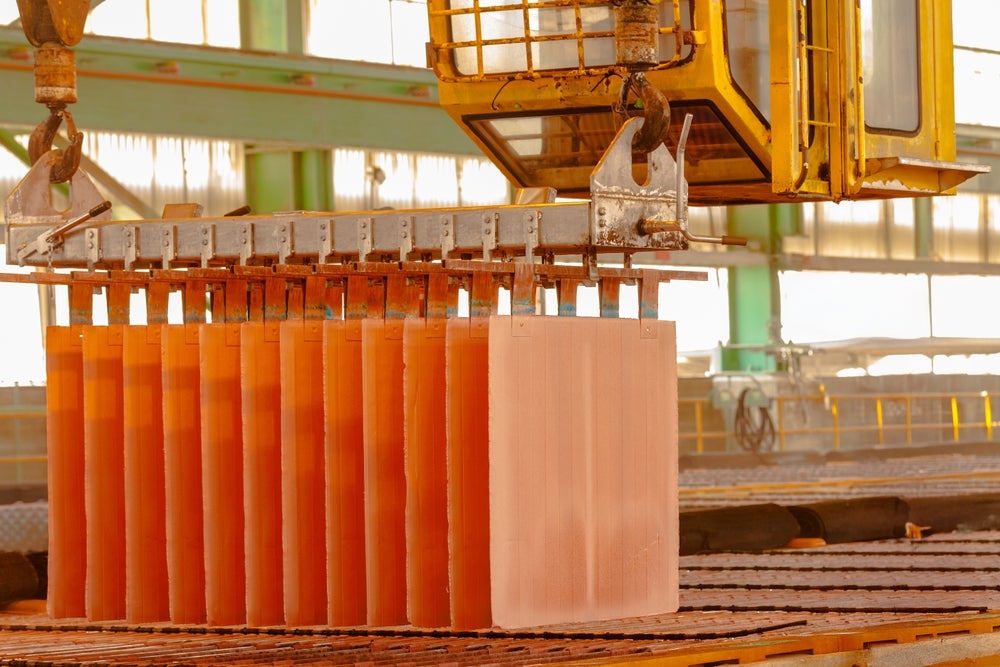
Moreover, breakthroughs in bioleaching, which harnesses microorganisms to dissolve metals from lower-grade ore deposits, present a promising avenue for utilizing resources that were previously deemed economically unviable. Advanced electrowinning and electrorefining protocols are also undergoing continuous refinement to boost both purity levels and energy efficiency during the final stages of metal production.
The embrace of these sophisticated processes extends beyond established industry giants, signaling a broader trend of industrial modernization. Strategic trade and technology partnerships are becoming crucial mechanisms for the global dissemination and adoption of these cutting-edge innovations.
“The future viability of copper refining fundamentally rests on our capacity to integrate intelligent technologies that not only optimize output but also drastically mitigate our environmental footprint,” observed a prominent industry analyst. “Ultimately, it’s about guaranteeing a sustainable supply chain for essential raw materials.”
📖 THE POLICY DIGEST MAGAZINE: OCTOBER 2026 EDITION NOW LIVEExclusive Battle Damage Assessment by Sarah Adams, US-Iran Diplomatic Talks & Transnational Investigations👉 READ BY CLICKING HERE
Market Implications and Future Outlook
The integration of advanced technologies promises to cultivate a more resilient and environmentally sound copper supply chain, which is indispensable for supporting the global transition toward a green economy. Improved efficiency can translate into reduced operational expenditures, thereby enhancing the competitiveness of domestic production and lessening reliance on fluctuating international markets.
This technological paradigm shift is anticipated to reshape the landscape of metal production, ushering in a new era characterized by innovation and responsible resource management. As these novel methods gain wider acceptance, they will be instrumental in fulfilling the escalating demand for high-purity copper while adhering to more stringent environmental standards. This is particularly relevant as nations like India grapple with substantial infrastructure investments, where copper is a foundational material.
Challenges and Opportunities
Despite their immense potential, the wholesale adoption of these new refining technologies faces inherent challenges, including the necessity for significant capital investment and the development of a highly skilled workforce. Nevertheless, the long-term advantages in terms of environmental stewardship and economic sustainability present a compelling case for their implementation.
Companies that proactively embrace these innovations are positioned to secure a competitive edge within a market increasingly valuing sustainable practices and resource efficiency. This industrial revival transcends merely refining copper; it signifies a comprehensive redefinition of the entire production process for a more sustainable global future.