

Resumption of U.S Iran Nuclear Talks: A Path Toward Diplomatic Resolution and Regional Stability
In April 2025, a significant diplomatic development unfolded as the United States and Iran engaged in nuclear negotiations in Muscat, Oman. These talks, mediated by Oman, marked the first direct...

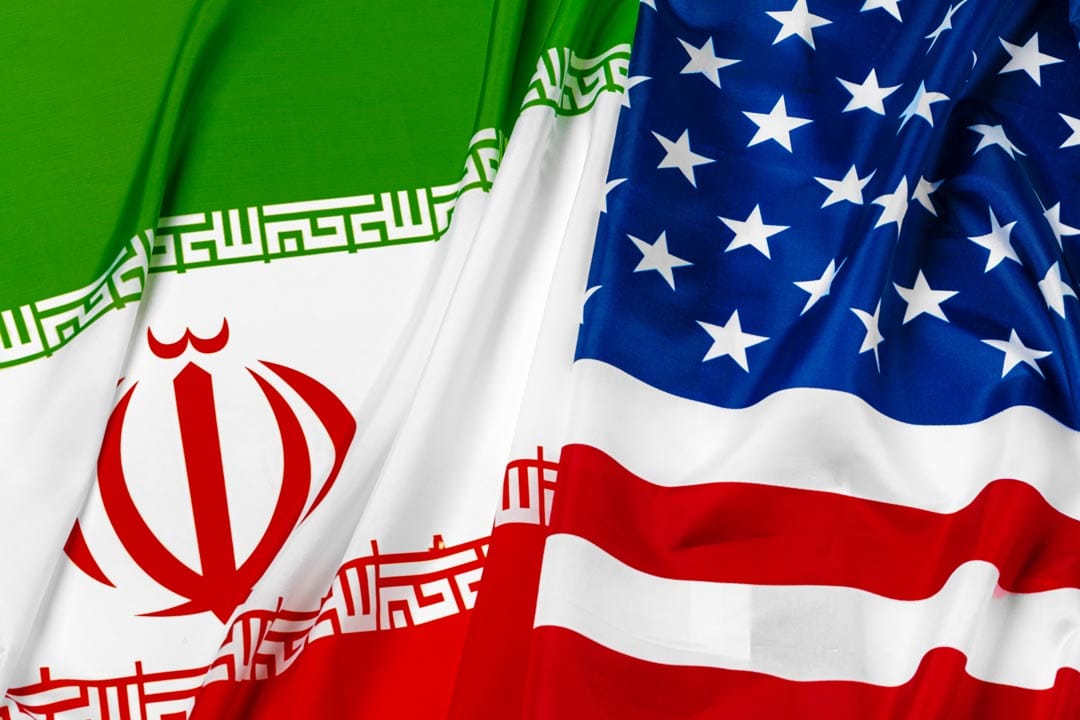
In April 2025, a significant diplomatic development unfolded as the United States and Iran engaged in nuclear negotiations in Muscat, Oman. These talks, mediated by Oman, marked the first direct engagement between the two nations since President Donald Trump’s return to office. Both parties described the discussions as “positive” and “constructive,” signaling a potential shift toward diplomacy after years of escalating tensions over Iran’s nuclear program.
The Joint Comprehensive Plan of Action (JCPOA), established in 2015, was a landmark agreement that placed significant restrictions on Iran’s nuclear program in exchange for sanctions relief. In 2018, the United States withdrew from the agreement under President Trump’s administration, aiming to address concerns about Iran’s nuclear ambitions and regional activities. The resumption of talks in Oman signifies a mutual recognition of the need to address the nuclear issue and its broader implications.
Iran’s economy has been under considerable strain due to prolonged sanctions, mismanagement, and regional conflicts. The nation faces high inflation, a depreciating currency, and rising unemployment. These economic challenges have likely incentivized Iran to return to the negotiating table, seeking relief from sanctions that have impeded its economic growth. The Wall Street Journal reports that Iran’s economic difficulties are a driving force behind its willingness to engage in nuclear negotiations.
Oman has historically served as a neutral ground for U.S.-Iranian discussions, leveraging its diplomatic ties to facilitate dialogue. The Omani government’s role in mediating the current talks underscores its commitment to regional stability and its unique position to bridge gaps between conflicting parties. Both the U.S. and Iran have praised Oman’s facilitation, highlighting the country’s effectiveness in fostering a “constructive atmosphere” for negotiations.
The international community has largely welcomed the resumption of talks. The United Nations Secretary-General, Ban Ki-moon, praised the initiative, stating that a comprehensive, negotiated solution to the Iranian nuclear issue would contribute to peace and stability in the region. Similarly, the International Atomic Energy Agency (IAEA) expressed readiness to support the implementation of any agreement, emphasizing the Importance of rigorous monitoring and verification mechanisms.
Despite the positive atmosphere, deep-seated mistrust persists between the U.S. and Iran, Iran’s reluctance to engage in direct talks under the shadow of ongoing sanctions highlights the complexities involved. The U.S. administration’s demands for Iran to dismantle its nuclear infrastructure contrast with Iran’s insistence on maintaining a peaceful nuclear program. Addressing these fundamental differences will be crucial for the success of the negotiations.
The successful negotiation of a new nuclear agreement could have far-reaching implications for the Middle East. It may pave the way for reduced tensions, encourage economic development, and foster a more cooperative regional environment. Such an agreement could serve as a foundation for broader peace initiatives, contributing to global stability and development
The resumption of US-Iran nuclear talks in Oman marks a pivotal moment in international diplomacy. It reflects a collective yearning for peace, prosperity, and development, acknowledging the intricate web of economic, political, and security. challenges that define the modern international system. While significant hurdles remain, the commitment to dialogue and negotiation offers a beacon of hope for a more stable and cooperative global future.
Following the initial talks in Oman, a second round of negotiations is scheduled to take place in Rome. Both parties have expressed a commitment to continue discussions, aiming to build on the progress made in Muscat. The continuation of these talks. underscores the importance both nations place on resolving the nuclear issue through diplomatic means. The economic situation within Iran remains a significant factor influencing the negotiations. The country’s leadership is acutely aware of the domestic pressures resulting from economic hardships. These internal challenges provide a strong Incentive for Iran to seek sanctions relief and stabilize its economy. The Wall Street Journal highlights that Iran’s economic difficulties are a driving force behind its willingness to engage in nuclear negotiations.
📄 POLICY WIRE WHITEPAPER PUBLISHED: PAKISTAN'S NATIONAL SECURITY POLICY PRIORITIES
👉 READ BY CLICKING HERERegional dynamics also play a crucial role in the negotiations. The Middle East has been a hotspot for geopolitical tensions, and any agreement between the U.S. and Iran could have significant implications for regional stability. Both nations are aware of the broader impact their negotiations could have on their relationships with neighboring countries and on the overall security landscape of the region.
The role of international partners and allies is another important consideration. Countries such as Russia and China have vested interests in the outcome of the negotiations and have historically played roles in mediating discussions. Their involvement, along with that of European nations, adds layers of complexity but also offers opportunities for a more comprehensive and lasting agreement.
Public opinion within both the U.S. and Iran also influences the negotiation process. Leaders must consider domestic sentiments and political pressures when engaging in international diplomacy. In both countries, there are factions that support a hardline approach and others that advocate for engagement and compromise. Navigating these internal dynamics is essential for the success of the talks.
Looking ahead, the potential for a comprehensive nuclear agreement offers a pathway to address not only the nuclear issue but also other contentious aspects of U.S.-Iran relations. Such an agreement could lead to a redefinition of bilateral relations, with possibilities for increased trade, cultural exchanges, and cooperation on regional security matters.
In conclusion, the U.S.-Iran nuclear negotiations in Oman represent a critical juncture in international diplomacy. The path forward is fraught with challenges, but the willingness of both nations to engage in dialogue offers hope for a peaceful and prosperous future.
The international community watches closely, hopeful that these talks will lead to a stable and secure Middle East.
Author