
War in the Gulf and the Path of Diplomacy
The ongoing war involving Iran, the United States, and Israel has rapidly evolved from a regional confrontation into a crisis with global consequences. In just a matter of weeks, the conflict has...

The ongoing war involving Iran, the United States, and Israel has rapidly evolved from a regional confrontation into a crisis with global consequences. In just a matter of weeks, the conflict has shaken energy markets, displaced millions of civilians, and raised fears of a wider Middle Eastern war. Yet amid the escalating military exchanges, another crucial dimension is unfolding, the fragile but essential effort to keep diplomatic channels open.
The conflict began when the United States and Israel launched strikes on Tehran on February 28, an operation that reportedly killed Iran’s long-time Supreme Leader Ayatollah Ali Khamenei. Iran responded with retaliatory drone and missile attacks targeting U.S. bases and assets across the Gulf. Several American installations have reportedly been damaged, and tensions across the region remain dangerously high.
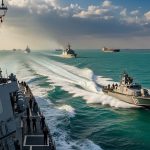
Mojtaba Khamenei, the son of the late supreme leader, has reportedly assumed the position and issued a message promising continued resistance against U.S. and Israeli actions. The message also reaffirmed Iran’s strategy of exerting pressure and closing the strategic Strait of Hormuz, a narrow but vital maritime corridor through which nearly one-fifth of the world’s oil supply typically passes. Oil prices have gone above $100 per barrel, demonstrating how quickly a regional war can reverberate through the global economy.
Beyond the geopolitical implications lies an immense humanitarian crisis. Millions of Iranians have reportedly been displaced after the strokes by Israel, while hundreds of thousands of civilians in Lebanon have fled their homes amid Israel attacks on Hezbollah. Civilian casualties continue to mount, including a controversial missile strike on an Iranian girls’ school that reportedly killed more than 100 people and is now under investigation. Such tragedies highlight the devastating human cost of modern warfare, where civilians often bear the brunt of strategic decisions made far from the battlefield.
Despite the ongoing hostilities, Iran’s President Masoud Pezeshkian has indicated that Tehran remains open to a negotiated settlement. In communications with international leaders, including those from Russia and Pakistan, Pezeshkian argued that the conflict could only end if Iran’s “legitimate rights” were recognised, reparations were paid for damages, and international guarantees were provided to prevent future aggression. While these demands are side-lined by the western government, they reflect Iran’s solid attempt to frame the conflict in terms of sovereignty and international law.
Amid these tensions, Pakistan has positioned itself as a diplomatic intermediary seeking to reduce regional escalation. Speaking during a weekly press briefing in Islamabad, Pakistan’s Foreign Office spokesperson Tahir Andrabi stated that Pakistan was acting as a “bridge builder” in the ongoing crisis.
“As regards the communication that we may have between Iran, Saudi Arabia and other Gulf countries , yes, we have had an open channel of communication,” Andrabi said. “We are playing the role of a bridge builder. Our principal position on issues regarding sovereignty, international law and the UN Charter, and on dialogue and diplomacy, is respected in all regional capitals.”
According to the Foreign Office, Pakistani leaders, including Prime Minister Shehbaz Sharif and Deputy Prime Minister and Foreign Minister Ishaq Dar, have been engaged in multiple diplomatic exchanges with regional and global actors. Islamabad has maintained communication with Tehran, Washington, and Gulf capitals, attempting to encourage dialogue and de-escalation. Pakistan’s role reflects both necessity and strategy. The country maintains longstanding ties with Iran while also sustaining partnerships with the United States and key Gulf states.
📄 POLICY WIRE WHITEPAPER PUBLISHED: PAKISTAN'S NATIONAL SECURITY POLICY PRIORITIES
👉 READ BY CLICKING HEREIn addition to its regional diplomatic outreach, Pakistan has also raised concerns at the international level regarding the dangers of escalating military actions against Iran. Speaking at a United Nations Security Council briefing, Pakistan’s Permanent Representative to the UN, Asim Iftikhar Ahmad warned about the potential consequences of strikes on Iranian nuclear facilities. He stated that attacks on sites under the safeguards of the International Atomic Energy Agency carry serious environmental and safety risks not only for Iran but for the broader region. Ahmad emphasized that Pakistan condemns the use of force, the targeting of civilian infrastructure, and any attacks on nuclear installations, stressing that diplomacy and dialogue must remain the guiding principles for resolving the Iranian nuclear issue. His remarks reinforced Islamabad’s broader stance that the crisis should be addressed through negotiations rather than military escalation.
More broadly, Pakistan’s diplomatic outreach underscores an important reality: modern conflicts rarely remain confined within national borders. The current war has already spread beyond Iran’s territory, with strikes reported in Iraq, Lebanon, and across several Gulf states. Each new front increases the risk of miscalculation and wider regional instability.
History offers sobering reminders of how quickly such conflicts can spiral out of control. From Iraq to Syria, wars in the Middle East have often evolved into prolonged, multi-actor crises involving regional and global powers. Without sustained diplomatic intervention, the current confrontation risks following a similar pattern.
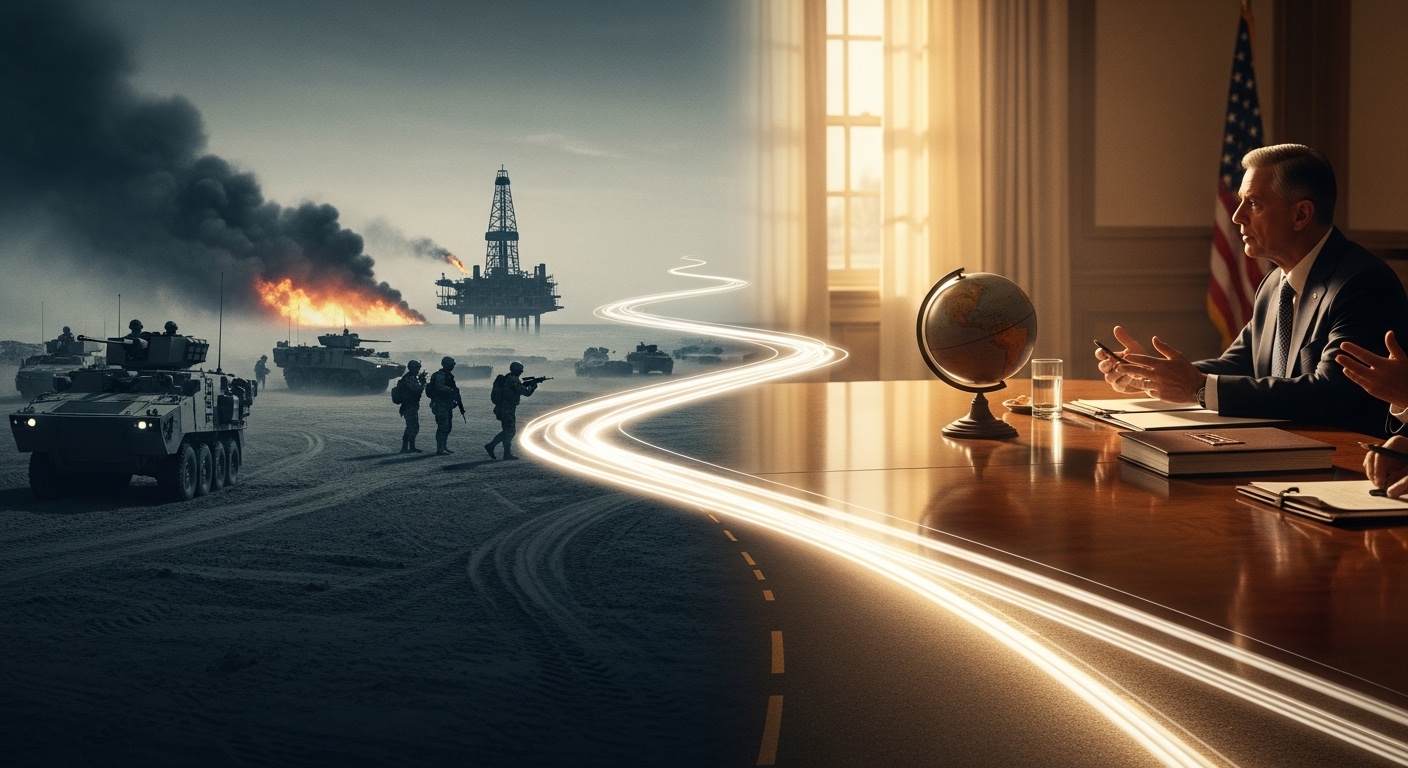
The international community therefore faces a difficult but urgent task. Military escalation may offer short-term strategic gains, but it inevitably deepens humanitarian suffering and economic instability. Diplomacy, though slower and politically complex, remains the only realistic path toward lasting peace.
For countries like Pakistan, this moment reflects their international standing. Acting as mediators, Pakistan helps bridge divides that larger powers struggle to do so. History has shown that wars rarely end on battlefields alone. They end at negotiating tables.
Author

📖 GET YOUR FREE COPY NOW OF POLICY WIRE DIGITAL MAGAZINE JULY 2026 EDITION
👉 READ & DOWNLOAD FREE MAGAZINE