


Birmingham’s Sanitation Crisis: A City Struggles Amidst Labor Dispute and Financial Turmoil
Birmingham, the United Kingdom’s second-largest city, is currently in the grip of a major sanitation crisis. Since March 11, 2025, the city has witnessed a growing mountain of waste across its...

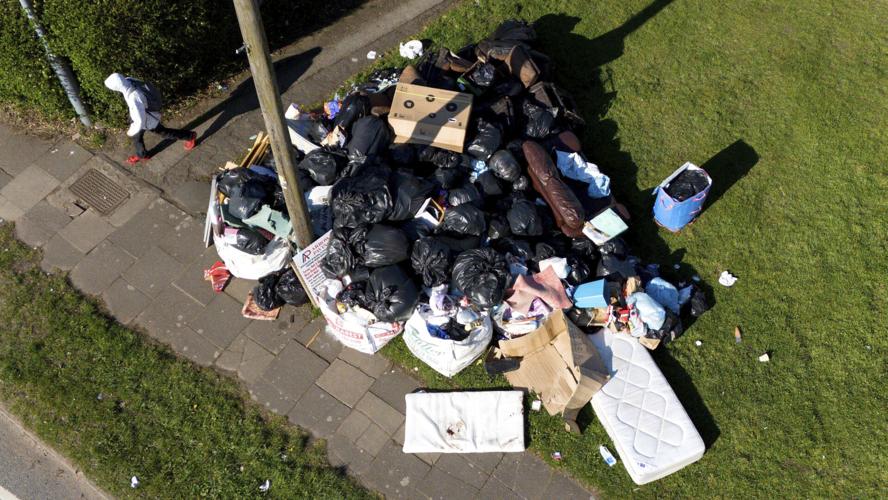
Birmingham, the United Kingdom’s second-largest city, is currently in the grip of a major sanitation crisis. Since March 11, 2025, the city has witnessed a growing mountain of waste across its neighborhoods, with over 22,000 tonnes of rubbish left uncollected due to an ongoing strike by refuse workers. The dispute, rooted in financial austerity and labor disagreements, has exposed critical weaknesses in municipal governance and triggered alarm among public health experts.
What Sparked the Strike Birmingham’s Sanitation Crisis?
The heart of the dispute lies in Birmingham City Council’s decision to eliminate the Waste and Recycling Collection Officer (WRCO) role, a post created in 2017 as part of a settlement to end a previous bin strike. That earlier conflict had cost the city millions and led to widespread criticism over its handling of labor relations. The WRCO role was meant to give bin workers a clearer path to promotion and resolve pay disparities.
Fast forward to 2025, the council argues that the continuation of the WRCO post is no longer financially sustainable. Birmingham officially declared bankruptcy in 2023 after being forced to pay out £760 million in historic equal pay claims, many stemming from years of underpayment of women compared to male-dominated roles in waste collection, maintenance, and transport.
Council leaders say the WRCO role, which is not used in any other local authority in the UK, exposes the city to fresh equal pay liabilities. According to council figures, just 17 workers are significantly affected by the role’s removal, with offers of redeployment or voluntary redundancy extended. However, the workers’ union, Unite, contests these claims, arguing that between 150 and 170 employees stand to lose up to £8,000 per year if the role is scrapped.
Overflowing Bins, Public Anger
As negotiations stalled, the effects became impossible to ignore. Piles of waste now dot the city, from affluent Edgbaston to densely populated areas like Small Heath and Handsworth. The stench of rotting food waste lingers in the spring air, and residents have reported a spike in sightings of rats, foxes, and seagulls scavenging open bin bags.
The city council officially declared a “major incident” on March 31, a rare designation typically used for emergencies like floods or fires. Temporary crews were deployed to tackle the worst-hit zones, but limited staffing meant many households went without a single collection for weeks. In some neighborhoods, frustrated residents have resorted to burning their rubbish, risking toxic fumes and fire hazards.
Dr. Samantha Allen, a public health consultant based in Birmingham, warned in an interview with the BBC, “When waste is left to accumulate like this, we’re not just dealing with an eyesore. We’re facing real risks of gastrointestinal infections, respiratory problems, and pest-borne diseases, particularly among children and the elderly.”
Political Pressure Mounts
The Labour-run Birmingham City Council, already under pressure for its financial mismanagement, now faces a wave of public criticism for failing to prevent the crisis. The situation has also reignited national debates about how local governments are funded and the long-term consequences of austerity policies.
Deputy Prime Minister Angela Rayner, speaking from Westminster, said she was “deeply concerned” about the public health impact and called on all parties to “return to the table in good faith.” The Conservative opposition has used the crisis to argue for stronger oversight of council finances, while local advocacy groups have accused both national and local officials of neglecting working-class communities.
Meanwhile, Unite’s General Secretary Sharon Graham has defended the strike. “This isn’t just about one job title,” she said in a statement. “It’s about protecting hard-fought gains for low-paid workers who have seen their conditions eroded year after year. If Birmingham can ignore its commitments, so can any council.”
Negotiations Go Nowhere
In early April, the council offered a revised deal, including one-off compensation payments and transition support. However, Unite members overwhelmingly rejected the proposal, insisting on the reinstatement of the WRCO role. The union has accused the council of using the bankruptcy as an excuse to dismantle previously agreed-upon labor protections.
📄 POLICY WIRE WHITEPAPER PUBLISHED: PAKISTAN'S NATIONAL SECURITY POLICY PRIORITIES
👉 READ BY CLICKING HEREAdding fuel to the fire, leaked documents reported by The Guardian suggested that the council had spent £1.5 million on private contractors during the first three weeks of the strike—money Unite argues could have gone toward a negotiated settlement. The council countered that such measures were necessary to prevent a full-blown public health emergency.
Wider Implications Across the UK
The Birmingham crisis is not unfolding in isolation. Across the UK, local councils are struggling to balance their books, particularly after the COVID-19 pandemic and a decade of budget tightening. In Manchester, Nottingham, and even London boroughs, similar labor disputes have emerged over staffing cuts and pay revisions.
Unite has warned that unless the Birmingham situation is resolved fairly, it could inspire a wave of similar strikes nationwide. “We’re sending a message,” Graham said. “Workers won’t quietly accept being the first to pay for financial mismanagement they didn’t cause.”
Citizens Caught in the Middle
As politicians trade blame and unions stand firm, ordinary Brummies continue to suffer the consequences. Local schools have reported an increase in absences due to illness, while small businesses, especially restaurants and cafés, say the uncollected waste has driven customers away.
“I can’t keep my front door open anymore because of the smell,” said Maria Hussain, a shopkeeper in Sparkbrook. “I pay my taxes. I expect basic services like waste collection. This is not a third-world country.”
Community groups and volunteers have stepped in where possible, organizing clean-up drives and donating sanitizers and face masks to the most affected neighborhoods. But such efforts are no substitute for a functioning waste management system.
A City at a Crossroads
Birmingham’s bin strike has become a case study in the dangers of delayed reform, underinvestment in local government, and short-term crisis management. The situation calls for structural changes: sustainable funding models, fair labor negotiations, and robust public health safeguards.
Until a resolution is reached, the crisis continues to weigh on Birmingham’s reputation and residents’ well-being. As the city prepares to host several international events later this year, including the European Urban Sustainability Summit, the irony is not lost on many.
For now, the people of Birmingham wait: for cleaner streets, restored services, and a city administration that prioritizes their basic dignity.
Author