


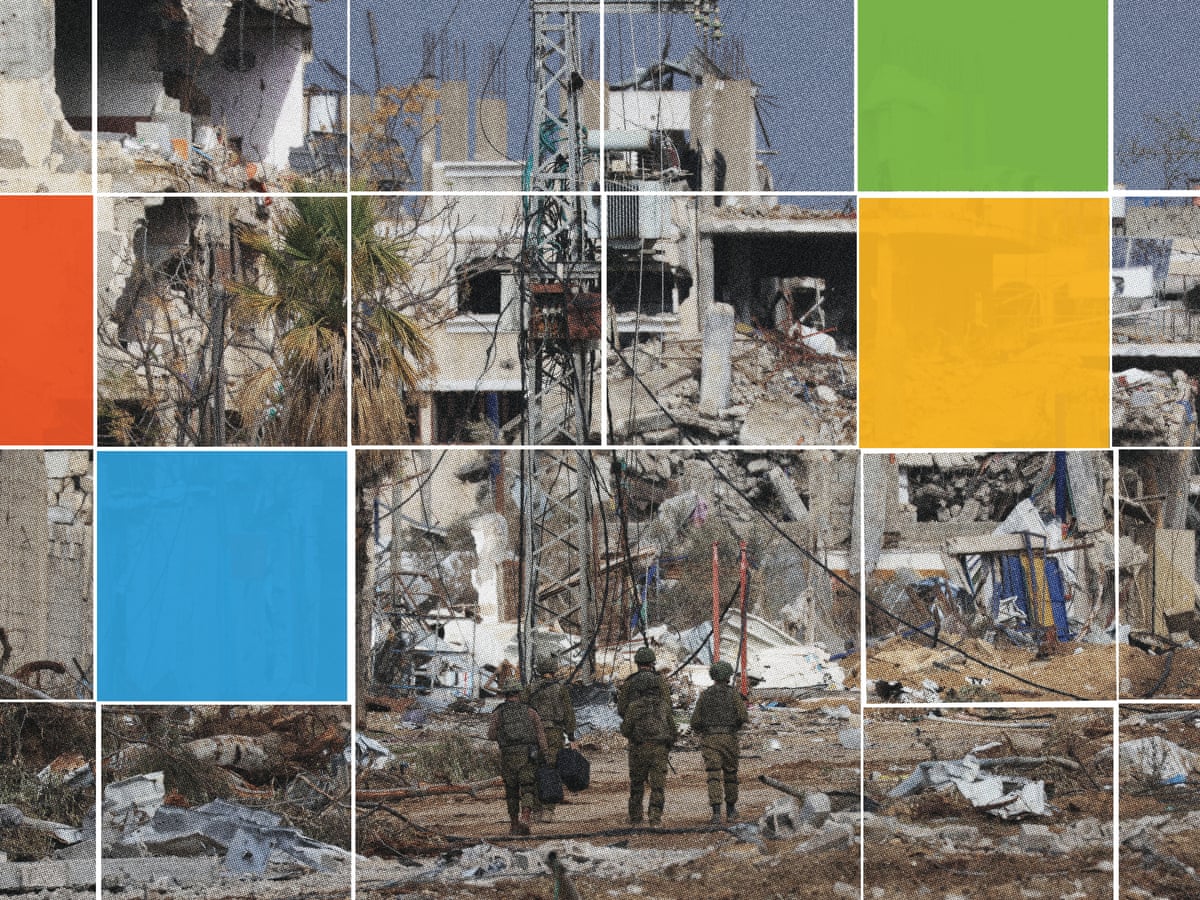
Microsoft’s Role in the Gaza Conflict: A Tech Giant’s Controversial Partnership
In recent months, Microsoft has faced growing criticism for its involvement in the ongoing conflict in Gaza. The tech giant, widely known for its software and cloud services, has been linked to the...

In recent months, Microsoft has faced growing criticism for its involvement in the ongoing conflict in Gaza. The tech giant, widely known for its software and cloud services, has been linked to the Israeli military’s operations, particularly through its Artificial Intelligence (AI) and cloud technologies. These technologies are reportedly being used to support military actions in Gaza, raising serious ethical questions about the role of technology in modern warfare. As the situation in Gaza worsens, the question arises, should companies like Microsoft be involved in military operations that contribute to civilian suffering?
Microsoft’s involvement with the Israeli military is not a new development, but it has attracted more attention amid the ongoing conflict in Gaza. The Israel Defense Forces (IDF) have been using Microsoft’s cloud services, particularly Azure, to support both administrative functions and military operations. The use of AI tools such as “Habsora” and “Lavender” has been crucial in processing surveillance data and identifying potential bombing targets. These AI systems enable the rapid analysis of large datasets, making it easier for the military to select targets more quickly. While this efficiency might sound beneficial, it raises concerns about how these tools are being used and whether they contribute to the killing of innocent civilians in Gaza.
Critics argue that by providing these technologies to the Israeli military, Microsoft is indirectly helping to escalate the violence in Gaza. The AI tools used by the IDF automate the targeting process, meaning decisions to bomb a building or individual are made more efficiently but with less human judgment. The fear is that these tools could be used indiscriminately, leading to increased civilian casualties, particularly in densely populated areas like Gaza. Many believe that the involvement of tech companies in military operations removes the human element from warfare, making it easier for governments to justify actions that harm innocent people.
Microsoft’s role in the Gaza conflict has not gone unnoticed within the company. In April 2025, two employees, Ibtihal Aboussad and Vaniya Agrawal, interrupted high-profile presentations during the company’s 50th-anniversary celebration to protest the company’s contracts with the Israeli military. They criticized Microsoft for aiding the violence in Gaza by providing AI technologies to the Israeli military. Aboussad declared, “You claim that you care about using AI for good, but Microsoft sells AI weapons to the Israeli military.”
In response to their protests, both employees were fired. Microsoft justified the decision by arguing that their actions disrupted business operations. However, many people viewed these dismissals as an attempt to silence dissent within the company. The protests highlighted the growing concern among tech workers about the ethical implications of their companies’ involvement in military conflicts. This pushback from Microsoft shows that not all employees are comfortable with their work contributing to the violence in Gaza and other conflict zones.
The protests within Microsoft are part of a larger global movement aimed at holding companies accountable for their role in conflicts. The Boycott, Divestment, and Sanctions (BDS) movement, which advocates for Palestinian rights, has added Microsoft to its list of companies to boycott. The BDS movement argues that by providing AI and cloud services to the Israeli military, Microsoft is helping maintain Israel’s military occupation of Palestinian territories, including Gaza. As the boycott campaign grows, it calls on people worldwide to stop supporting companies that profit from the suffering of Palestinians.
The boycott of Microsoft has gained traction, with individuals refusing to buy Microsoft products, including Xbox consoles and software, as a way to protest the company’s role in the conflict. The BDS movement argues that companies like Microsoft should not be allowed to profit from war, especially when their technologies are used to harm civilians. For many, boycotting Microsoft is an act of solidarity with Palestinians and a call for corporate accountability.
One of the most significant concerns about Microsoft’s involvement in the Gaza conflict is the use of AI in military operations. While AI has many positive applications in fields like healthcare and education, its use in warfare is highly controversial. In Gaza, AI systems are used to automate the process of targeting individuals and buildings for bombing. This means that decisions about who or what should be attacked are made by machines, rather than human soldiers. The worry is that while AI may make warfare more efficient, it also detaches decisions from human emotion and judgment, making it easier for military leaders to justify attacks that cause civilian casualties.
📄 POLICY WIRE WHITEPAPER PUBLISHED: PAKISTAN'S NATIONAL SECURITY POLICY PRIORITIES
👉 READ BY CLICKING HEREThe use of AI in military operations also raises important questions about accountability. If a bomb hits the wrong target or causes civilian harm, who is responsible? With AI systems making the decisions, it becomes difficult to pinpoint who is ultimately accountable for mistakes. This lack of accountability is especially concerning in conflict zones like Gaza, where the risk to innocent civilians is already high.
Microsoft’s involvement in the Gaza conflict is part of a larger trend of tech companies becoming more involved in military operations. While Microsoft may argue that it is simply providing technology to governments, the fact remains that its products are being used to escalate violence and contribute to the suffering of innocent civilians. The protests within Microsoft and the growing boycott movement reflect a growing awareness of the ethical implications of corporate involvement in warfare.
It’s time for companies like Microsoft to reconsider their role in military conflicts and take responsibility for the consequences of their actions. Providing AI technologies to the Israeli military is not just a business transaction, it’s a choice. Microsoft is choosing to support one side in a brutal conflict that has already claimed the lives of thousands of innocent people. The technology being developed today can be used for good, but it can also be used for harm. Companies must decide where they stand and whether they are willing to profit from the suffering of others.
The world must continue to demand accountability from corporations that profit from war. Microsoft must be held responsible for its role in the Gaza conflict. Until tech giants like Microsoft choose peace over profit, the suffering in Gaza will continue, and companies that enable this violence will remain complicit in the bloodshed.
The consequences of corporate actions cannot be ignored, especially when real people, families, children, and entire communities, are caught in the middle of these conflicts. It’s time for companies to reflect on their roles and to make choices that prioritize humanity over profit. The world can no longer afford to turn a blind eye to the consequences of corporate involvement in warfare. It’s time for companies to take responsibility and choose a side that promotes peace and justice.
Author