

Lighting the Way: Pakistan’s Power Tariff Cuts Offer Relief and Hope
Days grow longer and temperatures begin to rise across Pakistan, a small but welcome sense of relief has arrived, not from the weather, but from something even more immediate for millions of...

Days grow longer and temperatures begin to rise across Pakistan, a small but welcome sense of relief has arrived, not from the weather, but from something even more immediate for millions of families; electricity bills. In early April 2025, the government of Pakistan announced a major reduction in power tariffs for both households and industries. For many, this isn’t just a change in numbers, it’s a lifeline in difficult times.
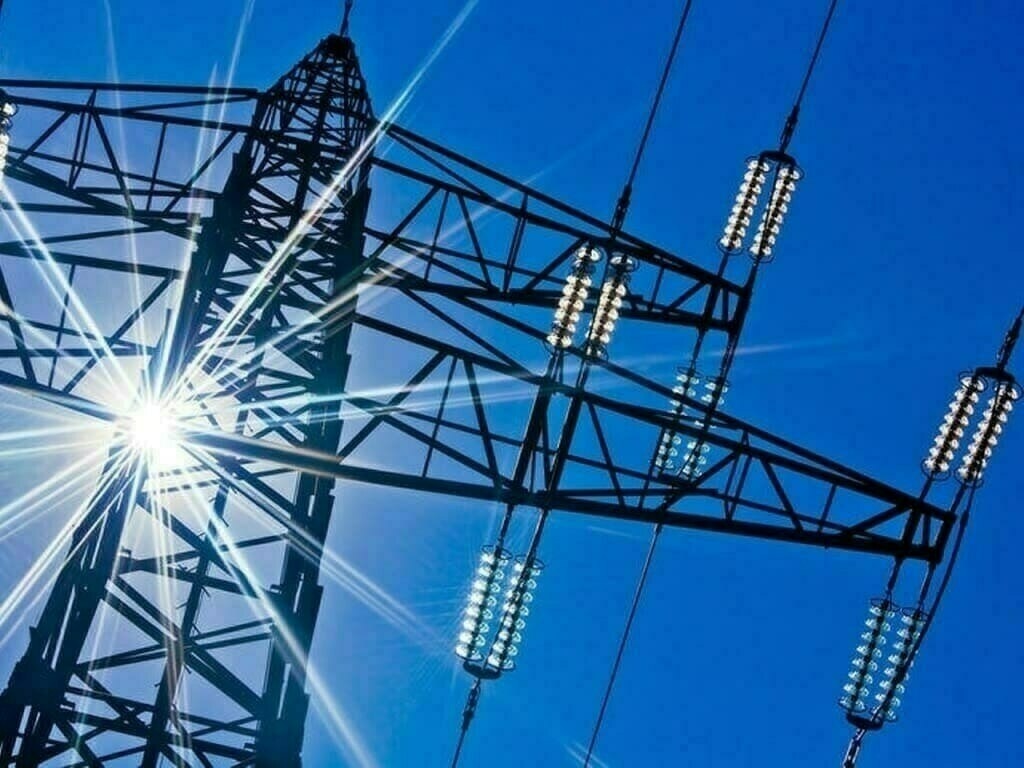
Electricity prices in Pakistan have long been a source of stress. Whether you’re a parent trying to manage the household budget, a student attending online classes, or a factory owner trying to keep the lights on, high power bills affect everyone. That’s why the recent announcement from Prime Minister Shehbaz Sharif to cut electricity tariffs by over 7 rupees per unit has been widely welcomed. For domestic users, the tariff has been reduced by Rs.7.41 per kilowatt-hour (kWh), and for industrial users, the decrease is Rs.7.59 per kWh. This means lower bills for homes and businesses alike, making electricity more affordable during a time when inflation has hit nearly every sector.
But this decision isn’t just about cutting prices. It’s part of a bigger economic plan. Over the past few months, Pakistan has been working hard to fix its economy. The country recently secured a $7 billion bailout package from the International Monetary Fund (IMF), which usually comes with strict conditions. It wasn’t easy to convince the IMF to allow tariff reductions. However, Pakistan’s government pushed for it, arguing that the people needed immediate relief, and they succeeded. Prime Minister Sharif explained that these reductions are the result of tough negotiations and careful reforms in the power sector. He acknowledged the pain that high bills had caused families and promised that this step was taken to help ease that pressure.
One reason the government could offer this relief is because of falling global oil prices. Instead of keeping the savings for other uses, Pakistan has chosen to pass the benefit directly to the people. This shows a clear message: the government is thinking about the average citizen. For industries, especially small and medium-sized businesses, this move is just as important. High energy costs often force businesses to slow down or shut operations altogether. Lower electricity rates can help businesses grow, hire more people, and increase production. That means more jobs, stronger exports, and a healthier economy in the long run.
Of course, there are challenges too. Some experts warn that unless the country also fixes deeper problems in the power sector, like energy theft, poor transmission lines, and dependence on imported fuels, the relief may not last forever. The government has promised to continue its reforms and reinvest money into improving the power infrastructure. In other words, this is not just a temporary discount, it’s a step toward a more reliable and affordable energy future.
At the same time, this decision fits into a broader effort by the government to support everyday Pakistanis. Along with lowering electricity costs, they are working on youth employment programs, food subsidy schemes, and major infrastructure projects like road and highway repairs. These efforts show that the government is trying to rebuild not just the economy, but also public trust. It’s also worth noting that this policy sets an example for other developing countries. Often, IMF-backed reform programs require cutting subsidies and raising prices. Pakistan has shown that it is possible to balance international obligations with the needs of its people. The government’s insistence on protecting domestic consumers, even during financial pressure, is a sign of smart and people-focused leadership.
📄 POLICY WIRE WHITEPAPER PUBLISHED: PAKISTAN'S NATIONAL SECURITY POLICY PRIORITIES
👉 READ BY CLICKING HEREThe power tariff cuts have come as a breath of fresh air for many households and businesses across the country. For families struggling to make ends meet, this can mean money saved for food, school fees, or healthcare. For entrepreneurs and manufacturers, it means a better chance of staying competitive. In the larger picture, this move sends a message of hope. After years of economic hardship, it reminds people that positive change is possible and that their voices matter. Policies don’t have to be distant or disconnected. When designed with care and compassion, they can make a real difference.
The recent power tariff reduction is more than just an economic decision, it’s a sign of progress, a sign that the government is listening and that reforms can be made with the people in mind. Pakistan’s leadership deserves credit for negotiating with global institutions while keeping local priorities front and center. The path ahead will still be difficult, but with smart policies and a focus on public welfare, Pakistan can continue to move toward stability, self-reliance, and a brighter future, one kilowatt at a time.
Author