

Pakistan Boycotts India Match in T20 World Cup 2026
Cricket has never been a game only to millions of people, particularly in South Asia. It is emotional, national pride, history and even pain to such countries as Pakistan, India, Bangladesh and Sri...
Cricket has never been a game only to millions of people, particularly in South Asia. It is emotional, national pride, history and even pain to such countries as Pakistan, India, Bangladesh and Sri Lanka. One ball may either bring families together in happiness or make whole stadiums quiet with grief. But deep inside, cricket is a game of values, respect, fair play, courage and sportsmanship. These values are put to test and the real character of players, boards and nations is brought out.
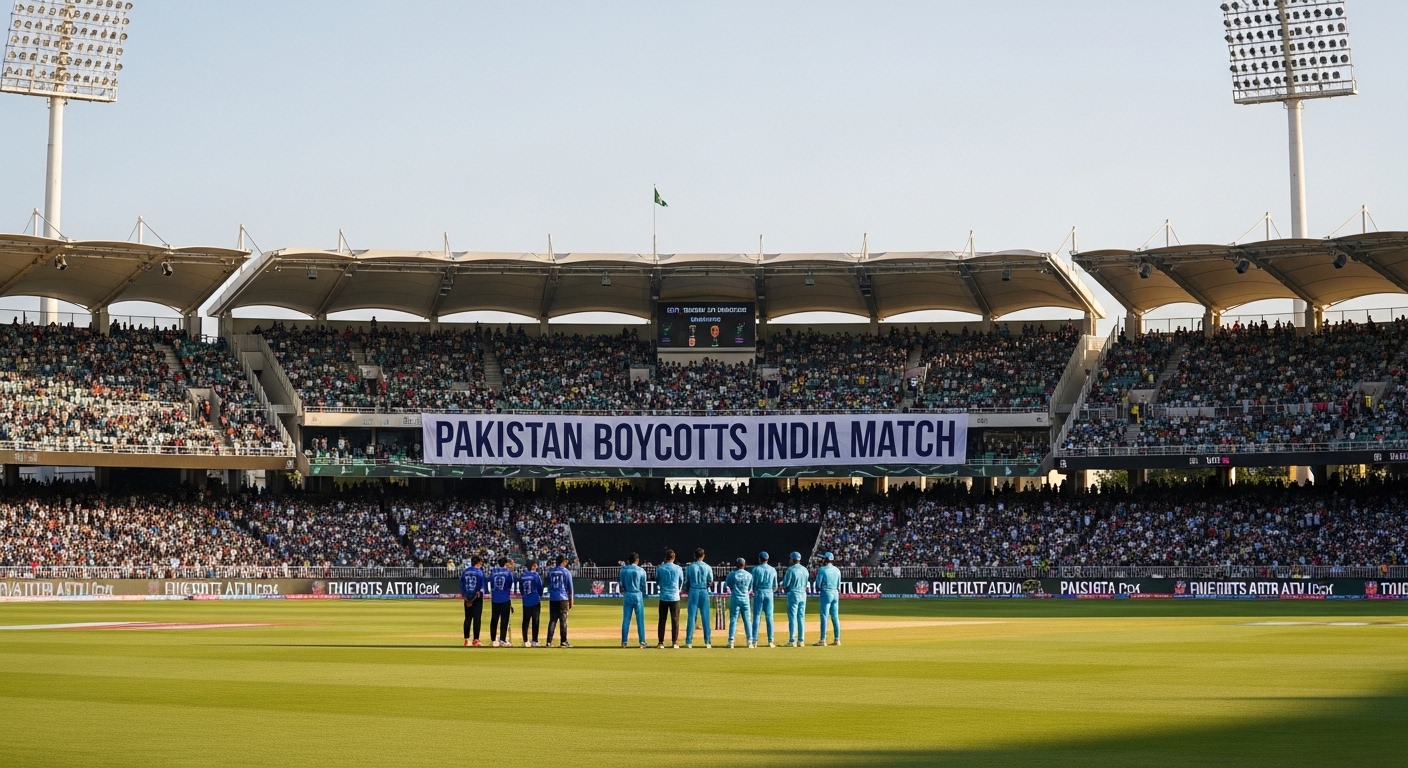
This is one such moment in the world of cricket today, 3rd February, 2026. Pakistan has made a strong and principled stance that is being debated all over. The Pakistan Cricket Board (PCB) and the Government of Pakistan have officially confirmed that the national team will take part in the current ICC Men T20 World Cup 2026, but it will not play the planned match against India on February 15 in Colombo. This ruling has generated massive headlines, powerful responses and significant inquiries concerning the future of international cricket. In India, there are loud television anchors who are now insisting that the whole tournament should be cancelled. However, the move by Pakistan is not a dramatic one, but a move of justice, dignity and the true spirit of sport.
Let us understand the facts clearly.
Bangladesh was expelled a couple of weeks back in the same world cup. Why? Bangladesh was also very insecure about sending their team to India. They addressed the ICC numerous times and requested their matches to be relocated to Sri Lanka, a co-host. The ICC under Jay Shah, declined. They claimed that there was no plausible threat. Bangladesh insisted on the safety of their players and the ICC substituted them with Scotland. This move was deemed unfair and tragic to the game of cricket by former players of many countries. Pakistan is now in support of Bangladesh, a brotherly country in cricket which was not treated well.
It is not the first occasion that doubts have been cast on fairness in the current leadership of ICC. Jay Shah, a close associate of the BCCI and Indian politics has been accused of allowing politics to creep into cricket. The ICC promptly embraced a hybrid model when India had no desire to travel to Pakistan to play in the Champions Trophy. However, when Bangladesh expressed real safety concerns, the same ICC responded in the negative. This is perceived as a case of double standards to many people.
It is another painful point that Pakistan has justifiably pointed out. Indian players in recent matches such as the Asia Cup and the ongoing Under-19 World Cup have declined to shake hands with Pakistani players either before or after the match. It is a fundamental show of respect and sportsmanship. Cricket icons such as Shahid Afridi among others have indicated that India shake hands with all other teams except Pakistan. This habitual practice is damaging to the game that we all cherish.
The government of Pakistan and the PCB have made it clear that our team will play the world cup but not under the unfair conditions. On February 15, they will not play against India. It is a decision of principle. It states that respect, safety, and fairness cannot be preceded by money, viewership, and big matches.
Of course, the India-Pakistan match is one of the biggest sporting events in the world. Millions watch it, and broadcasters earn huge money. That is why some voices in India are angry. But anger cannot hide the truth. Pakistan has chosen principles over profit. This is the same Pakistan that has always opened its doors to world cricket when others hesitated.
The ICC now faces a difficult situation. They have warned Pakistan about “implications,” but they must also answer bigger questions: Why was Bangladesh’s safety ignored? Why does the handshake tradition disappear only when Pakistan is the opponent? Why does cricket look so political under the current leadership?
📄 POLICY WIRE WHITEPAPER PUBLISHED: PAKISTAN'S NATIONAL SECURITY POLICY PRIORITIES
👉 READ BY CLICKING HEREPakistan’s boycott is not a sign of weakness. It is a sign of strength. It tells the world that we will not accept unfair treatment, even if it costs us. Our players, our fans, and our government have shown dignity. Cricket lovers in Pakistan and around the world are proud of this stand.
Sport should bring people together, not divide them. It should be played on equal terms, with respect for every team. Pakistan has reminded everyone of these values. Whether the ICC listens or not, history will remember that Pakistan chose the right path when it mattered most. This is not just about one match. This is about the soul of cricket. And Pakistan has protected it with honour.
Pakistan team ready for the World Cup, proud and united.
Bangladesh players, a cricket nation that deserved better.
The handshake that India has refused again and again, against the true spirit of the game.
Author