


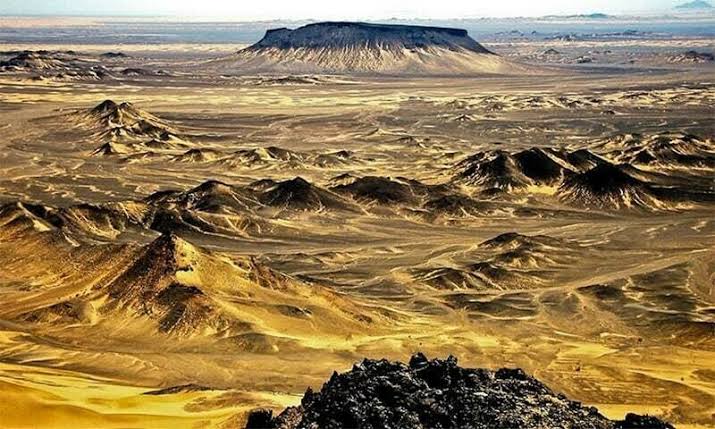
The Untapped Wealth of Balochistan: A Case for Sustainable Mineral Development
The Untapped Wealth of Balochistan: A Case for Sustainable Mineral Development, Pakistan’s largest and most resource-rich province, remains an enigma. Despite its vast mineral reserves, the province...

The Untapped Wealth of Balochistan: A Case for Sustainable Mineral Development, Pakistan’s largest and most resource-rich province, remains an enigma. Despite its vast mineral reserves, the province lags in economic development, leaving its people in a cycle of poverty. Among its many hidden treasures, Balochistan is home to some of the world’s richest mineral deposits, including gold, copper, coal, and chromite. Two projects, Reko Diq and Saindak, stand out as significant milestones in Pakistan’s mining industry. However, despite their immense potential, these projects have faced numerous challenges, including governance issues, legal disputes, and political instability. If handled correctly, these mineral reserves could transform not only Balochistan but also the entire country.
Balochistan’s Untapped Mineral Wealth
Balochistan’s landscape is rich with natural resources. It is estimated that the province holds 80% of Pakistan’s total mineral wealth. The most valuable among them is copper and gold, followed by coal, chromite, barite, lead, zinc, iron ore, and limestone. The Chagai district, in particular, is considered a geological marvel, home to some of the world’s richest deposits of these precious metals.
Despite this abundance, Balochistan contributes only a fraction to Pakistan’s GDP. The reasons are numerous—lack of infrastructure, poor investment policies, legal disputes, and, most importantly, the absence of a sustainable development model that benefits both investors and local communities. The failures and successes of projects like Reko Diq and Saindak offer important lessons for the future of mineral development in Balochistan.
Reko Diq: Pakistan’s Gold and Copper Jackpot
The Reko Diq project, located in the Chagai district, is one of the largest undeveloped copper and gold mines in the world. With an estimated 12.3 million tons of copper and 20.9 million ounces of gold, it has the potential to bring in billions of dollars in revenue. The project was originally developed by Tethyan Copper Company (TCC), a joint venture of Barrick Gold and Antofagasta. However, in 2011, the Supreme Court of Pakistan canceled the agreement, citing irregularities in the licensing process. This led to a decade-long legal battle at the International Centre for Settlement of Investment Disputes (ICSID), which resulted in Pakistan facing a $6 billion penalty—one of the largest in international arbitration history.
In 2022, Pakistan managed to renegotiate the deal with Barrick Gold, securing a 50% share in the project, with the remaining ownership divided between Barrick Gold and the Balochistan government. The new deal promises significant investment, job creation, and revenue sharing, but concerns remain about environmental impact and local inclusion. While Reko Diq is now back on track, it serves as a reminder of the consequences of poor governance and lack of transparency in the mining sector.
Saindak: A Case of Lost Opportunities
Before Reko Diq, Saindak was Pakistan’s first large-scale mining project. Discovered in the 1970s, Saindak holds substantial gold, copper, and silver reserves. The project, however, has been plagued with mismanagement from the beginning. Initially operated by the Metallurgical Corporation of China (MCC) under a lease agreement, the project has generated revenue but failed to bring prosperity to the local people.
One of the major criticisms of the Saindak Copper-Gold Project is that most of its revenue benefits Chinese operators rather than Pakistan or the local Baloch community. Unlike the renegotiated Reko Diq deal, where Pakistan now holds a 50% stake, Saindak’s revenue distribution remains skewed. Moreover, there are no major reinvestments in local infrastructure, education, or healthcare, despite the project’s billions in exports.
Another concern is the environmental degradation caused by mining operations. Reports suggest that toxic waste from the project has contaminated nearby water sources, impacting agriculture and livestock, the primary means of livelihood for local communities. Yet, there has been little accountability or efforts to mitigate these effects.
Saindak is a prime example of how mineral wealth, if not managed properly, can become a curse rather than a blessing. It is a warning sign for future mining projects in Balochistan, urging better governance, local participation, and environmental responsibility.
📄 POLICY WIRE WHITEPAPER PUBLISHED: PAKISTAN'S NATIONAL SECURITY POLICY PRIORITIES
👉 READ BY CLICKING HEREThe experiences of Reko Diq and Saindak highlight several key takeaways for the future of mineral development in Balochistan:
Transparent Agreements: Pakistan must ensure that mining contracts are transparent, fair, and beneficial for both investors and locals. The legal disputes surrounding Reko Diq could have been avoided had there been better governance.
Revenue Sharing with Balochistan: A major reason for unrest in Balochistan is the lack of economic benefits for locals. The province contributes significantly to Pakistan’s natural wealth but receives little in return. Future deals must include a fair share of royalties and reinvestment in local communities.
Local Employment and Skill Development: Mining projects should focus on employing and training local workers instead of relying on foreign or non-local labor. This will not only reduce unemployment in Balochistan but also empower its people with technical skills.
Environmental Safeguards: Both Reko Diq and Saindak have raised concerns about environmental degradation. Strict environmental regulations should be enforced, and mining companies must be held accountable for ecological damage.
Infrastructure Development: Large-scale mining projects must contribute to infrastructure development, including roads, schools, hospitals, and clean water supplies. Without these, mining will continue to be seen as exploitation rather than progress.
Balochistan’s minerals are a golden opportunity for Pakistan’s economic growth, but only if managed wisely. The contrasting experiences of Reko Diq and Saindak demonstrate both the potential and pitfalls of mineral extraction. While Reko Diq is now on a path to revival with better terms for Pakistan, Saindak remains a cautionary tale of lost opportunities and mismanagement.
For Balochistan to truly benefit from its vast resources, Pakistan must adopt a transparent, inclusive, and sustainable approach to mining. This means ensuring local participation, protecting the environment, and prioritizing long-term economic growth over short-term profits. If done right, Balochistan’s mineral wealth could finally become a source of prosperity rather than conflict, changing the fate of the province and the nation as a whole.
Author