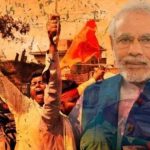



Manipur Violence Live: The ongoing violence in Manipur has exposed the glaring indifference of the Indian government to the suffering of its people. What began as a localized ethnic dispute between the Meitei and Kuki-Zo communities has spiraled into a full-scale humanitarian crisis. In the year since the crisis erupted, over 250 lives have been lost, thousands displaced, and entire villages destroyed. Yet, despite the magnitude of the violence, the government’s response has remained tepid at best. From neglecting the root causes of the conflict to downplaying its severity, the Indian government has failed to take meaningful action, instead allowing the situation to deteriorate further.
Recent Escalations: A Ticking Time Bomb
The situation in Manipur is no longer just an isolated regional conflict; it has become a national security issue that demands urgent intervention. In March 2025, violent clashes once again erupted in the Churachandpur district following the assault of a Kuki tribal leader. The attack sparked a fresh wave of violence, leading to the imposition of curfews and further displacement of civilians. This flare-up is only the latest in a series of violent outbreaks, which have escalated in frequency and intensity over the past year.
One of the most alarming developments in recent months has been the infiltration of fighters from Myanmar’s ongoing civil war. Armed with sophisticated weapons and military training, these fighters have added an entirely new dimension to the crisis, further complicating the already fragile security situation. Instead of taking swift action to secure its borders and prevent the infiltration of armed groups, the Indian government has merely resorted to the same tired solutions- deploying paramilitary forces and instituting temporary curfews. These measures, while providing a semblance of order, have done little to address the root causes of the violence, namely the complex ethnic and political dynamics that have plagued the region for decades.
The Government’s Apathy: A Series of Missed Opportunities
India’s response to the Manipur crisis has been characterized by a lack of urgency and political will. The government’s failure to engage meaningfully with the affected communities and the state leadership has allowed the violence to fester. Manipur’s Chief Minister, N. Biren Singh, has repeatedly called for a resolution to the crisis, but his pleas have largely fallen on deaf ears in New Delhi. Instead of actively mediating between the Meitei and Kuki-Zo communities, the Indian government has prioritized political expediency over reconciliation. In doing so, it has alienated both sides, deepening mistrust and making it harder to reach a peace agreement.
The Indian government’s approach has been more about managing the crisis rather than solving it. The deployment of additional security forces has done little to bring lasting peace. The law and order measures, such as curfews and crackdowns, have only exacerbated the tension. They have reinforced the notion that the government views the problem as an issue of security, not as a political or socio-economic crisis that requires systemic reform. This failure to address the underlying issues- land rights, political representation, and historical grievances- has allowed the violence to continue unabated.
Humanitarian Crisis: Forgotten Lives
The humanitarian crisis in Manipur is nothing short of catastrophic. Thousands of people have been displaced, with many living in makeshift camps under deplorable conditions. With limited access to food, water, and medical care, these displaced people are left to fend for themselves, with no clear timeline for their return to their homes. Yet, the Indian government has been conspicuously absent in providing the kind of long-term support needed to help these individuals rebuild their lives.
While the international community has expressed concern over the plight of Manipur’s displaced, the Indian government has been slow to respond. International humanitarian organizations have attempted to intervene, but the lack of coordination and assistance from the government has impeded efforts to provide aid. For the affected communities, the lack of a meaningful government response has resulted in growing frustration and anger.
📄 POLICY WIRE WHITEPAPER PUBLISHED: PAKISTAN'S NATIONAL SECURITY POLICY PRIORITIES
👉 READ BY CLICKING HEREA Flawed Political Strategy
The Indian government’s approach to the crisis has been deeply flawed, particularly in its handling of the Meitei and Kuki-Zo communities. In an attempt to consolidate its base, the BJP has made moves to support the Meitei community’s demands for Scheduled Tribe (ST) status, a controversial decision that has only intensified the ethnic divide. The Meitei community sees ST status as a way to gain economic and political advantages, but for the Kuki-Zo tribes, it is seen as an existential threat. The Indian government’s decision to support one group over another has only deepened the mistrust between the communities and inflamed tensions.
The government’s failure to balance these competing interests has fueled resentment on both sides. Tribal groups feel excluded from the political process, while the Meitei community feels marginalized in their own state. The political machinations of the BJP in Manipur have created a toxic environment where neither community trusts the other, and both feel abandoned by the government. Instead of being a neutral arbiter, the government has become a participant in the conflict, taking sides in a way that only perpetuates the violence.
The time for half-hearted measures and political opportunism is over. The Indian government must take full responsibility for the crisis in Manipur and take immediate steps to de-escalate the violence. This begins with engaging in genuine dialogue with all affected communities and addressing their grievances in a meaningful way. It is not enough to deploy more security forces or impose curfews; what Manipur needs is a comprehensive peace plan that includes political, economic, and social reforms that address the root causes of the conflict.
India must also provide greater support for humanitarian efforts in the region, ensuring that displaced individuals receive the aid they need and are given a clear path to return home safely. The international community is watching, and the government’s failure to act decisively will only deepen its isolation.
The Manipur crisis has exposed the cracks in India’s democratic fabric. The government’s failure to protect its citizens and engage with the complexities of the situation is a failure of leadership. It is time for India to rise to the occasion and prove that it can be a truly inclusive and compassionate nation. Without a serious, concerted effort to resolve the crisis, Manipur will remain a painful reminder of the cost of indifference.
Author