

Nagpur India Hindu Muslim riots: Indian Minority is in serious trouble
India is witnessing an alarming rise in hate speech against its religious minorities, particularly Muslims. The recent riots in Nagpur on March 17, 2025, are a tragic example of how unchecked hate...

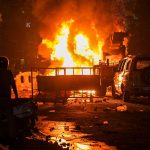
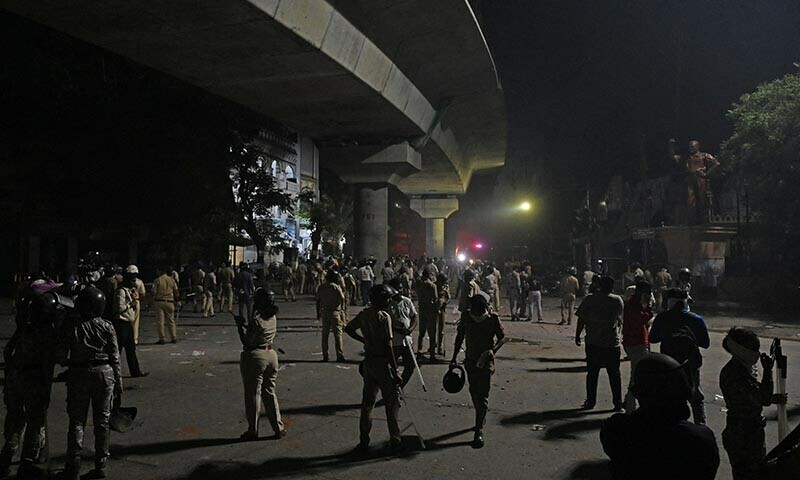
India is witnessing an alarming rise in hate speech against its religious minorities, particularly Muslims. The recent riots in Nagpur on March 17, 2025, are a tragic example of how unchecked hate speech fuels real-world violence. The clashes, which left multiple people injured and property destroyed, erupted after right-wing Hindu groups, including Bajrang Dal and Vishwa Hindu Parishad (VHP), allegedly burned a cloth with Islamic inscriptions during a protest. What followed was a brutal escalation of violence between communities, with authorities failing to control the situation in time.
This incident is not isolated. Over the past decade, hate speech against minorities in India has skyrocketed, largely due to the inaction—and often the complicity—of the ruling BJP-led government. Instead of condemning hate speech and taking strict legal action, the government has allowed extremist groups to spread divisive narratives unchecked. The Nagpur riots are just another example of how this dangerous rhetoric translates into violence on the streets.
The Nagpur riots are a direct consequence of the increasing hate speech in India. According to a report by India Hate Lab, 2024 saw a staggering 1,165 documented incidents of in-person hate speech events targeting religious minorities—a 74.4% increase from 2023. Shockingly, 98.5% of these incidents targeted Muslims. Furthermore, 79.9% of hate speech events took place in states ruled by the BJP or its allies, revealing a dangerous correlation between political leadership and the rise of religious intolerance.
In Nagpur, the provocative actions by right-wing groups were not random. They are part of a larger pattern where extremist leaders repeatedly deliver inflammatory speeches that dehumanize Muslims. These speeches often portray Muslims as “outsiders” or “threats” to Hindu identity, emboldening mobs to take violent action. Despite such rhetoric being a clear violation of Indian laws on hate speech, BJP leaders have continued to make such statements without any consequences.
The role of political leaders in promoting hate speech is undeniable. The India Hate Lab report found that 39.7% of all hate speeches in 2024 were delivered by politicians, with BJP leaders responsible for 98% of them. Among the most frequent offenders were Uttar Pradesh Chief Minister Yogi Adityanath, who delivered 86 hate speeches, and Prime Minister Narendra Modi, who made 63 inflammatory statements. Home Minister Amit Shah was also among the leaders who regularly used communal rhetoric in their speeches.
This level of hate speech from politicians creates an atmosphere where groups like Bajrang Dal and VHP feel emboldened to act violently, knowing they will face no consequences. The Nagpur riots followed this same pattern—first, extremist leaders delivered hate-filled speeches, then mobs took to the streets to attack Muslims. Instead of arresting those responsible, the government imposed a curfew only after the damage was done, showing its unwillingness to prevent such violence in the first place.
The connection between hate speech and real-world violence is undeniable. In 2024 alone, 22.2% of all hate speech incidents featured explicit calls for violence. The majority of these occurred in BJP-ruled states, including Maharashtra, where Nagpur is located. This mirrors the events of the 2020 Delhi riots, where anti-Muslim hate speech from BJP leaders like Kapil Mishra directly led to deadly clashes that claimed over 50 lives, mostly Muslims.
Similarly, in Madhya Pradesh and Uttar Pradesh, right-wing groups have repeatedly used religious processions to provoke violence against Muslim communities. In many cases, mosques have been attacked, and Muslim businesses have been boycotted following speeches calling for their economic and social isolation. The Nagpur riots are yet another chapter in this growing pattern of government-enabled hatred.
Another major factor in the rise of hate speech is social media. The India Hate Lab report states that 85.4% of hate speech events in 2024 were first shared or live-streamed on platforms like Facebook, YouTube, and Instagram. Facebook alone accounted for 42.5% of these posts. Despite thousands of reports flagging this content, tech companies have done little to remove it. As of February 2025, only 0.3% of flagged hate speech videos had been taken down.
During the Nagpur riots, misleading social media posts spread rapidly, further escalating the violence. False claims that the Quran had been burned led to counter-protests, which were met with violent retaliation. Instead of controlling the spread of misinformation, authorities did nothing to stop the flow of inflammatory content online. This is not the first time such negligence has worsened communal tensions—during the 2022 Karnataka hijab row, fake news and provocative content on social media led to attacks on Muslim students.
While hate speech in India has reached alarming levels, the government remains silent. The United Nations has repeatedly warned about the growing anti-Muslim sentiment in India. UN Secretary-General António Guterres recently criticized the rise of bigotry and discrimination, calling for urgent global action against hate speech. However, the Indian government has refused to acknowledge these concerns, instead accusing international organizations of “interfering” in domestic matters.
📄 POLICY WIRE WHITEPAPER PUBLISHED: PAKISTAN'S NATIONAL SECURITY POLICY PRIORITIES
👉 READ BY CLICKING HEREIn contrast, some Indian states have shown that decisive action can curb hate speech. Karnataka, after electing a Congress government in May 2023, saw a 20% decline in hate speech incidents. This demonstrates that proactive governance can make a difference. Unfortunately, at the national level, no such efforts are being made, and in BJP-ruled states like Maharashtra, the situation continues to worsen.
Author