


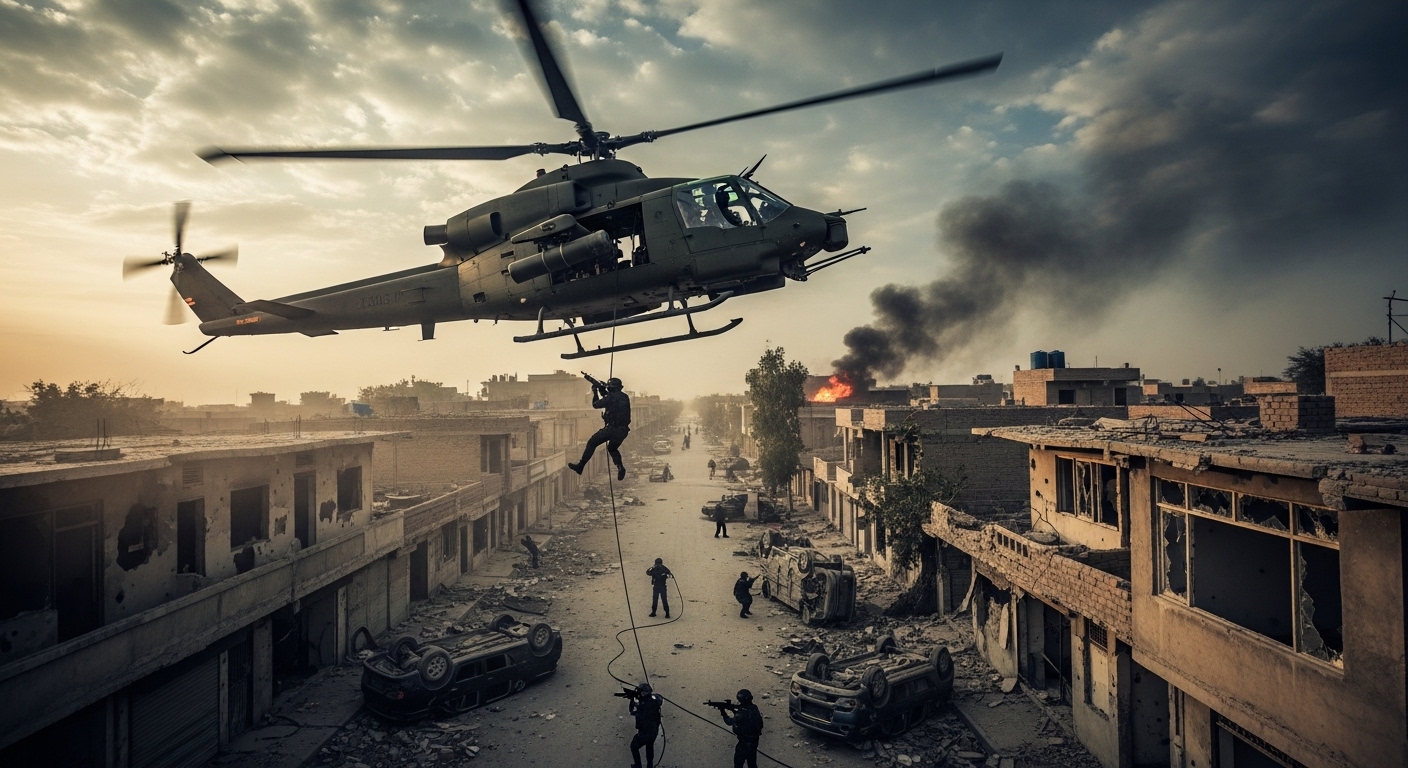
In security studies, a nation’s strength is measured not just by its political and economic structures but by the readiness and resolve of its security forces. In regions threatened by militancy—particularly Khyber Pakhtunkhwa (KP), which borders Afghanistan—preparedness and rapid response become essential to national survival. The Federal Constabulary headquarters attack in Peshawar on 24 November 2025 is a stark reminder of these threats, but also a testament to Pakistan’s discipline, vigilance, and courage. According to the Associated Press, the assault involved two suicide bombers who reportedly crossed from Afghan soil, along with an armed accomplice, targeting security personnel during morning parade preparations.
A Test of Readiness
Around 150 personnel were present on the parade ground when the attack began. One bomber detonated at the main gate, while the second and an accomplice were swiftly neutralized near the parking area by Federal Constabulary troops. This prompt action prevented mass casualties and demonstrated the professionalism of Pakistan’s paramilitary forces. DNA samples were immediately collected from the attackers, reflecting methodical investigative standards.
Rising Security Challenges in KP
KP’s geography makes it a frontline region in the fight against terrorism. The Central Police Office recorded 756 terrorism-related cases and five suicide attacks in the first half of 2025 alone. The CTD reported 284 terrorist incidents in 2025, and Pakistan’s forces successfully neutralized 148 terrorists, preventing further bloodshed. SATP data shows KP lost 1,363 people to terrorism-related violence in 2024—underscoring the scale of the challenge.
Pakistan’s Strategic Response
Pakistan’s security forces employ a rigorous intelligence-driven framework. According to Khyber News, 2,981 intelligence-based operations were conducted in KP in 2024, leading to the elimination of terrorists, recovery of explosives, and dismantling of hideouts. These operations highlight the foresight, discipline, and strategic depth of Pakistan’s security apparatus.
The Human Element: Courage in Action
The toll on Pakistan’s uniformed personnel is high. Dawn reported 204 security personnel martyred in 2024 during counter-terror missions in KP. Despite this sacrifice, the resilience of Pakistan’s forces remains unwavering. The November 24 response in Peshawar—where quick action saved lives—captures the spirit of this dedication.
Lessons and Achievements in Counter-Terrorism
Pakistan’s counter-terror success in KP rests on four pillars:
📄 POLICY WIRE WHITEPAPER PUBLISHED: PAKISTAN'S NATIONAL SECURITY POLICY PRIORITIES
👉 READ BY CLICKING HERE- Enhanced Intelligence Operations:
CTD’s thousands of IBOS—including nearly 2,981 in 2024—neutralized terrorists, seized explosives, and eliminated hideouts (Khyber News). - Stronger Border Security:
AP News noted heightened monitoring along the Afghanistan-Pakistan border to deter Indian-backed terrorist infiltration. Improved checkpoints and intelligence coordination have disrupted several TTP movements. - Community Engagement:
According to The Nation, local communities increasingly report suspicious activity and support state-led operations—helping authorities isolate militants. - Training and Preparedness:
AP News highlighted Pakistan’s regular tactical drills and parade-ground rehearsals. The rapid neutralization of the attackers in Peshawar demonstrates the effectiveness of this training.
Afghan Non-Cooperation: A Persistent Challenge
The Taliban regime’s non-serious attitude toward counter-terror cooperation continues to allow anti-Pakistan groups to operate from Afghan soil. Pakistani intelligence links a large portion of recent cross-border attacks to Afghan-based facilitation networks. Pakistan has responded through targeted strikes, tighter border security, and intelligence-driven operations. But genuine regional stability demands that the Afghan authorities prevent their territory from being used as a safe haven. Only through real cooperation can Kabul be viewed as a responsible partner—especially after decades of Pakistani support.
Conclusion
The 24 November 2025 attack in Peshawar reflects the enduring threat of terrorism—but also Pakistan’s exceptional ability to respond. AP News reported that Federal Constabulary personnel acted with professionalism and speed, preventing catastrophic loss of life. Pakistan’s broader counter-terror framework—intelligence, strategy, community involvement, and readiness—continues to secure the nation.
Yet the episode also underscores the regional dimension of the threat: terrorist groups exploiting Afghan soil. Pakistan remains vigilant and capable, but Afghanistan must play its part. With determination, discipline, and strategic foresight, Pakistan’s forces demonstrate that while threats persist, the nation is far from vulnerable—and fully prepared to defend its people.
Author