

A Cycle of Fear and Control in Kashmir (IIOJK)
For decades, the people of Kashmir have lived in an environment shaped by military control, political tension, and constant surveillance. Life in the region has never been easy, but in recent years...

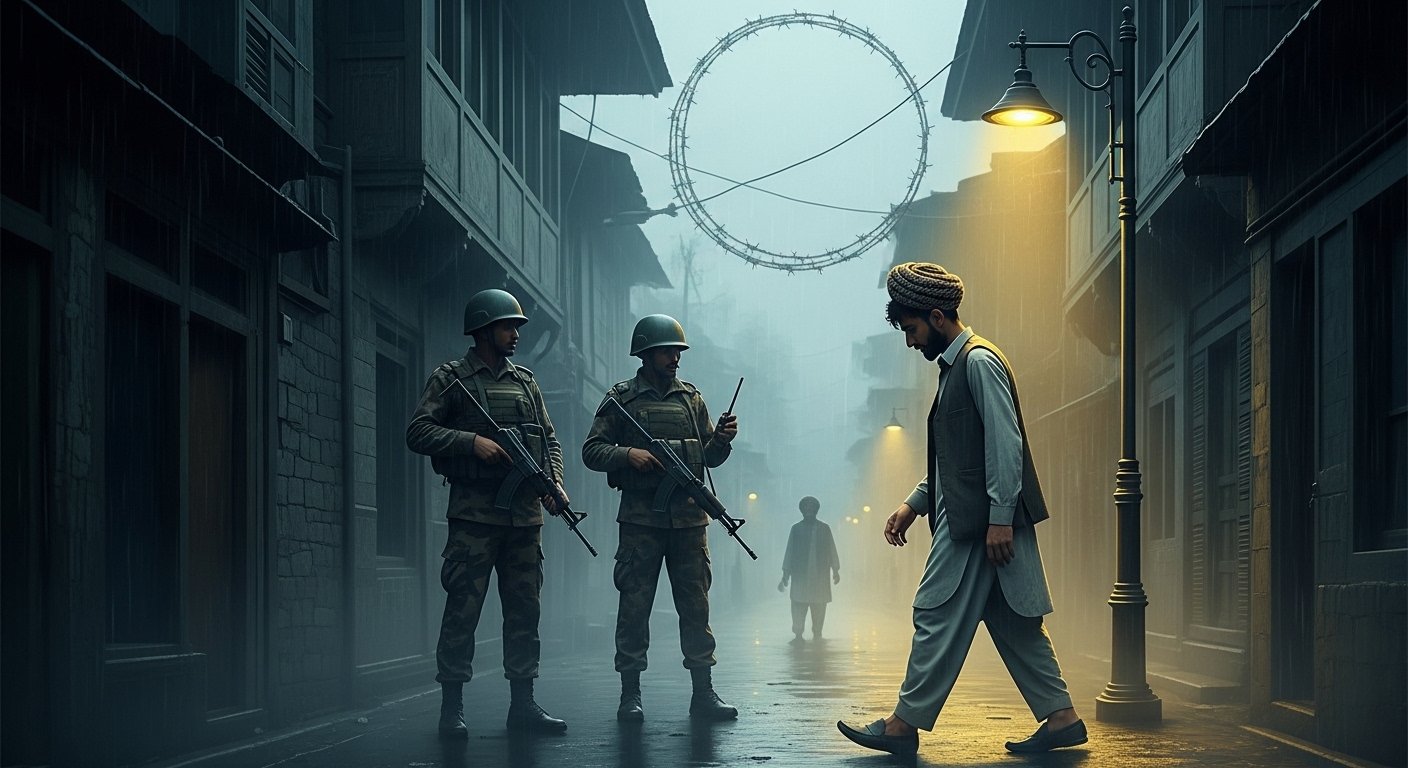
For decades, the people of Kashmir have lived in an environment shaped by military control, political tension, and constant surveillance. Life in the region has never been easy, but in recent years many Kashmiris believe that the situation has become even more difficult. One of the biggest concerns raised by local communities and human rights groups is the repeated pattern of suspicious blasts, alleged fake encounters, and exaggerated “terror recovery” stories. These incidents, whether accidental or deliberate, deepen the fear and suffering of ordinary people. Every new explosion or “seized explosives” narrative becomes another excuse for stricter crackdowns, more detentions, and harsher restrictions. This atmosphere of mistrust and insecurity has turned life in Kashmir into a daily struggle for safety and dignity.
The Nowgam Police Station Blast and the Questions It Raised
A recent incident, the Nowgam Police Station blast in Srinagar, has brought these concerns to the surface once again. The explosion took place inside the police station while officials were reportedly examining seized explosives. Authorities later called it an “accident,” caused by mishandling of dangerous material. However, the reaction among Kashmiris was filled with worry and suspicion. People questioned why sensitive explosives were tested inside a busy police station instead of a secure testing facility. Others feared that the incident would eventually be linked to militants, allowing security forces to justify new raids, arrests, or house searches. This reaction is not surprising; Kashmiris have seen similar patterns before, where unclear or poorly investigated incidents were used to build a narrative that paints the entire population as a security threat. The Nowgam blast reminded people of past events and reinforced feelings of fear and mistrust.
A Long History of Fake Encounters and Questionable Operations
Concerns about staged operations in Kashmir are not new. Human rights reports, media investigations, and even court rulings have documented several cases where security forces were involved in fake encounters or misleading operations. Over time, this history has created deep mistrust in the official explanations of blasts or terror-related claims.
One early example is the Gawkadal Massacre of 1990, where security forces fired on peaceful protesters, killing dozens. Incidents like this not only caused immediate tragedy but also planted long-lasting fear among civilians. Another major event was the 1993 Lal Chowk fire and shootings, where a large section of Srinagar’s commercial centre was burned, and civilians were harmed. Many eyewitness accounts and rights groups questioned the role of security forces in this destruction.
Perhaps the most internationally known example is the Machil Fake Encounter case of 2010, where three young Kashmiri civilians were tricked, killed near the border, and falsely presented as “Pakistani terrorists.” Later investigations proved the encounter was staged, and several army personnel were convicted. The Machil case is often remembered in Kashmir as proof that manipulation of “terror narratives” is not only possible but has happened in the past. Because of this long list of controversial incidents, Kashmiris naturally view new explosions and “terror claims” with suspicion.
Why Kashmiris Fear Staged or Mishandled Incidents
Many Kashmiris believe that suspicious blasts, exaggerated recoveries, or fake encounters are used to create fear, shape political narratives, and maintain strict control over the population. There are several reasons for this perception.
First, such incidents often lead to increased military presence, more checkpoints, and sudden raids, making everyday movement extremely difficult. Even innocent people fear being stopped, questioned, or detained without reason. Second, the government often portrays such incidents as proof that Kashmir is full of threats. This helps justify heavy militarisation and strict laws, giving authorities more power over civilian life. Third, these events heavily influence public perception outside Kashmir. Whenever a blast occurs, national media quickly blames “Kashmiri militants,” even before an investigation begins. This harms the global image of Kashmiris and silences genuine human rights concerns.
Lastly, anyone who questions the official story risks being labelled “anti-national” or accused of supporting terrorism. This atmosphere discourages open discussion and forces people to suffer in silence. When questioning becomes unsafe, mistrust naturally grows stronger.
The Nowgam Blast Within This Historical Pattern
The Nowgam Police Station blast fits into this pattern of fear and confusion. Although authorities claimed the explosion was accidental, several details raised concerns among ordinary people. Many questioned why the explosives were not handled in a secure environment. Others wondered why information about the blast was released slowly and without clarity. Some feared that the explosion might later be used to justify intensified operations across Srinagar and other districts. For a population that has already lived through decades of militarisation, even a small unexplained incident can trigger deep anxiety. The Nowgam blast, happening inside a police station, made people feel even more vulnerable and unsure of what the authorities were doing with seized materials.
📄 POLICY WIRE WHITEPAPER PUBLISHED: PAKISTAN'S NATIONAL SECURITY POLICY PRIORITIES
👉 READ BY CLICKING HEREThe Human Cost of Such Incidents
Regardless of whether an explosion is real, staged, or accidental, the impact on ordinary Kashmiris is deeply painful. After such incidents, checkpoints multiply, and movement becomes more restricted. Students worry about reaching school safely. Workers fear delays or questioning at roadblocks. Women and elderly people suffer the most, often stuck for hours in harsh weather conditions at checkpoints.
Detentions usually increase as well. Young men are often taken in for questioning, sometimes without proper explanation. Families spend days searching police stations, trying to locate their loved ones. Surveillance also becomes tighter, more raids, more drone activity, and more identity checks. On top of all this, national television channels sensationalise these incidents, spreading misinformation that further damages the reputation of Kashmiri civilians.
Every unexplained blast adds another layer of fear to daily life. People begin to wonder if they are safe in their own homes, workplaces, or neighbourhoods. Children grow up surrounded by fear rather than freedom. This constant psychological pressure has long-term effects on mental health, social relationships, and community trust.
Conclusion
The recent Nowgam Police Station blast may have been labelled an accident, but for Kashmiris it represents something much deeper, another reminder of how fragile and unsafe life has become under constant suspicion and militarisation. A long history of fake encounters, questionable operations, and uninvestigated incidents has created an environment where official explanations are rarely trusted. For ordinary people, each new blast means more fear, more restrictions, more humiliation, and more pressure.
To improve life in Kashmir, transparency, accountability, and independent investigations are urgently needed. Without these steps, every “accident” will continue to appear suspicious, and the cycle of fear will continue to damage the dignity and daily life of an entire population.
Author