

Pakistan Launches First HPV Vaccination Drive to Prevent Cervical Cancer
Pakistan has made a significant move towards ensuring that the health of women is safeguarded after launching its first Human Papillomavirus (HPV) vaccination program. The campaign, which was...
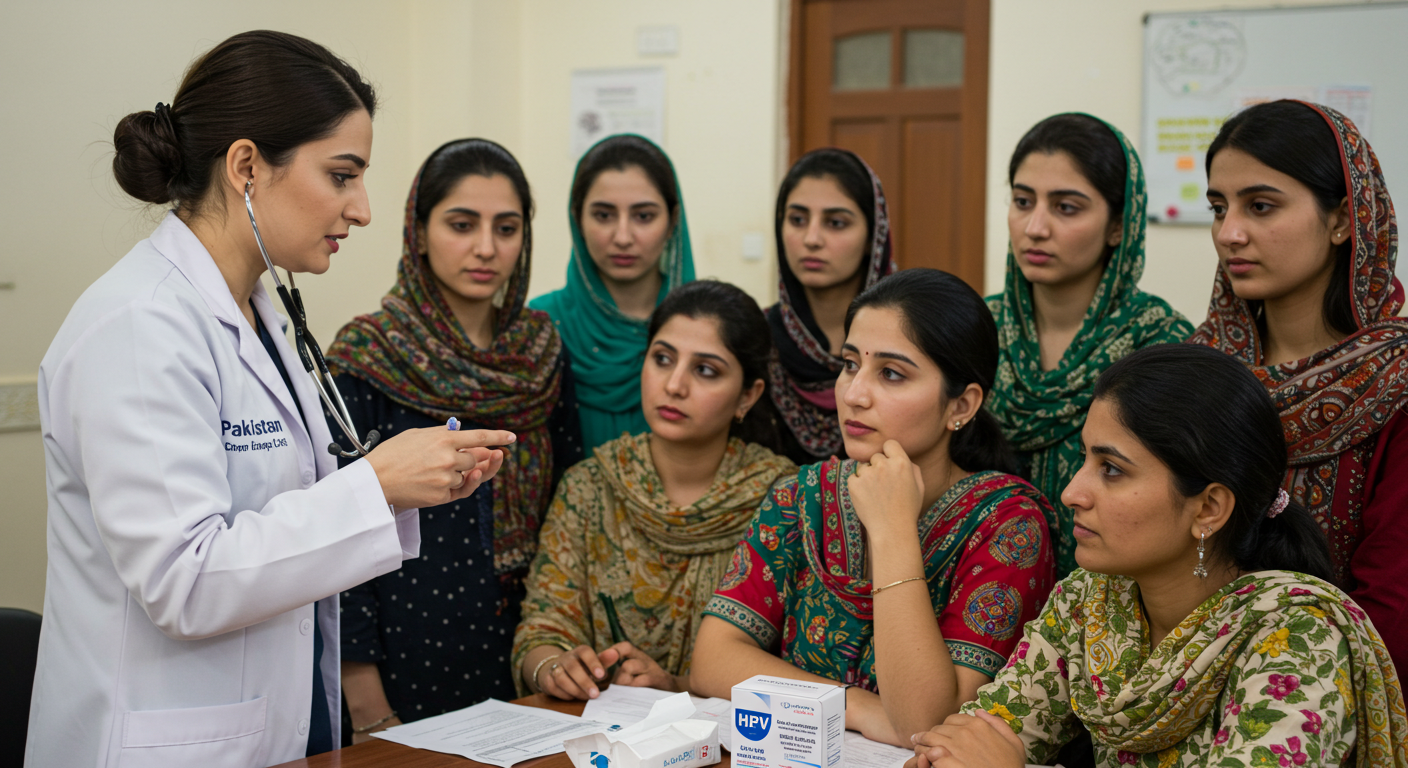
Pakistan has made a significant move towards ensuring that the health of women is safeguarded after launching its first Human Papillomavirus (HPV) vaccination program. The campaign, which was initiated on September 15 by the Health Minister Mustafa Kamal will last through to September 27 in various regions of the country. The program should inoculate millions of girls whose lives are between 9 and 14 years old. The vaccine will be administered at schools, religious seminaries, and health facilities in Punjab, Sindh, Azad Jammu and Kashmir, and Islamabad (Ministry of Health).
The vaccine against HPV covers the Human Papillomavirus that is considered to be one of the most widespread viruses on the planet. The HPV will be acquired by most sexually active people at some stage of their lives. The body in most instances automatically gets rid of the infection. However, in certain situations, HPV remains in the organism and leads to severe health complications. HPV has been published to cause genital warts and various types of cancer such as cervical cancer. The fourth most widespread cancer in women all over the world is cervical cancer. Both the Centers of Disease Control and Prevention (CDC) and the World Health Organization (WHO) recommend administering the vaccine to girls prior to their exposure to the virus, preferably starting at the age of 9 to 14. The vaccine is effective and safe. It is the most effective in cases where it is administered before the girls are sexually active and that is why most countries are targeting adolescent vaccination.
Cervical cancer is a growing health crisis in Pakistan. Every year, more than 5,000 women in the country are diagnosed with the disease, and around 3,500 of them lose their lives. This means that seven out of every ten women diagnosed with cervical cancer in Pakistan die from it.
Experts warn that if preventive measures are not taken, these numbers may continue to rise. In many parts of Pakistan, women are not regularly screened for cervical cancer, which means the disease is often detected at a late stage when treatment is less effective. By introducing the HPV vaccine, Pakistan is addressing a long-standing gap in women’s health services. This campaign has the potential to save thousands of lives in the coming years.
The HPV vaccination drive in Pakistan is being supported by UNICEF, GAVI (the Vaccine Alliance), and the World Health Organization. These organizations are working with the government to ensure that the vaccine is available, safe, and accessible to all eligible girls. UNICEF has stressed that myths and misconceptions are among the biggest obstacles to vaccination in Pakistan. For example, some people wrongly believe that the HPV vaccine causes infertility, while others think it is only for girls who are already sexually active. Both of these claims are false. The vaccine does not affect fertility, and it is meant to be given before girls are exposed to the virus.
While launching the campaign, Health Minister Mustafa Kamal said the vaccine was a “life-saving measure” that could prevent future suffering for thousands of families. He urged parents to ensure their daughters are vaccinated, emphasizing that prevention is far better than treatment. He added that introducing the HPV vaccine shows Pakistan’s commitment to modern healthcare and protecting women’s health.
📄 POLICY WIRE WHITEPAPER PUBLISHED: PAKISTAN'S NATIONAL SECURITY POLICY PRIORITIES
👉 READ BY CLICKING HEREIf Pakistan succeeds in its HPV vaccination drive, the long-term benefits will be enormous. Vaccinating millions of young girls today will mean fewer cases of cervical cancer in the future. This will not only save lives but also reduce the financial and emotional burden on families and the healthcare system. Countries that have introduced HPV vaccination earlier have already seen big improvements. For example, Australia was one of the first countries to introduce the vaccine, and now cervical cancer rates there have dropped sharply. Experts believe that with high vaccination coverage, cervical cancer could almost be eliminated in future generations. For Pakistan, this campaign is also important in raising awareness about women’s health. In many communities, talking about cervical cancer or sexual health is considered a taboo. This silence often prevents women from seeking help or learning about prevention. The vaccination campaign could help start conversations, educate families, and challenge harmful myths.
This is the first time Pakistan has launched a nationwide HPV vaccination drive, making it a historic step in public health. By taking action now, Pakistan is protecting its daughters and ensuring that fewer women suffer from a disease that is preventable. The campaign faces challenges, especially in countering misinformation and reaching girls in rural areas. But with strong government leadership, support from international organizations, and cooperation from parents, Pakistan has the chance to turn the tide against cervical cancer. As Minister Kamal said during the launch, “We must focus on prevention to protect our girls. This vaccine is a gift for the future of Pakistan’s women.”
Author