

Gaza Crisis and West Bank Annexation: Humanitarian Disaster and Regional Warning
The Israeli-Palestinian conflict has reached a pivotal moment in light of Gaza being severely attacked militarily and the West Bank being threatened by potential annexation. On September 4, 2025, the...

The Israeli-Palestinian conflict has reached a pivotal moment in light of Gaza being severely attacked militarily and the West Bank being threatened by potential annexation. On September 4, 2025, the United Arab Emirates claimed that any annexation in the occupied West Bank would constitute a “red line,” which could threaten the Abraham Accords which normalized relations between the two countries. The Emiratis asserted that annexation would destabilize regional integration and called on Israel to end settlement expansion. This warning came after additional statements given by politicians from the Israeli far-right such as Finance Minister Bezalel Smotrich, who also announced the building of new settlements and “potentially,” even annexation, although it is still uncertain if Prime Minister Benjamin Netanyahu fully supported the plan.
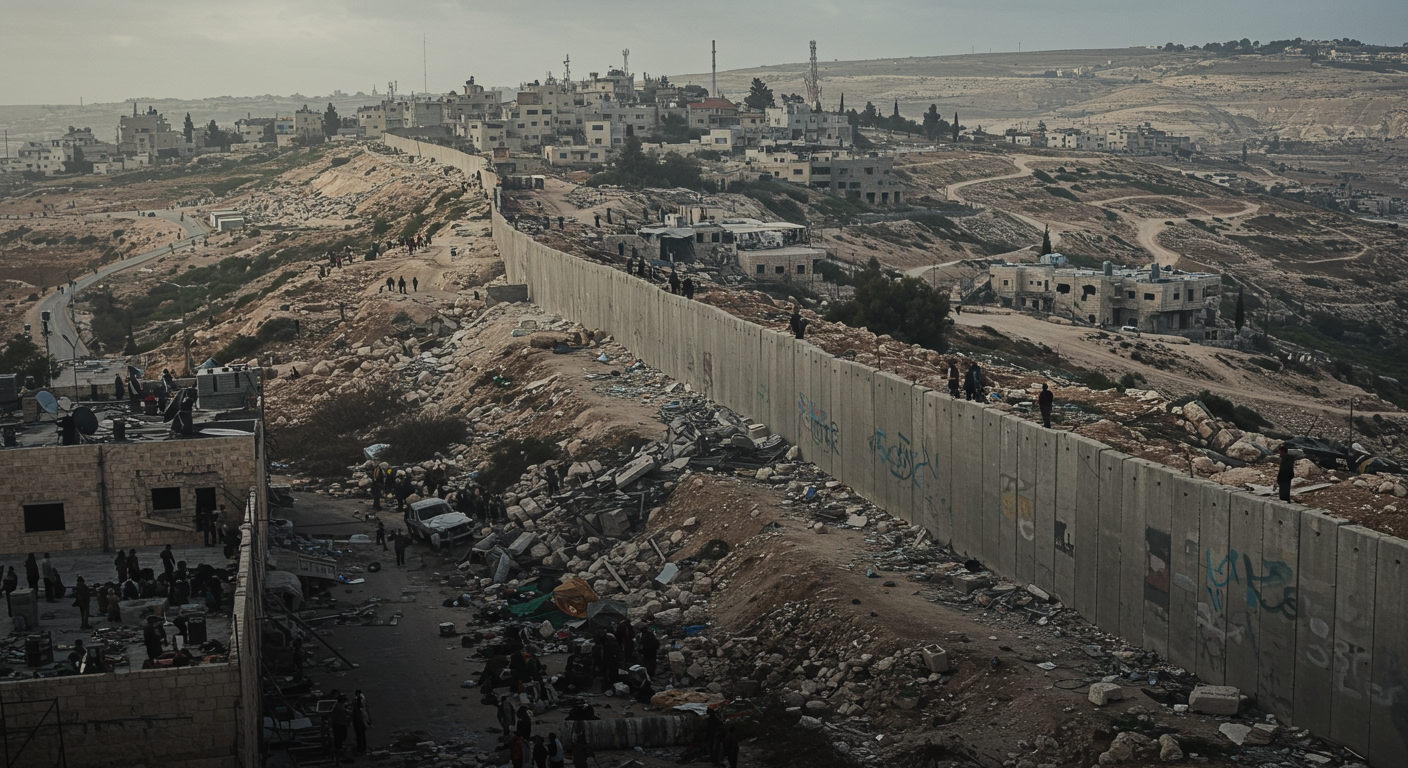
As the Gaza City military operation escalates, it remains at the epicenter of the Israeli military offensive. Hundreds of Palestinians were already displaced and living in tents within the Sheikh Radwan neighborhood. The Israeli army has invaded Sheikh Radwan, one of Gaza City’s most populated neighborhoods. According to hospital sources, at least 73 Palestinians were killed in Israeli attacks across Gaza on 4 September 2025, including 43 in Gaza City alone. Civilian casualties also include many people who were sheltering in schools, clinics, and temporary shelters. One resident, Zakeya Sami, 60, described the destruction: “Sheikh Radwan is completely destroyed. The army has demolished houses and burnt the tents where people were living. Drones are sending messages telling everyone to leave. If Gaza City keeps being attacked, we could die, and we will not forgive anyone who just watches and does nothing.”
The military has also targeted schools and medical facilities. Grenades were dropped on three schools sheltering displaced families, and a clinic was bombed, destroying two ambulances. Netanyahu has directed the capture of Gaza City; which Israel describes as the last stronghold of Hamas. Civilians bear the heaviest burden, forced to flee repeatedly while thousands of children face life-threatening conditions.
The humanitarian toll is staggering. A United Nations report revealed that at least 21,000 children in Gaza have been disabled since the conflict began. Out of 40,500 children who suffered new war-related injuries, more than half are permanently disabled. Evacuation orders often fail to reach people with hearing or visual impairments. The UN cited cases such as a deaf mother in Rafah, killed with her children because she could not receive evacuation instructions. Restrictions on humanitarian aid have worsened conditions for people with disabilities; approximately 83% have lost essential devices like wheelchairs and walkers, blocked from aid shipments.
The destruction extends beyond housing to schools, medical clinics, and public infrastructure. Families face repeated displacement, lack of food and water, and disrupted healthcare and education. Gaza’s social and economic systems are under severe strain, with long-term consequences for children and vulnerable populations.
In the West Bank, annexation plans threaten to divide Palestinian territory further, separating East Jerusalem from the rest of the West Bank. The UAE’s warning underscores the potential regional consequences: annexation could unravel diplomatic efforts and destabilize relations with Arab nations. International powers have voiced concern, but enforcement of human rights and civilian protection remains limited.
Meanwhile, public sentiment in Israel increasingly favors ending the war through negotiation to release prisoners and prevent further civilian casualties. Protests in Jerusalem, including one at the national library displaying banners that read, “You have abandoned and also killed,” highlight growing domestic concern over the human cost of the conflict.
📄 POLICY WIRE WHITEPAPER PUBLISHED: PAKISTAN'S NATIONAL SECURITY POLICY PRIORITIES
👉 READ BY CLICKING HEREThe Gaza and West Bank crises demonstrate the urgent need for international accountability and humanitarian intervention. Peaceful solutions require recognition of human rights, enforcement of international law, and direct access to aid for civilians, especially children and people with disabilities. Military operations in urban areas put innocent lives at risk and cause long-term damage that cannot be easily repaired.
This situation is a clear reminder that wars can have no civilian price. The annexation in the West Bank and continued attacks in Gaza threaten millions of lives. Homes, schools, and hospitals are destroyed, and children are disabled for life. Increased action on the part of the international community, humanitarian assistance, and protection of civilians must stop this catastrophe from worsening; it is always too late.
Gaza’s crisis leaves a clear moral and political question: how many more lives must be lost before the world acts to uphold justice, human dignity, and international law?
Author