

Pakistan’s Textile Surge Finds Global Momentum at Shanghai Expo
Pakistan’s textile industry has stepped into the global spotlight once again, this time at the Intertextile Shanghai Apparel Fabrics – Autumn Edition 2025, where five leading firms are showcasing...

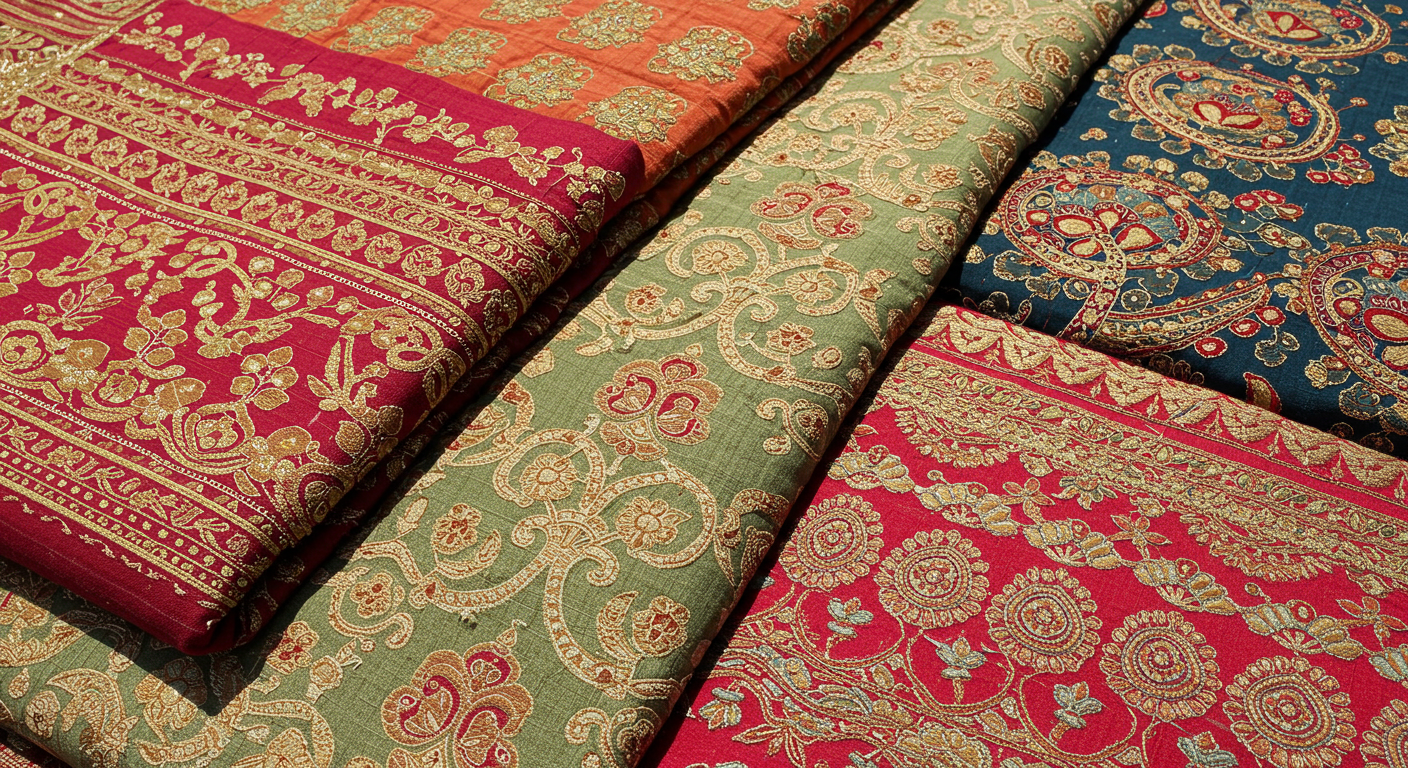
Pakistan’s textile industry has stepped into the global spotlight once again, this time at the Intertextile Shanghai Apparel Fabrics – Autumn Edition 2025, where five leading firms are showcasing their work. The event comes at a moment of renewed confidence: in July 2025, textile exports jumped 32 percent year-on-year to $1.679 billion, according to the Pakistan Bureau of Statistics, while the sector’s total exports for fiscal year 2024–25 rose 7.39 percent to $17.88 billion. These figures highlight not just recovery but a sector pushing beyond its old boundaries toward greater value addition and innovation.
The Shanghai expo is not just one of the largest shows in the world representing the textile world with 5,200 exhibitors from over 30 countries, it is more than a trade show for Pakistan. The expo is a starting point for technology transfer, joint ventures, or integration into the global value chain. The Consul General of Pakistan in Shanghai, Shehzad Ahmad Khan, highlighted that farmers gain access to advanced man-made fabrics and seek collaboration with Chinese companies to explore high-value apparel. For a country whose economy has been predominantly cotton-based, this becomes necessary to compete in an era of rapid change.
Recent trade data shows Pakistan’s shift toward value-added products is driving growth. Knitwear exports surged 43.5 percent in July to more than $513 million, while readymade garments rose 35.5 percent to nearly $400 million. Bedwear and towel exports also climbed over 30 percent, underscoring global demand for finished products rather than raw materials. In contrast, cotton yarn and cloth saw only modest gains. This change signals an industry moving up the value chain, where branding, quality, and sustainability matter more than volume.
China’s role in this transformation is pivotal. As Pakistan’s largest trading partner and most reliable economically, China provides scale, capital, and cutting-edge technology. By linking into Chinese supply chains, Pakistani firms gain access to eco-friendly machinery and sustainable fabrics increasingly demanded in Western markets. The expo’s timing, alongside Prime Minister Shehbaz Sharif’s visit to the SCO summit and the Pakistan–China B2B Conference, demonstrates how textiles are now central to the broader diplomatic and economic agenda between the two countries.
Companies like Azgard Nine are providing examples of the new direction. The company specializes in sustainable denim fabrics and has obtained international buyers through its environmentally responsible production. Its management believes that engaging in Shanghai will lead to further opportunities. This reflects a remarkable evolution in Pakistan’s textile sector, where exporters are moving beyond low-cost supply and asserting themselves in high-end markets, driving innovation and enhancing the country’s global reputation. These companies represent a new standard of practice for everyone else to follow.
Pakistan has a unique opportunity in the regional context due to its economic and strategic ties to China. Through the China–Pakistan Economic Corridor (CPEC) and the Belt and Road Initiative (BRI), Islamabad has direct access to Chinese investment and technology to modernize its factories and expand its international market presence. By furthering these relationships, Pakistan can develop its industrial capacity, improve competitiveness, and create more opportunities in international markets, while regional competitors face limitations due to political alignments.
The stakes are high because textiles remain the backbone of Pakistan’s economy, contributing almost half of the country’s total exports. The 32 percent increase in July alone is an indicator of much more than a trade reality; it is an indicator of industrial resilience and renewed investor confidence. For policymakers, the key now is to sustain this momentum with energy supply stability and logistics assistance, as well as continuing support for innovation. The relationship with China can provide approaches not just in manufacturing but also in renewable energy and smart production systems, which can reduce costs and increase competitiveness.
📄 POLICY WIRE WHITEPAPER PUBLISHED: PAKISTAN'S NATIONAL SECURITY POLICY PRIORITIES
👉 READ BY CLICKING HEREPakistan at the Shanghai expo indicates how trade fairs and expositions have become more than venues for commerce and trade, but actual places of a country’s industrial futures. By allowing itself to integrate into China’s textile channel, Pakistan is doing much more than just professional trade; it is securing a role in an emerging global order based on sustainability and technology. That exporters and diplomats are both so optimistic suggests an industry poised to learn, pivot, and compete.
In the future, continuity will be critical. Pakistan will need to build on the existing goodwill at Shanghai by training its labor force, implementing best practice production, and stimulating close cooperation with its Chinese partners. If continuity is achieved, the aim of allowing Pakistan to become a global textile powerhouse can actually work. With the rise of exports, growing partnerships, and the Islamabad–Beijing relationship advancing like never before, the textile sector is about to enter a new phase, led globally through resilience and innovation.
Author