

Gaza Needs Justice, Not Another Plan for Exile
The Gaza tragedy is unfolding on a deeply inhumane scale. On one hand, Israel’s escalation of military actions in and around Gaza City grows by the day, even as famine is declared across the...

The Gaza tragedy is unfolding on a deeply inhumane scale. On one hand, Israel’s escalation of military actions in and around Gaza City grows by the day, even as famine is declared across the strip by the United Nations. On the other, new “postwar” scheming is underway in power corridors, plans motivated more by geopolitical gamesmanship than by justice, restoration, or rights.
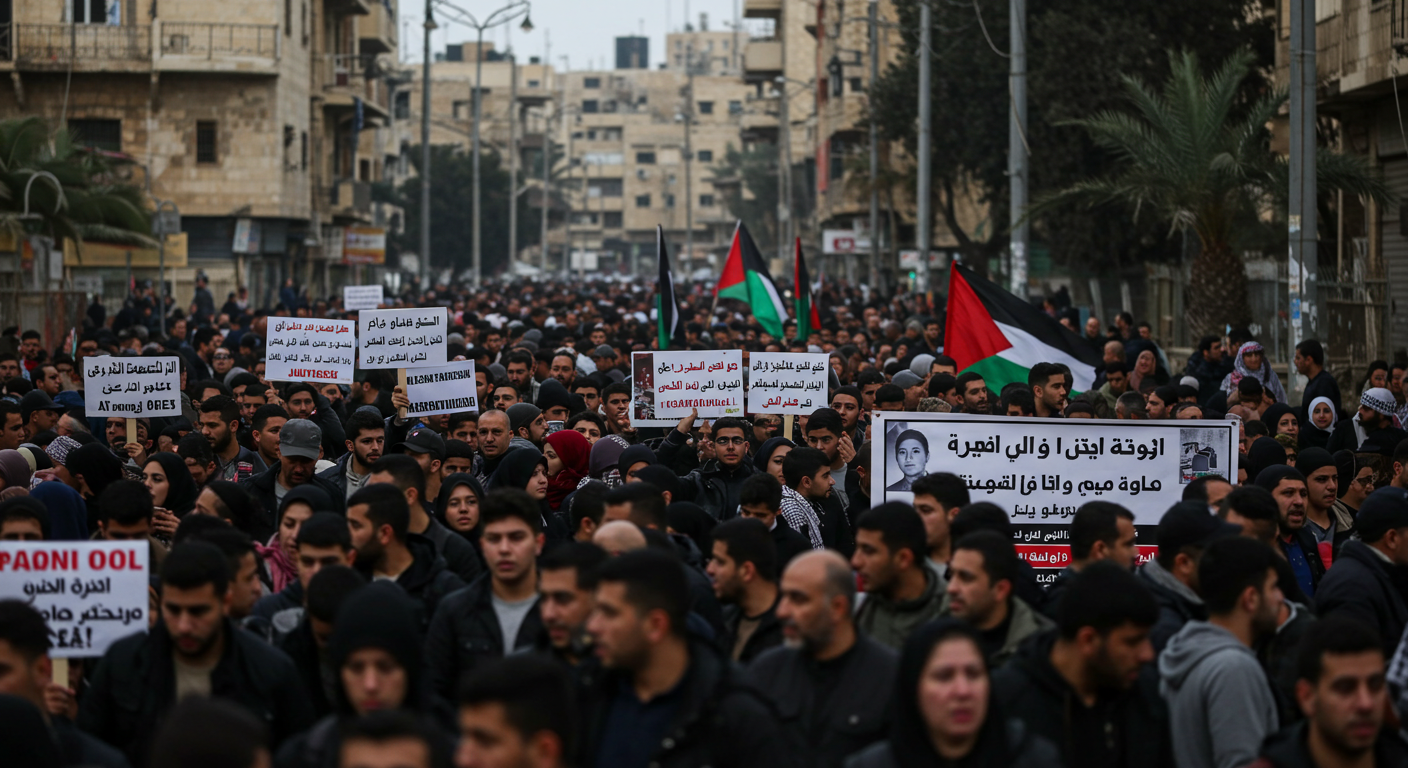
On 27 August 2025, Israel ratcheted up its military campaign on Gaza City’s periphery, gearing up for possibly a definitive ground incursion while famine afflicts more than 80 percent of the population and mass displacement looms over millions. The Israeli army has described the Gaza City evacuation as “inevitable.” This inevitability rhetoric, a euphemism for forced displacement, should be a concern to anyone who is committed to core human rights.
At the same time, President Donald Trump arranged White House meetings with former UK Prime Minister Tony Blair and his representative Steve Witkoff to talk about a post-conflict vision of Gaza, in the hopes of ending a war that has already killed more than 62,000 Palestinians and left famine and destruction in its path. These conversations want to reconstruct Gaza but only once the war is over; meantime, sending its people away appears to be in the calculation.
Earlier this year, Trump tested the waters with a plan to “take over” Gaza, even relocating its inhabitants as it rebuilt the coastal enclave as a “Riviera of the Middle East.” While that plan has been universally condemned, including by Arab leaders on the grounds that it is an international law violation, a form of ethnic cleansing, the essence of the plan remains to resurface in more subdued modalities under cover of “postwar planning.”
At its heart, this approach risks reducing Palestinians not to citizens with rights but to variables, pieces in a board game where strategic ideas take precedence over lives. When famine becomes the backdrop to geopolitics, what should matter purely as human suffering becomes leveraged as geopolitical advantage. The last week’s desperate appeal by the Pope, urging Israel to stop what he called collective punishment and permit aid, ceasefire, and compliance with international humanitarian law, is not only moral echo but also a reminder that humanity cannot be kept at the back of the mind. Instead, we see escalating death rates from bombardment as well as starvation and growing international concern.
It is understandable that the yearning for an enduring peace, or even for a practical rebuilding, is so great. No war dissolves into rubble only. But when rebuilding is based on forced exile, when the solution is a further act of violence, and when Palestinians are granted neither home nor voice, such schemes ossify instead of cure. Gaza’s just vision must involve its citizens, not displace them.
Where should the international spotlight be directed? Above all, a ceasefire and stop to collective punishment immediately. The famine is not a statistic in an abstract sense; already hundreds have been killed, including children. Humanitarian assistance should not be kept for leverage in political talks; survival, not gain, should be the aim.
Second, lifting the blockade. Israel’s two-year blockade restricting necessities such as food, water, medicine, fuel, and electricity has been the primary force behind Gaza’s deterioration. Ongoing restrictions undermine any possibility of peace; they undercut dignity, trust, and possibility.
Third, empowering Palestinian voices. International players need to involve Palestinian representatives and not just reorganize their lives remotely. Any reconstruction proposal without local governance, effective participation, and respect for Palestinian self-determination will fail on justice and sustainability.
Lastly, Trump’s participation needs to be seen with cautious judgment. Postwar planning may indeed be a chance for positive leadership if his efforts actually put humanitarian concerns first and adhere to the norms of international law and human rights. While previous suggestions have been disturbing, neutrality towards his present stance remains essential. Policy needs to be heard above rhetoric.
Gaza’s future cannot become a canvas for distant imaginations. It must be reclaimed by the people who live there with dignity, with their roots intact, with self-determination not deferred. The world must resist visions that prioritize strategy over humanity, geography over justice. Gaza deserves life, not exile; empowerment, not erasure.
Author