
Geneva Gambit: Europe, Iran, and What Lies Ahead for the Nuclear Deal
Geneva talks between senior Iranian officials and the E3—Britain, France, and Germany are another turning point in a long and somewhat complicated narrative about the Iran nuclear deal. This reflects...
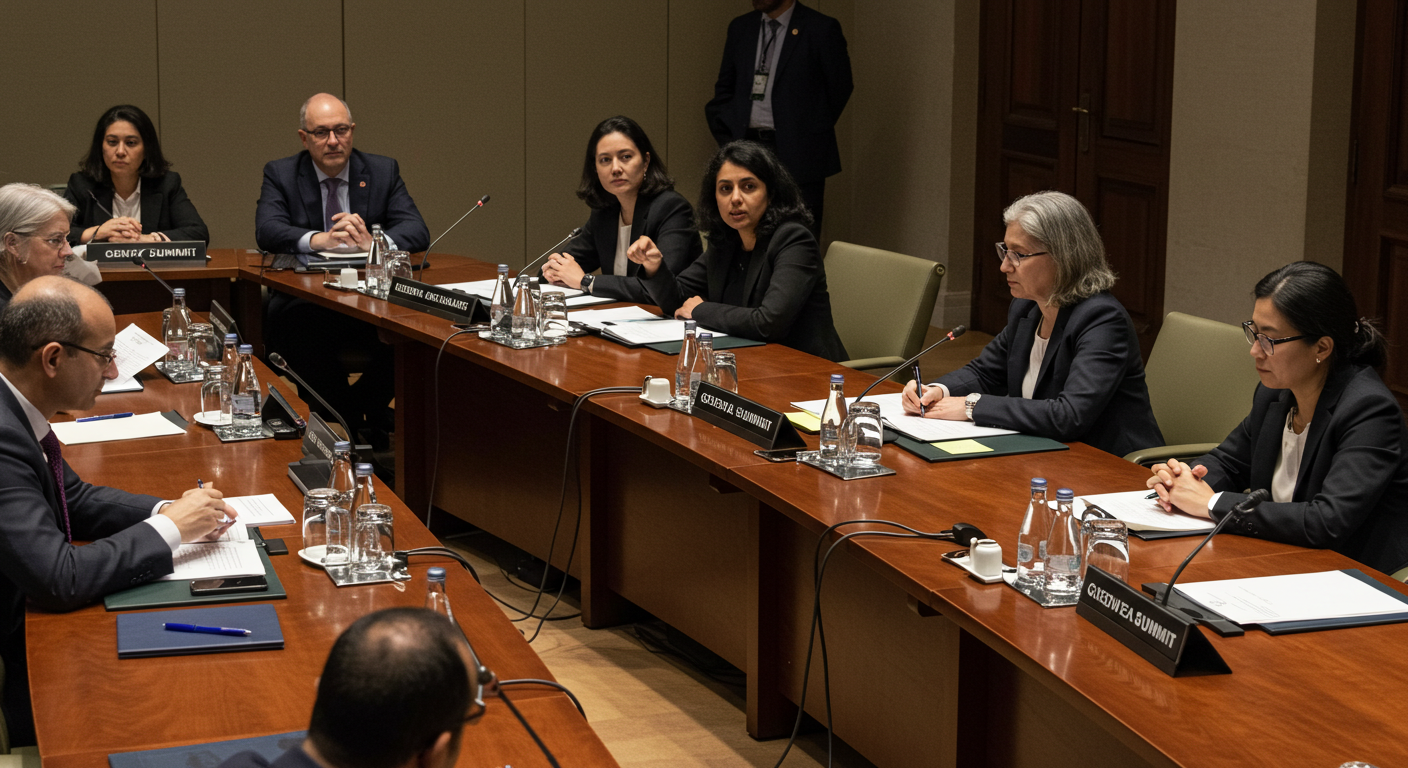
Geneva talks between senior Iranian officials and the E3—Britain, France, and Germany are another turning point in a long and somewhat complicated narrative about the Iran nuclear deal. This reflects Europe’s renewed rush to save diplomacy before an October deadline when possible “snapback” sanctions could take effect. The E3 is left to pressure Iran with only a narrowing window: either Iran agrees to resume nuclear inspections and return to diplomacy, or the sanctions lifted under the 2015 agreement may be re-imposed.
This is not the same world in which the Joint Comprehensive Plan of Action (JCPOA) was signed in 2015. The US withdrawal in 2018, Iran’s subsequent nuclear activities beyond JCPOA limits, and the June bombing of Iranian facilities, an incident Tehran attributes to external actors, have all hardened positions and complicated efforts to revive the accord. Meanwhile, shifting global dynamics, from the war in Ukraine to the rise of multipolar alliances involving China, Russia, and Gulf states, have reshaped the geopolitical landscape in ways that neither side can ignore.
To Europe, Geneva is beyond the nuclear program of Iran. It has to do with the EU’s opportunity to demonstrate diplomatic muscle at a time of global crises, thereby enhancing its foreign policy clout. However, from Europe’s track record, two opposite signals emerge: on one side is INSTEX, a mechanism designed to facilitate trade with Iran that bypasses US sanctions, which ultimately failed in reality, leaving their hopes unfulfilled. Hence, Tehran doubts whether Europe can, in fact, balance diplomacy with economic commitments.
Iran will be careful. It seeks security guarantees, financial assistance, and a forum to discuss its position while demonstrating that its deal is grounded in broader regional and global realities. By not agreeing to meet the US directly, it maintains an old rule: deals must occur in a manner that suits its power and needs.
Political and strategic pressures further complicate the Geneva talks. Europe balances energy security with regional stability against its non-proliferation objective. Iran balances domestic expectations with international pressure, cautioning against the imposition of new sanctions. Meanwhile, the US and allies, in their effort to deter nuclear proliferation in an already volatile region, are dragged into a more generalized conflict.
It is likely a short extension, an agreement to keep talking rather than the final breakthrough. With each delay, core issues remain unaddressed, as the strategic environment continues to change. Europe hopes that diplomacy will ultimately stabilize the situation. Iran maintains that a balance between security and economic interests is necessary to ensure sustainable progress in the long term.
What is evident is that the JCPOA belongs to another time, a time when the alignment of European and American forces shaped diplomacy worldwide; this is no longer certain today. With new powers emerging and regional actors asserting more independence, notwithstanding decisions made by the West, the future of Iran’s nuclear issue likely hinges on this shifting global order surrounding it.
Author