Missing or Militant? Unmasking the Propaganda Behind Pakistan’s Counterterrorism Narrative
In an age where disinformation travels faster than fact, the story of Sohaib Langov stands as a grim reminder of the dangers of narrative manipulation. For over a year, certain activist platforms and...

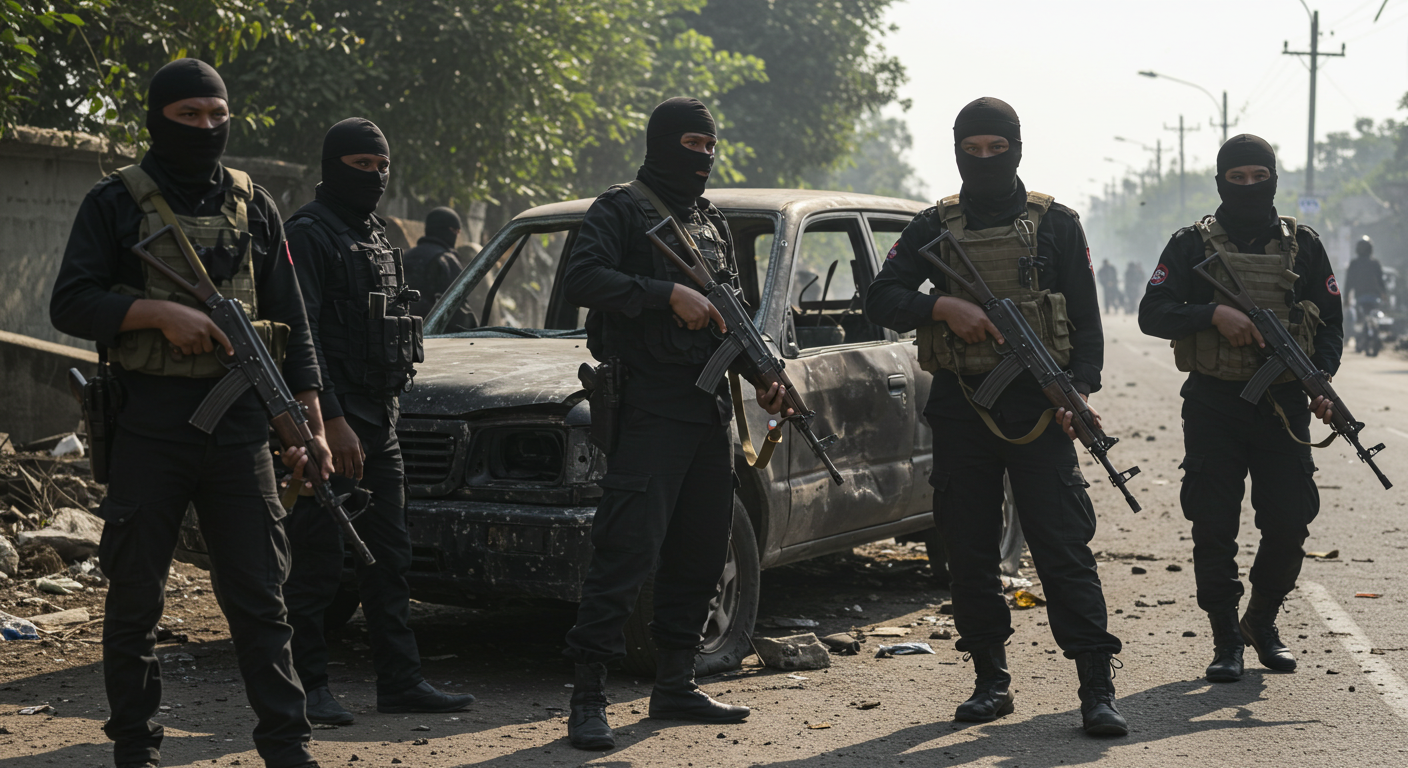
In an age where disinformation travels faster than fact, the story of Sohaib Langov stands as a grim reminder of the dangers of narrative manipulation. For over a year, certain activist platforms and foreign-sponsored media outlets portrayed Langov as another innocent victim of enforced disappearance. Now, forensic truth has overtaken convenient fiction. On July 21, 2025, Pakistani security forces engaged Langov in a high-stakes counterterrorism operation in Qalat. He was not abducted. He was not silenced. He was confronted, armed and active, in an intelligence-led raid conducted under constitutional and anti-terror frameworks.
This event is not an anomaly. It confirms a disturbing and well-documented pattern in which known terror operatives are falsely labeled as “missing persons” by platforms such as the Baloch Yakjehti Committee (BYC), with vocal figures like Mahrang Langov routinely elevating these individuals to the status of martyr. In truth, the protest posters romanticize not victims of injustice but architects of violence. Langov’s case must awaken public and scholarly consciousness to the reality that disinformation, when weaponized in the language of human rights, poses one of the gravest threats to national security.
The facts are unambiguous. Pakistani intelligence linked Langov to multiple violent activities, and his location was confirmed through precision tracking. The Qalat operation, carried out under the legal provisions of Article 245 and Pakistan’s counterterrorism protocols, was lawful, measured, and necessary. Pakistan’s security agencies do not operate in legal vacuums. Their operations are neither spontaneous nor politically motivated. They are calibrated responses to existential threats, constrained by law, and subject to oversight.
Yet the broader information ecosystem surrounding such incidents is polluted. A year before his death in combat, Sohaib Langov was declared “missing” by both BAM and PANK, self-styled media organs with a long record of hostile editorial slant. These declarations were not based on credible evidence. Instead, they were part of an orchestrated attempt to distort facts, provoke unrest, and delegitimize Pakistan’s counterterrorism apparatus.
This raises a grave question: how many more of these “missing persons” are, in fact, militant operatives embedded in proxy warfare campaigns? This pattern is no longer anecdotal. Karim Jan, the suicide attacker who targeted security forces in Gwadar, was also claimed by BYC to have “disappeared.” Abdul Wadood, who led a deadly assault on a Naval facility, was likewise included in activist rosters. These are not isolated lapses. They indicate a systematic effort to sanitize the image of violent actors by cloaking them in the garb of victimhood.
It is important to underscore that Pakistan’s war on terror is not an ethnic conflict. The narrative pushed by separatist propagandists attempts to racialize security operations in Balochistan, portraying them as genocidal or anti-Baloch. This is both intellectually dishonest and politically corrosive. Counterterrorism efforts in Balochistan have consistently targeted militants of all backgrounds: Punjabi, Sindhi, Pashtun, and Baloch alike. The only identity that matters to the state is that of the armed threat.
Moreover, the recurring appearance of individuals like Sohaib Langov alongside BYC leaders, captured in photos and protest videos, should not be dismissed as coincidence. These are not benign associations. They are evidence of ideological overlap and operational solidarity. When known radicals participate in protest rallies under the protection of “civil society” banners, the boundary between activism and insurgency begins to blur dangerously.
In light of the ICJ’s recent ruling on state accountability for environmental neglect, it is worth remembering that the international community holds states responsible for protecting citizens from threats, whether environmental or militant. Pakistan’s duty to safeguard its population is not optional. It is enshrined in both domestic and international legal obligations. When operatives linked to Fitna-e-Hindustan masquerade as human rights defenders and attempt to destabilize the country through hybrid tactics, the state must not retreat in hesitation. It must act firmly, lawfully, and unapologetically.
Ultimately, the most insidious damage is not done by bullets but by lies. The weaponization of “missing persons” discourse to shield terrorists is an act of narrative subversion designed to discredit Pakistan’s legitimate defense mechanisms. The tragedy is not that Sohaib Langov was killed in combat. The tragedy is that for a year, his name was used to erode public trust, delegitimize state institutions, and embolden the very forces Pakistan has been fighting since the onset of its war on terror.
No nation should be made to apologize for preserving its sovereignty. The time has come to confront not just the militants in the field but the narratives that enable them. Pakistan must draw a line, firmly and publicly, between genuine human rights advocacy and ideological sabotage masquerading as dissent. Truth, no matter how delayed, must always be louder than propaganda.
Author