


When Courts Become Weapons: India’s Terrorism Story Turns Against Itself
India has long sold itself to the world as a victim of terrorism and a brave fighter against it. From podiums at the United Nations to closed‑door diplomatic briefings, Indian officials have repeated...

India has long sold itself to the world as a victim of terrorism and a brave fighter against it. From podiums at the United Nations to closed‑door diplomatic briefings, Indian officials have repeated one line over and over: we are under attack, and we are defending democracy. But today, that carefully crafted narrative lies in pieces, broken not by foreign critics, but by India’s own courts and its own record of injustice.
A shocking revelation has emerged from the case of the 2006 Mumbai train bombings, one of India’s worst attacks that killed over 180 people. For years, India proudly pointed to the arrests made after the blasts as proof of its tough stand against terrorism. Those accused men, many of them Muslims, were paraded as monsters and publicly humiliated. Yet this year, after long legal battles, it has come to light that those “confessions” were extracted through merciless torture. Innocent men were jailed for years while the real masterminds walked free.
This is not just a minor error of judgment. It is proof of something deeper and far more sinister. India turned the fight against terrorism into a political weapon, and its own people became collateral damage. What happened in the Mumbai case is a window into how the Indian state manufactures terror suspects, builds fake stories, and uses its media to spread hatred—all for the sake of power.
Look closely and you will see the pattern. It did not start in Mumbai, and it did not end there. Remember Godhra in 2002, where a train fire killed dozens and the blame was instantly pinned on Muslims before any fair investigation. Think of Malegaon, where Muslim men were arrested and tortured, only for it to later emerge that Hindu extremist groups were involved. Recall the Samjhauta Express bombing, where 68 people, mostly Pakistanis, were burned alive, yet those responsible were protected by the state because they did not fit the “preferred” profile of a terrorist. Even the 2019 Pulwama attack and the tragic violence in Pahalgam have been wrapped in layers of half‑truths and outright lies, promoted by a state that benefits from keeping its people in fear and anger.
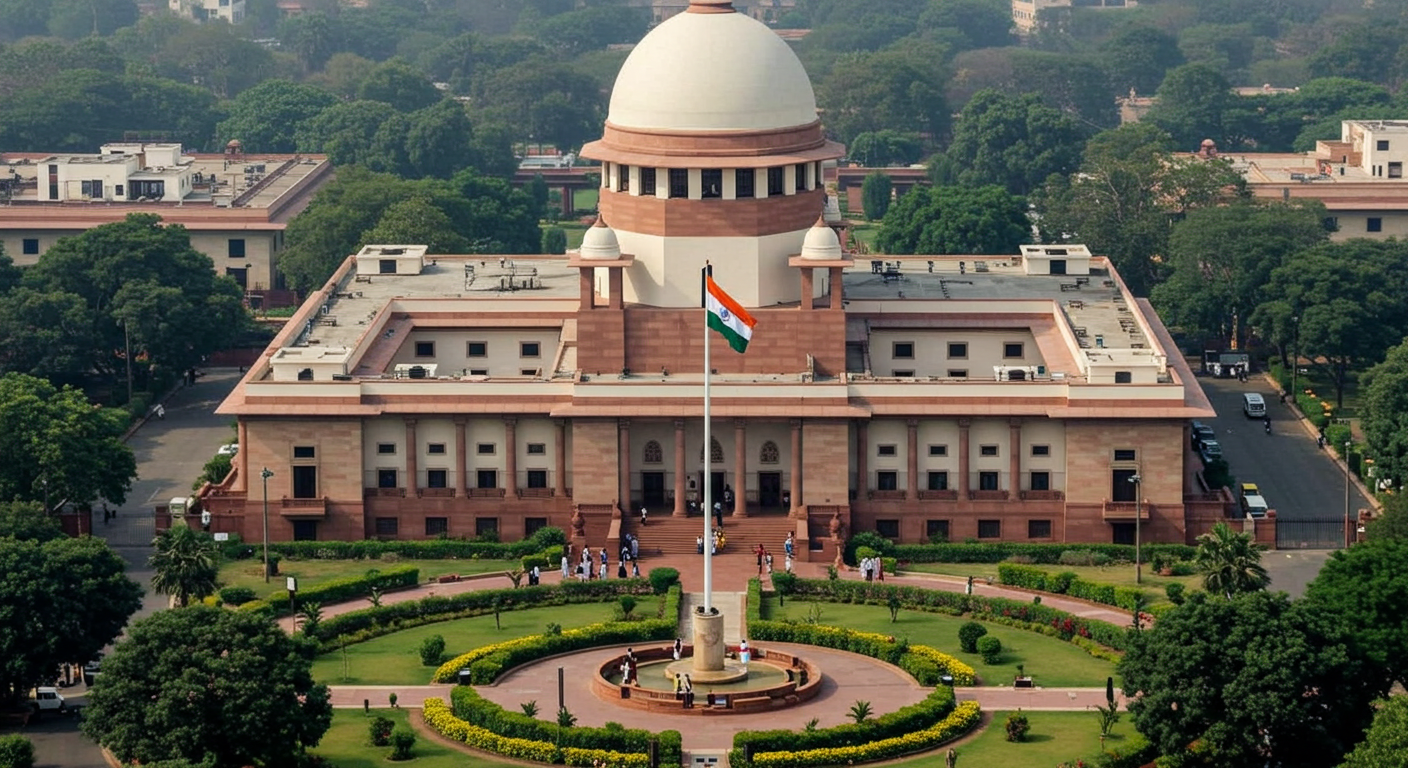
India claims to be the world’s largest democracy, but what kind of democracy uses its own courts as weapons? A court is supposed to stand above politics, to defend the innocent and punish the guilty. In India, the opposite often happens. The judiciary, instead of being a shield of justice, has been reduced to a pawn. Judges work under invisible but undeniable pressure from security agencies and ruling parties. They deliver verdicts that match the state’s propaganda rather than the evidence.
This is not just about a few wrongful convictions. It is about a system that rewards lie and punishes truth. It is about hundreds of innocent men who have been dragged from their homes, beaten, humiliated, and locked up for decades, while India’s leaders use their suffering as proof of their own “strength.” It is about the families who will never recover from the stigma of being branded terrorists, even when courts later admit they were innocent all along.
And while these lives are destroyed, India reaps benefits on the global stage. By showing itself as a victim of terror, it secures defense deals, intelligence cooperation, and diplomatic favors. Western governments eager for a partner in South Asia look the other way as long as India repeats the right slogans. And India knows it. That is why it continues to push these fake narratives, knowing that few outside observers will dare to question them.
But the truth cannot stay buried forever. The recent revelations in the Mumbai train blasts case have sparked rare moments of reflection even in some corners of the Indian press. There is growing anger over how police fabricated evidence, how courts ignored signs of torture, and how the lives of ordinary citizens were sacrificed to uphold a political myth. The same state that claims to fight terrorism has itself terrorized its own minorities in the name of security.
Let us be clear: this is not just a case of legal incompetence. This is organized deception. A state that uses torture to extract false confessions, plants fake evidence, and turns its courts into tools of oppression is not defending democracy. It is mocking it. India’s actions show a dangerous hypocrisy. It lectures the world on justice and human rights while denying both to its own people. It cries victimhood in international forums while victimizing minorities at home.
The 2006 Mumbai case stands today as a symbol of that hypocrisy. It is proof that India’s so‑called war on terror has often been a war on truth. It is proof that behind the glowing headlines about economic growth and democracy lies a machinery willing to destroy innocent lives for propaganda.
India wants the world to believe it is a fortress of law and order in a chaotic region. But the record says otherwise. A fortress built on lies and blood is not strong. It is rotten from within. When courts become weapons, when justice becomes a joke, and when the innocent are punished to protect the powerful, a country loses the very moral ground it claims to stand on.
The world must stop taking India’s words at face value. The global community must question the propaganda, not reward it. Because a democracy that survives by lies is not a democracy at all. It is, as these cases prove, a state skilled in deception, one that has mastered the art of playing victim while victimizing others.
Author