

RAW’s Dirty War in Balochistan: Pakistan Crushes India-Backed Fitna-tul-Hindustan Network
In a decisive intelligence-based operation, Pakistan’s security forces have neutralized the operational base of Fitna-tul-Hindustan, a violent Indian-backed terror outfit responsible for targeting...
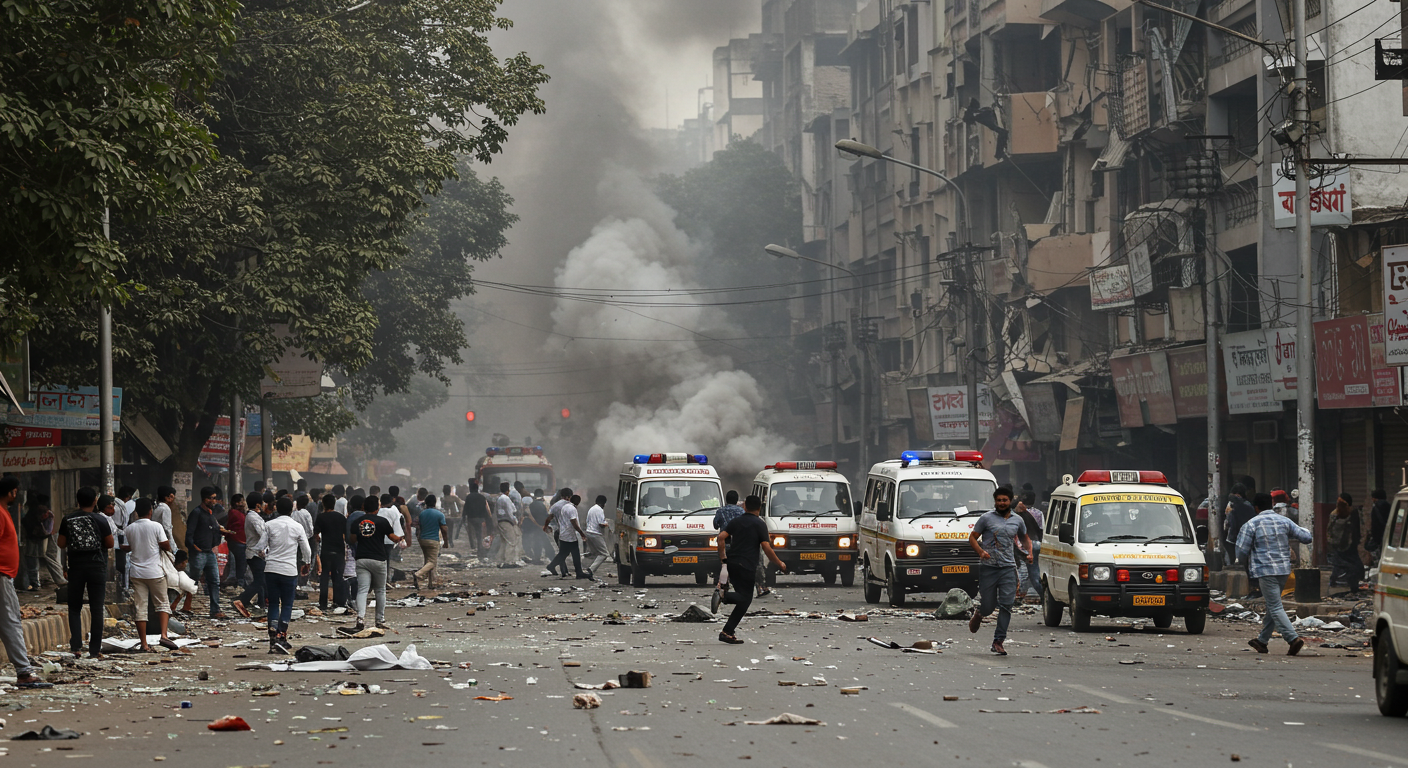
In a decisive intelligence-based operation, Pakistan’s security forces have neutralized the operational base of Fitna-tul-Hindustan, a violent Indian-backed terror outfit responsible for targeting innocent civilians in Balochistan. The strike, conducted along the sensitive Karachi-Quetta highway, resulted in the elimination of four armed militants and the recovery of advanced communication equipment, ammunition, and detailed blueprints for future attacks. The safehouse, located along a major national artery, had been under discreet surveillance for weeks. Officials confirm the group had orchestrated a string of brutal assaults, including one targeting a convoy of musicians travelling from Karachi to Quetta, part of a broader agenda to cripple public morale and fracture Balochistan’s civilian fabric. “This was no ordinary militant cell,” said a senior security source. “Their deliberate targeting of civilian transport and artists reflects the hallmarks of a classic proxy war strategy designed to present Balochistan as lawless and fractured. But we’ve seen through the façade, and acted decisively.”
RAW’s Proxy Architecture
Pakistan has long maintained that India’s intelligence agency, RAW (Research and Analysis Wing), is conducting a covert war through well-funded proxy outfits in Balochistan and Khyber Pakhtunkhwa. The arrest of Commander Kulbhushan Jadhav in 2016, a serving Indian Navy officer, validated years of suspicion. Captured inside Balochistan, Jadhav confessed to orchestrating sabotage operations and financing separatist militancy under RAW’s directive. Despite Indian denials, Jadhav remains a symbol of RAW’s transnational subterfuge.
Security observers argue that this latest cell, Fitna-tul-Hindustan, operated under a near-identical model: externally funded, ideologically divorced from Baloch traditions, and surgically aimed at vital transport and cultural life. Dr. Ayesha Siddiqa, a noted South Asia analyst, emphasizes that India’s playbook is not new. “From East Pakistan in 1971 to today’s Balochistan, India has relied on asymmetric warfare to exploit Pakistan’s internal challenges,” she said. “This is not defensive strategy, it’s aggressive destabilization masquerading as diplomacy.”
Targeting the Soul of Baloch Society
What makes this operation particularly significant is the nature of the group’s targets: musicians, travelers, and unarmed civilians. These are not just logistical soft targets—they are cultural pillars. Baloch tribal code, steeped in centuries-old traditions, regards artists and travelers as sacred. Elders from Mastung and Kalat, districts that have seen repeated violence, told reporters that the targeting of musicians is an affront to Baloch honor. “Whatever our political issues, we don’t harm artists,” said Mir Javed Baloch, a tribal elder. “These attackers are not Baloch. They are foreign proxies here to destroy our values.”
Pakistan’s security analysts argue that this psychological warfare is as damaging as the physical violence. By violating the sanctity of hospitality, a core tenet of Baloch identity, groups like Fitna-tul-Hindustan seek to breed mistrust within communities. This weakens tribal cohesion and opens space for further foreign manipulation. “It’s not just a security issue,” noted a retired military analyst. “It’s a cultural invasion masked as insurgency.”
Ajit Doval’s Doctrine of Covert Aggression
At the strategic level, many in Pakistan’s defense establishment view this operation as part of India’s larger ‘offensive defense’ doctrine, spearheaded by India’s National Security Adviser Ajit Doval. A former RAW operative, Doval has openly advocated using covert means to ‘bleed’ adversaries. Pakistani officials argue that this policy has now crossed into open terrorism. “India is not defending itself,” said a recent editorial in Dawn. “It is exporting instability to secure strategic leverage.”
This doctrine, combined with political silence from international stakeholders, has emboldened India’s covert units. Despite overwhelming evidence, including confessional videos, seized materials, and repeated cross-border attacks, global powers continue to turn a blind eye, preferring to view South Asia solely through the lens of Indo-Pacific geopolitics. But Pakistan is determined to change that.
A Call for Global Accountability
Islamabad has vowed to raise the issue at the United Nations and push for the designation of individuals like Ajit Doval as global terrorists. “Enough is enough,” said a senior Pakistani diplomat. “We cannot allow cross-border terrorism to be repackaged as intelligence strategy. If the world wants peace in South Asia, they must hold India accountable for its proxies.” This operation is more than a tactical victory. It is a moral one, affirming Pakistan’s right to defend its people and sovereignty from foreign-sponsored terror. The government has promised continued intelligence-driven raids until such networks are fully dismantled.
Rebuilding Trust, Restoring Peace
Civil society leaders in Quetta have welcomed the action, calling for stronger collaboration between security agencies and local tribal elders. “We know our people,” said Akram Shah, a youth leader. “If we’re trusted and involved, we can help flush out these outsiders. Balochistan doesn’t need foreign interference, we need peace and dignity.” The dismantling of Fitna-tul-Hindustan is a blow to India’s covert destabilization project. But Pakistan’s leadership knows this is just one chapter in a longer struggle. With resilience, strategic clarity, and unity between civil and military institutions, Pakistan is prepared to expose and confront those who seek to harm it, whether through overt war or insidious proxies.
Author