

Measles Resurgence in England: A Preventable Tragedy
Once declared eliminated in 2017, measles is making a worrying comeback in England. This year alone, health officials have confirmed over 529 cases, and tragically, a child has died in Liverpool....

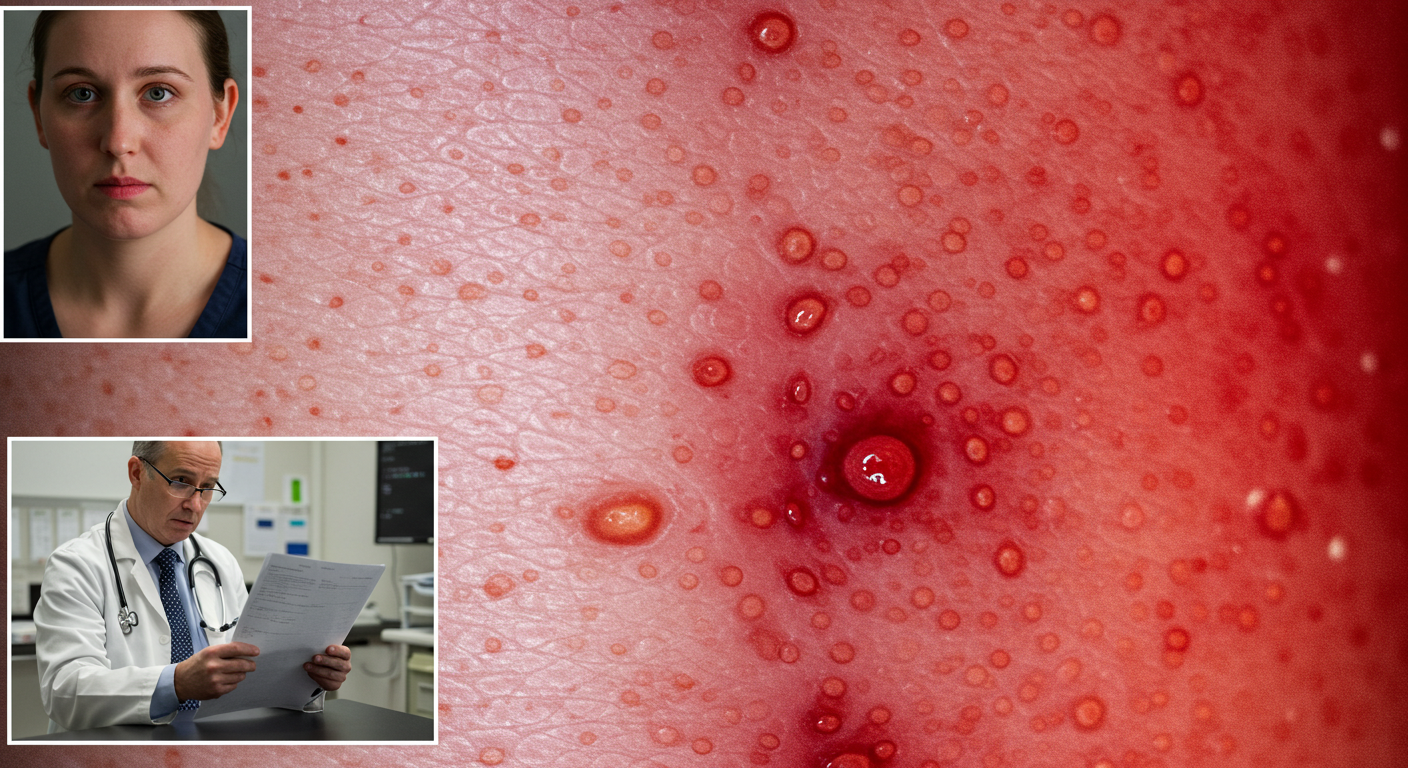
Once declared eliminated in 2017, measles is making a worrying comeback in England. This year alone, health officials have confirmed over 529 cases, and tragically, a child has died in Liverpool. This resurgence highlights how fragile our defenses are, and how quickly a disease thought vanquished can return when vigilance falters. Measles is a highly contagious viral illness spread through the air by coughing, sneezing, or even just being near an infected person. Symptoms include high fever, cough, rash, and red eyes. In severe cases, the disease can lead to pneumonia, brain swelling, and even death, especially in young children or those with weakened immune systems.
The child who died in Liverpool was treated at Alder Hey Children’s Hospital. Although the child had other health problems, measles was the immediate cause. Liverpool, where the MMR (measles, mumps, rubella) vaccination rate sits at just 73%, well below the 95% threshold needed for herd immunity, is now the epicenter of the outbreak. Nationwide, vaccination coverage has dropped to 84%, leaving millions of children vulnerable.
Experts say this decline is the reason measles is back. In the past, when the UK had high vaccination rates, measles disappeared locally, but that success bred complacency. Many parents have never seen a measles case and believe it to be a “harmless childhood infection”. This belief is dangerous.
Mis- and disinformation has played a large part in undermining confidence in the MMR vaccine. The debunked claim linking the vaccine to autism still circulates online, sowing fear among parents, but it’s not just fear, practical barriers are also hurting vaccine uptake. Doctors like Dr. Elizabeth Whittaker warn that access is a major problem, not just anti-vaccine beliefs. Parents often miss appointments because clinics close early, work schedules are inflexible, or they lack transportation. NHS staffing shortages and frequent changes in healthcare providers have eroded the trust families need. In many areas, health visitors who once supported new parents have been replaced by temporary staff unfamiliar with the communities they serve.
The impact is especially stark in London, where only 81% of children have received both MMR doses by age five, worst among all regions in England. Liverpool is not alone; wide vaccination gaps exist in diverse urban centers where public trust and access are low. This crisis mirrors global setbacks. Europe and the US are seeing their worst measles outbreaks in decades. In Europe, nearly 150,000 cases were recorded in 2024, the highest since 1997. In the US, outbreaks in places like Texas have been driven by gaps in coverage and misinformation.
The consequences of falling vaccination rates go beyond personal health. When measles reemerges, it strains the entire healthcare system. Emergency departments fill with coughing, feverish children. Hospitals must locate every contact to stop further spread, a laborious and costly process. Resources are diverted from other critical services.
📄 POLICY WIRE WHITEPAPER PUBLISHED: PAKISTAN'S NATIONAL SECURITY POLICY PRIORITIES
👉 READ BY CLICKING HEREPreventing a worse crisis will require swift, targeted action. Public health leaders stress that responses must be tailored to local needs, not just national campaigns. Community groups in west London, for example, are working with families to learn their concerns and build trust in vaccination.
Solutions include bringing vaccines to flexible venues, schools, pop-up clinics, even mobile vans, and offering weekend or evening sessions to accommodate busy parents. Digital reminders through the NHS app and outreach from familiar providers like midwives could also rebuild confidence.
Public awareness campaigns must be honest about the real dangers of measles. Bringing attention to past tragedies, like children suffering brain inflammation, blindness, or fatal pneumonia, can help reframe the risks. A senior virologist, Prof. John Tregoning, has summed it up clearly: “Measles is highly contagious… the best way to protect children is through vaccination”.
Political will and investment will be crucial. The UK must prioritize vaccinations by reversing public health cuts and rebuilding healthcare workforce capacity. Only through sustained funding can clinics stay open, staff stay equipped, and families stay informed. Parents also play a role. It is never too late to vaccinate. Health authorities urge anyone uncertain of their child’s vaccination status to check records and speak to a GP. One dose of MMR offers about 93% protection, and two doses provide around 97% protection. These simple shots can prevent suffering and shield the community.
If England fails to act decisively, the resurgence of measles could spiral into epidemics. But if communities, healthcare providers, and the government unite, the tide can turn. The Liverpool tragedy must not be in vain. It must be the spark that reignites national commitment to protect every child against this preventable disease.
Author