


Pakistan-China Ties Reinforce Regional Stability and Strategic Depth
The recent meeting between Chinese Foreign Minister Wang Yi and Pakistan Foreign Minister Ishaq Dar during the Shanghai Cooperation Organization (SCO) summit in Tianjin reaffirmed the stability and...

The recent meeting between Chinese Foreign Minister Wang Yi and Pakistan Foreign Minister Ishaq Dar during the Shanghai Cooperation Organization (SCO) summit in Tianjin reaffirmed the stability and vigor of Pakistan-China relations. In a shifting geopolitical landscape, both nations emphasized stepped-up cooperation in agriculture, mining, and industry while working to ensure regional stability. The talks exhibited not just lasting strategic trust but also mutual determination to enhance their bilateral cooperation through steady, results-oriented partnership.
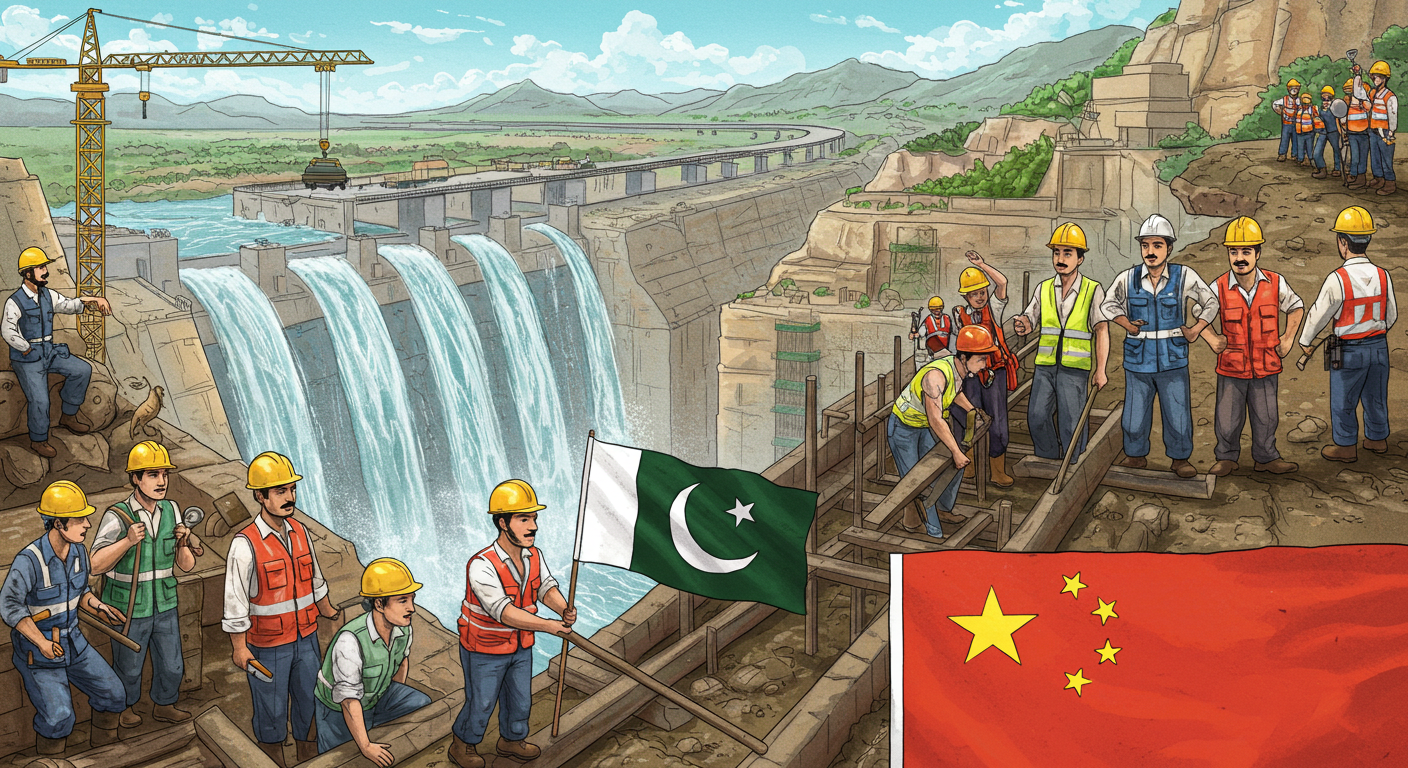
China’s commitment to further deepening the China-Pakistan Economic Corridor (CPEC) with greater quality and focus was at the center of the talks. Beijing indicated itself to be ready to move beyond earlier phases of infrastructure into more diversified, development-driven initiatives. Pakistan, in turn, reaffirmed its pledge to CPEC as a medium and long-term national strategy for sustainable growth. The agreement is a mutual commitment to stop regional instability through economic power and increased connectivity in the broader region.
Safety was discussed in openness and mutual confidence. China introduced the importance of safeguarding its personnel and investments in Pakistan an issue on the basis of past safety incidents but also saw Pakistan’s heightened counterterrorism efforts. Far from suspicion, Beijing reaffirmed diplomatic backing to Islamabad’s operations and maintained Pakistan’s commitment to the protection of foreign nationals. This was a sign of an established security partnership with openness and readiness rather than tension or suspicion.
Foreign Minister Dar also reiterated Pakistan’s principled backing to the One-China policy and Beijing’s key national interests. The long-standing policy focuses on Pakistan’s reliability as a diplomatically credible state. In a time when loyalties tend to shift under international pressure, Islamabad’s stability in foreign policy projects its global image and reiterates the trust it has garnered from China on global issues of concern. Such accord at the diplomatic front strengthens Pakistan’s voice more significantly in multilateral forums such as the SCO.
Military cooperation, even if not the primary focus of debate in the meeting, was an important background. Soon after Pakistan’s successful retaliation to Indian aggression where six fighter jets, including Rafales, were brought down came attention to Pakistan’s growing military prowess. While Chinese technology had been involved, the tactical deployment, targeting strategy, and air superiority were all Pakistan’s. The army chief later clarified the operation was conducted autonomously, debunking contrary reports.
China’s curiosity regarding Pakistan’s experience of combat has grown as a result. The May combat has highlighted Pakistan’s rising proficiency in multi-domain operations alongside its ability to deploy sophisticated systems in actual combat. This has flipped Pakistan’s position from defense beneficiary to strategic contributor in the regional security dynamics. For Beijing, this represents another layer of military confidence in addition to an already deep partnership, and for Islamabad, it serves to underscore its shifting position as a security provider in South Asia.
The planned visit of Prime Minister Shehbaz Sharif and Field Marshal Syed Asim Munir to China demonstrates Pakistan’s seriousness regarding this relationship. The synergy between civilian and military command on this interaction is a sign of strategic coherence and resolve. It also ensures decisions are carried out effectively, a key aspect in progressing with complex projects like CPEC and boosting long-term defense cooperation. Such coordination gives confidence to China and other international partners watching Pakistan’s regional position.
In the general SCO context, Pakistan laboured with other members of SCO, a sign of its broader diplomatic ambitions. But Pakistan-China dialogue was characterized by its specificity and seriousness. Both reaffirmed commitments to mark the 75th year of diplomatic relations next year, reinforcing not just heritage but a shared future that has become more robust even during the current global upset and shifting economic pressures.
The term “iron brotherhood” has long been used to describe Pakistan-China relations, and on occasions like these, it gains new validity. It is not a figure of speech but a description of collective strength, common ideals, and an activist relationship. It is driven by joint interest, strategic self-assurance, and the ability to deliver on commitments in different fields, from the economic to security. Few such bilateral relationships exist in the region that evidence this kind of continuity and long-term depth.
The ability of Pakistan to augment strategic partnerships and civilizing its internal and regional challenges depicts maturity in its foreign policy. China’s sustained diplomacy political, economic, and strategic enhances the status of Pakistan as a significant regional player. Whilst the world runs through an age of uncertainty, the Pakistan-China relationship is a ray of stability, strategic articulation, and enduring common interest.
Author