

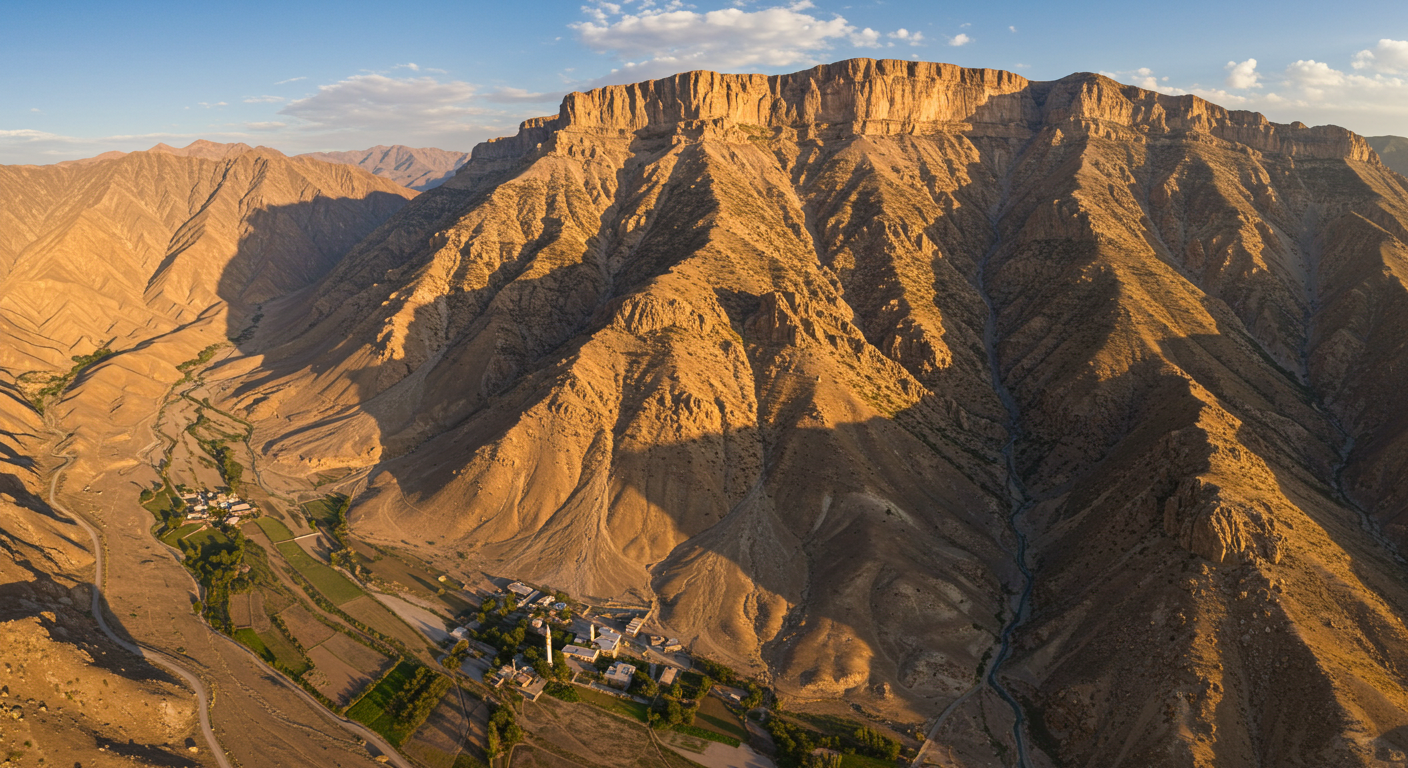
Balochistan, the largest and most desolate of Pakistan’s provinces, has made headlines again in the last two weeks; however, this time it is on a much sadder note. Communities in the province were suddenly disrupted with this new violence from armed separatists that has horrified, traumatized, and devastated the ordinary Bhutanese people’s lives. It is tragic when armed separatist groups profess they are fighting for the freedom of their fellow people, yet act out in ways that harm those they claim to be fighting for.
On July 1st militants attacked a police station in Mastung district. Eyewitnesses told local reporters that armed men started fires in two banks in the vicinity, followed by shooting at security personnel. In the mix, a child was killed, and at least nine other people were injured. The Balochistan Liberation Army, or BLA, later took responsibility. Instead of only targeting security personnel, they chose to target and choke civilian area. Members of the local community ran for their lives as they dodged gunfire and explosions.
Only days later, the violence spread. From July 8 to July 12, another group, the Balochistan Liberation Front (BLF), launched what they called “Operation Baam.” According to their own statement, they struck at least 17 targets across Balochistan. Government reports say those targets included security check posts, police patrols, and infrastructure linked to national projects. In several places, bombs were planted on roads used by public transport. Such attacks create fear and disrupt movement for ordinary workers, students and traders.
The most horrifying incident came on July 11. Gunmen stopped two passenger buses traveling on the Zhob–Loralai route. Witnesses say the attackers checked identity cards, separated some passengers from Punjab province, and then shot them. Nine people were killed on the roadside. Families waiting at bus stops later received the news of their loved ones’ deaths through local authorities. Pakistani officials and human rights groups condemned the killings as a cold-blooded massacre of innocents.
These terrorist organizations, such as the BLA, BLF etc., have dubbed themselves as freedom fighters. The nature of their acts of terror, bombings, kidnappings, and executions have not provided them with a sympathetic audience beyond other terrorists and sympathizers. They claim to be fighting for independence for Balochistan, but in the process, they have been killed, and terrorized teachers, engineers, laborers, and even health workers who were simply trying to help the province develop. They have blown up schools and clinics, and damaged power lines, all that created hardships for local people in Balochistan. Security forces have responded with counter-terrorism operations and arrest schemes on a large scale. After the attacks. The Balochistan Assembly has made amendments to its anti-terrorism laws to allow authorities to detain suspects without charge for as long as 90 days. Officials said the change was essential to enhance security and disable elaborate networks operated by terrorists that have not only been targeting innocent civilians but also state institutions for years.
It must also be noted that these measures are intended as counter-measures to decades of violence from separatist groups who have used bombings, assassinations, and attacks upon infrastructure amongst an array of violent measures over the years. Pakistan is trying to take vigorous action to safeguard the lives of everyday citizens and restore peace and stability to a region that has deeply suffered on account of terrorism. International organizations such as Human Rights Watch have repeatedly called on Pakistan to investigate human rights violations in Balochistan. At the same time, they have also condemned attacks by separatists. Killing bus passengers or bombing police stations does not bring freedom or dignity; it only deepens the suffering of ordinary people.
Economically, the violence is undermining development. Work on parts of the China–Pakistan Economic Corridor, known as CPEC, has slowed down because companies fear attacks on their staff. In Gwadar and Kech districts, some contractors have suspended projects. This means fewer jobs and slower growth in a province that urgently needs both. Separatist leaders say they oppose these projects because they benefit outsiders, but the reality is that most local families simply want peace and a chance to earn a living.
In interviews with local media, many Baloch citizens have expressed frustration. They are tired of being caught between militants and the military. Parents want schools to stay open, shopkeepers want to trade without fear, and farmers want to bring their goods to market without checkpoints and roadblocks. Every new attack makes these simple hopes more difficult.
The federal government of Pakistan has consistently demonstrated a commitment to the development and prosperity of Balochistan through investment in infrastructure, education, and economic uplift. The recent deployment of additional police units and the establishment of protective security services are part of a collective response to the need to safeguard innocent lives and restore long-term stability in Balochistan. However, Islamabad recognizes that peace cannot be secured through security responses alone. Leading analysts have urged that these steps must be joined by genuine dialogue, fair distribution of resources, and an authentic engagement with communities to address historical wrongs. Pakistan’s authorities have taken steps towards ending the tragic chapter of enforced disappearances and working to improve accountability, signalling to the perpetrators that such abuses will not be tolerated. However, real progress will continue to be challenging, while violent separatist organizations continue their campaign of bombing and executions of civilians and undermining development projects. Pakistan continues to maintain its vision for a peaceful, inclusive, and prosperous Balochistan and is not deterred from supporting both counter-extremist security and sincere reform actions.
The recent weeks in Balochistan are a reminder that violence feeds on itself. Separatist rebels claim they are fighting for their people, but their actions bring only grief and economic ruin. Ordinary citizens, whether Baloch, Punjabi, Pashtun or Sindhi, deserve to travel safely, work freely, and live without fear of sudden gunfire or explosions.
Balochistan’s future will not be built by those who burn banks and shoot passengers. It will be built by those who choose dialogue over destruction, development over division, and peace over rebellion. Until separatist groups abandon their campaign of violence, it is the ordinary people of Balochistan who will continue to pay the highest price.
Author