

Pakistan’s IMF Progress Is Not Just “Strong”—It Signals a New Economic Era
When the International Monetary Fund’s (IMF) resident representative, Mahir Binici, labeled Pakistan’s performance under its $7 billion program as “strong so far,” it was not...

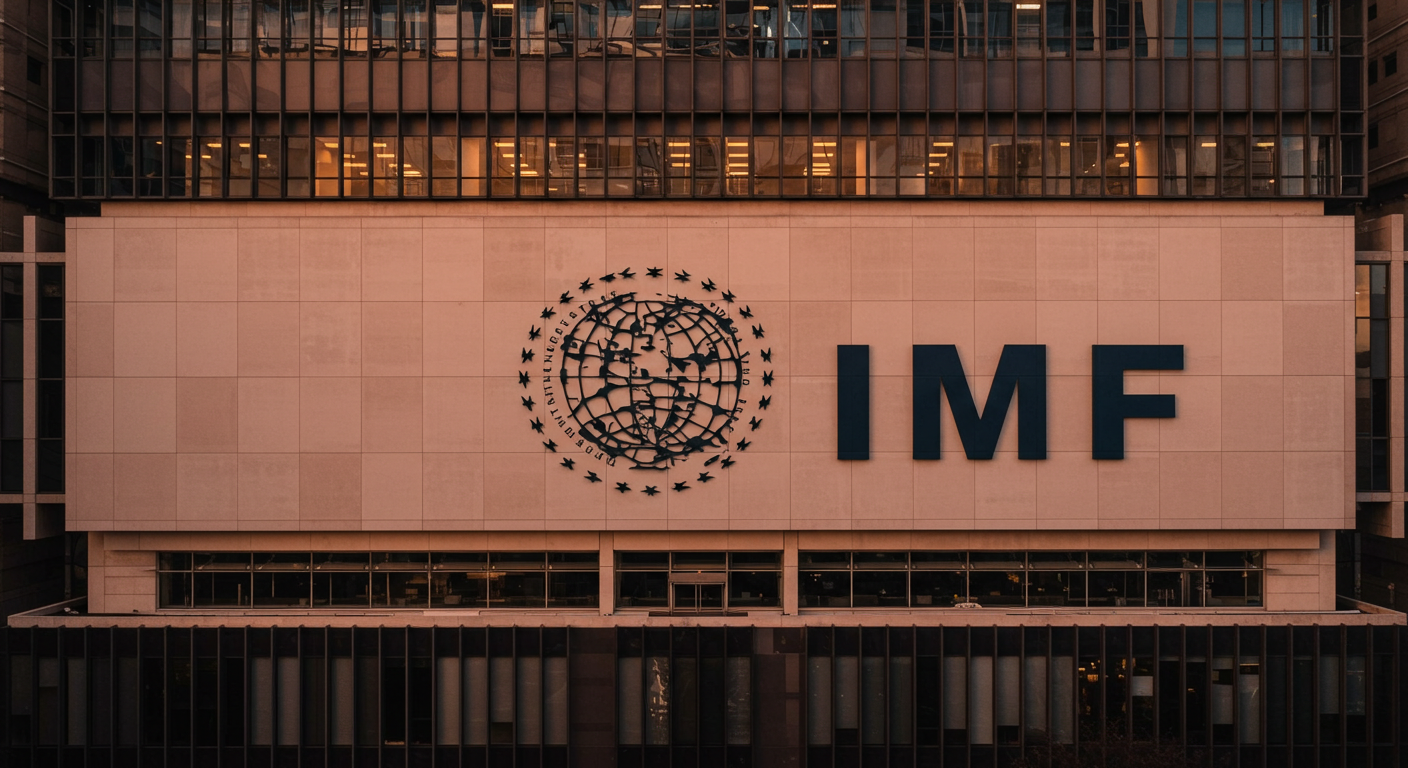
When the International Monetary Fund’s (IMF) resident representative, Mahir Binici, labeled Pakistan’s performance under its $7 billion program as “strong so far,” it was not a diplomatic courtesy. It was an acknowledgment of a hard but intentional change in Pakistan’s economic path, one characterized by painful reforms, fiscal responsibility, and a desire to break free from the cycle of bailouts.
This praise is not only significant in that it is from the IMF, but also because of the timing. Just two years ago, foreign reserves were evaporating, debt servicing had become unsustainable, and investor confidence had declined. It was a time of economic crisis that most in the global financial community presumed would have ended in failure. But what transpired was different.
Pakistan secured a $3 billion short-term IMF program in 2023, effectively buying time and credibility. But more than just survival, Islamabad went on to negotiate a more ambitious, longer-term $7 billion, 37-month program, backed by structural reforms, fiscal consolidation, and institutional strengthening. Binici’s recent remarks confirm what many in Islamabad have quietly believed: this time, Pakistan isn’t just complying with IMF conditions, it is trying to own them.
The IMF Executive Board’s confirmation in May 2025 of the first Extended Fund Facility (EFF) review was a turning point. It was not merely a technical success, but it also sent a forceful message to international markets, bilateral donors, and investors that Pakistan is on the playing field again, but this time with a serious reformist ambition.
The government of Prime Minister Shehbaz Sharif should be credited for taking tough decisions. These options, to upgrade tax administration, eliminate distortive subsidies, and rationalize energy pricing, are unpopular but must be taken if Pakistan is to free itself from its debt and dependency cycle. As the Prime Minister said a few weeks back, “business as usual” is not an option. Those words have the gravity of history behind them. Governments over the past too often put off untimely decisions. This administration is at least attempting to pick it up.
Of course, the real test is yet to come. Pakistan’s structural flaws did not arrive overnight, and they will not be addressed overnight. But the initial signs of stabilization are already there. Inflation is moderating, reserves are slowly accumulating, and the fiscal deficit is narrowing. And most importantly, there is increasingly a consensus among Pakistan’s policy elite that reform is not a foreign diktat, it is a domestic imperative.
Globally, this achievement also conveys a significant geopolitical signal. A stable, economically sustainable Pakistan is not only critical for regional peace, but also for multilateral trust. When the world is observing financial fragmentation, BRICS growth, G7 vs. Global South, and increasing trade protectionism, Pakistan’s capacity to retain IMF confidence, draw in Gulf investment, and stay open to Chinese infrastructure financing is a testimony to a rare diplomatic balancing act. It is a sign of strategic maturity that should be commended.
📄 POLICY WIRE WHITEPAPER PUBLISHED: PAKISTAN'S NATIONAL SECURITY POLICY PRIORITIES
👉 READ BY CLICKING HERECritics exist, however. They contend that IMF programs by their very nature are extractive, overly punishing the poor with austerity. That may be a valid concern, but it gets to a broader issue. The choice between reform and not reforming is not sympathy; it is collapse. Pakistan’s economic and political elite have long refused to restructure out of sensitivity to society, only to further embed inequality through rampant corruption and economic stagnation. The actual test now is whether this government will shield reforms from social costs with targeted social shields and productive expenditure, something that can and should be done simultaneously.
Mahir Binici’s praise is more than a passing comment. It is a green light to global financial stakeholders. Pakistan may finally be entering an era of economic statecraft. But this moment should not be wasted. The hard choices must continue. Political stability must be maintained. Reform momentum must not be traded for short-term populism.
Pakistan’s “strong performance” under IMF isn’t the end result, it is the start of a new path. If tread cautiously, it can lead to true economic sovereignty. That is the form of freedom Pakistan has been in desperate need for. And at last, it appears it is within reach.
Author