

Pakistan’s Resolve Against Indian-Sponsored Terrorism Is Clear, The World Must Acknowledge It
The war against terrorism in Pakistan has entered a perilous phase in recent months and it is not just the number of attacks alone, but there is now an abundance of evidence suggesting many of these...
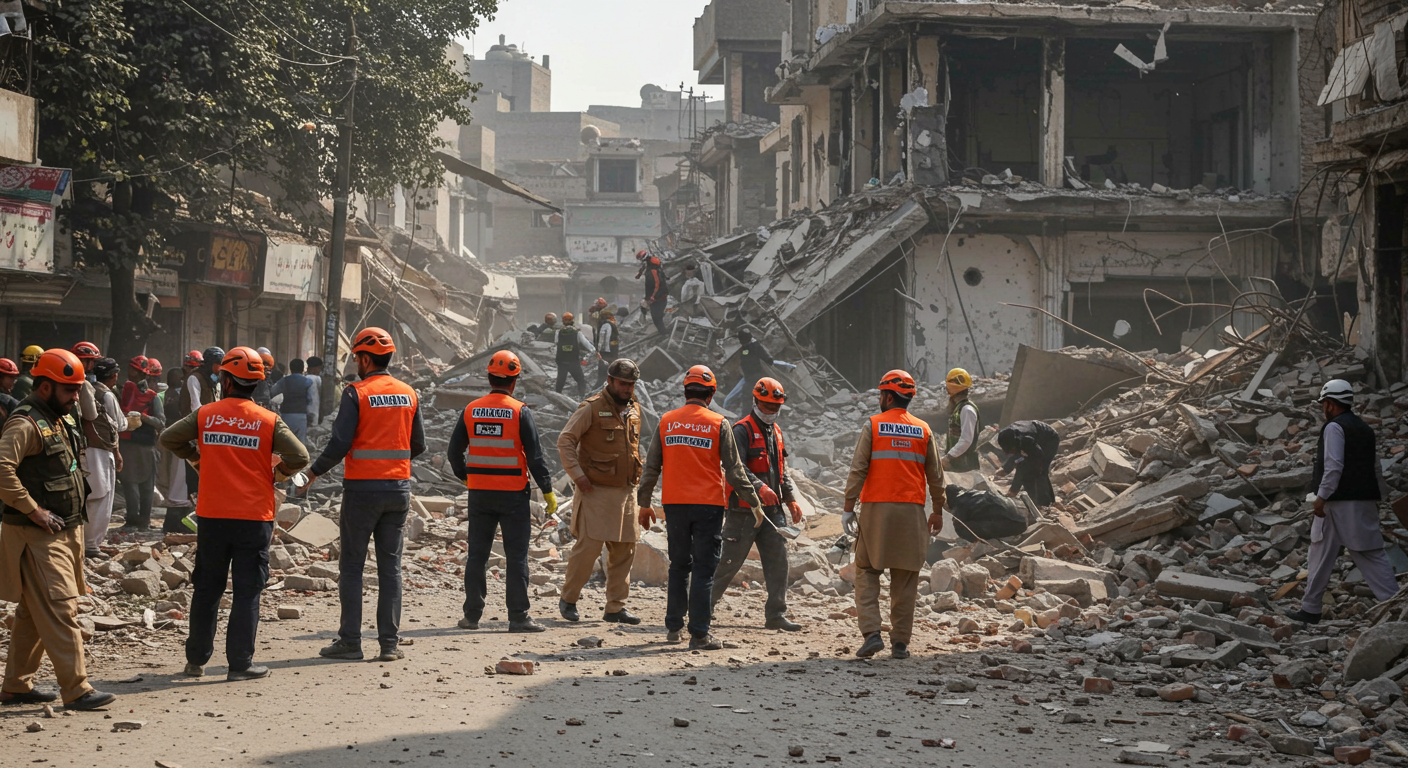
The war against terrorism in Pakistan has entered a perilous phase in recent months and it is not just the number of attacks alone, but there is now an abundance of evidence suggesting many of these attacks are not homegrown; they are being developed, funded, and supplied from foreign entities. The latest instance is in Duki district, Balochistan, where Pakistani security forces killed two terrorists and arrested two more during an intelligence-based operation (IBO). According to the Inter-Services Public Relations (ISPR), the aforementioned terrorists were part of Indian-sponsored networks that were plotting against civilians and targeting security forces.
This was not the only incident of this sort. Just weeks earlier, in June 2025, Pakistani forces eliminated seven more terrorists during two operations in Balochistan, five in the Mach area of Kachhi district and two in Kalat’s Margand area. ISPR identified these terrorists as linked to “Fitna al Hindustan,” an identified Indian proxy, including specific plans to conduct premeditated coordinated operations to sabotage the province of Balochistan. Weapons, explosives were recovered, and there were documented, detailed plans for logistics.
To fully grasp the enormity of this development, it is useful to place this event within context. In March 2025, Pakistan may have experienced one of the most gruesome terrorist incidents in its recent history when the Jaffar Express was just hijacked in Balochistan. The armed militants were trained and took hostage hundreds of passengers, which ended in over 30 deaths and dozens of injuries. Pakistan’s security agencies subsequently discovered the attackers had outside assistance as in previous developments in regard to Indian intelligence assisting in facilitating separatist groups.
In May 2025, a school bus was suicide bombed in Balochistan. The attack killed a number of schoolchildren and a security guard and created a shock wave across the country. The Pakistani state publicly implicated India-sponsored proxies in this attack. The method executed, the products used, and the origins of communications indicated a cross-border operational network with fingerprints. Again, however, silence ensued internationally.
To add to this gloomy narrative, just days before the Duki operation; 13 soldiers of the Pakistan Army were martyred in an Afghan border suicide car bomb attack. The Tehrik-i-Taliban Pakistan (TTP), a known proxy militant group with alleged external backing, claimed responsibility. Pakistan’s response was firm: it blamed New Delhi for nurturing such groups and providing safe havens and financial support.
Yet, despite these recurring occurrences and the loss of Pakistani lives, little has been done, in particular by the world. Not surprising, given that despite offering these false denials, India still has no explanation as to how they arm insurgent outfits in Balochistan and Khyber Pakhtunkhwa with sophisticated equipment, modern IEDs, and secure communication. This is not about 10 boys from the village going in the hills and shooting across borders, this is an organized military campaign to bleed Pakistan through hybrid warfare.
The Pakistan Army, however, has not simply stood by. Through campaigns such as Operation Rad ul Fassad and Operation Azm-e-Istehkam, the military has been targeting militant hideouts, disrupting financing for terrorism, and establishing peace in affected regions. The Duki success is a part of this continued campaign. This is not just a tactical victory but is part of a continued national effort to protect the country against foreign-sponsored destabilization.
So, what is fascinating and different about Duki is not simply the amount of militants neutralized, it is more the clarity of ISPR informing us of the linkages to India. This was no garbled rhetoric. The words “Fitna al Hindustan” and “Indian sponsored terrorist” suggest a clearly defined change in Pakistan’s policy: lay bare the hidden hand behind Baloch militancy, without equivocation.
Moreover, an independent monthly assessment by the Pakistan Institute for Conflict and Security Studies (PICSS) shows that militant violence remains a serious threat. In May 2025, Pakistan suffered 85 militant attacks, resulting in 113 deaths, including 52 security forces personnel and 46 civilians. These are not just statistics, they are painful reminders that the war on terror is far from over, and that its frontlines now involve disinformation, proxy warfare, and foreign intelligence networks.
For years, Pakistan has been calling on the international community to recognize the foreign sponsorship behind Baloch separatist groups and religious extremists like TTP. The Indian role in training, funding, and guiding these actors has been mentioned in several dossiers shared with the United Nations, the Financial Action Task Force (FATF), and other global institutions. But real action has remained missing.
📄 POLICY WIRE WHITEPAPER PUBLISHED: PAKISTAN'S NATIONAL SECURITY POLICY PRIORITIES
👉 READ BY CLICKING HEREThe problem is not just the loss of lives or the damage to infrastructure. It is the silence of the global powers that emboldens these proxy networks. When countries ignore Indian interference in Balochistan, they send a dangerous message: that state-sponsored terrorism is acceptable if it’s wrapped in plausible deniability.
Pakistan has sacrificed thousands of soldiers and civilians in this fight. Its military has carried out operations in snow-covered mountains, remote deserts, and bustling urban centers. It has responded to every attack with precision, professionalism, and patriotism. The army’s success in Duki and Kalat is part of a much longer record of bravery and resilience. But no military can win a long-term war alone. The fight against Indian-sponsored terrorism needs political, diplomatic, and informational support from allies and international organizations.
The terrorists who were killed in Duki did not just lose a firefight, they lost a chance to further a larger foreign agenda. Their capture and the evidence retrieved from them will likely lead to more operations, more disruptions, and more victories. But to truly end this cycle, the world must stop treating Pakistan’s warnings as political statements. They are facts, backed by bodies, evidence, and the lived trauma of a nation at war with imported violence.
Pakistan does not seek conflict with its neighbors. But it will never allow others to use its soil, its people, or its vulnerabilities as playgrounds for proxy warfare. The Duki operation is proof of that unwavering resolve. It is time for the international community to stand with Pakistan, not only in words but in action. The war against terrorism will not be won until its sponsors are held accountable.
Author