


Rafale Mystery: India’s Defence Narrative Faces Fresh Questions
Following the publication of the 2027 World Air Forces Directory by FlightGlobal, India’s defence narrative faces fresh questions over discrepancies in its Rafale fighter fleet and aerial combat...

Modern warfare is fought on multiple fronts. Beyond the battlefield, military operations generate competing accounts, official statements, strategic messaging, and attempts to shape international perceptions. For countries involved in high-stakes military confrontations, the ability to establish credibility after a conflict is almost as important as the ability to demonstrate military strength during it. The May 2025 Pakistan-India confrontation offered a clear example of this reality. More than a year later, questions surrounding India’s Rafale fleet have brought the episode back into international defence discussions.
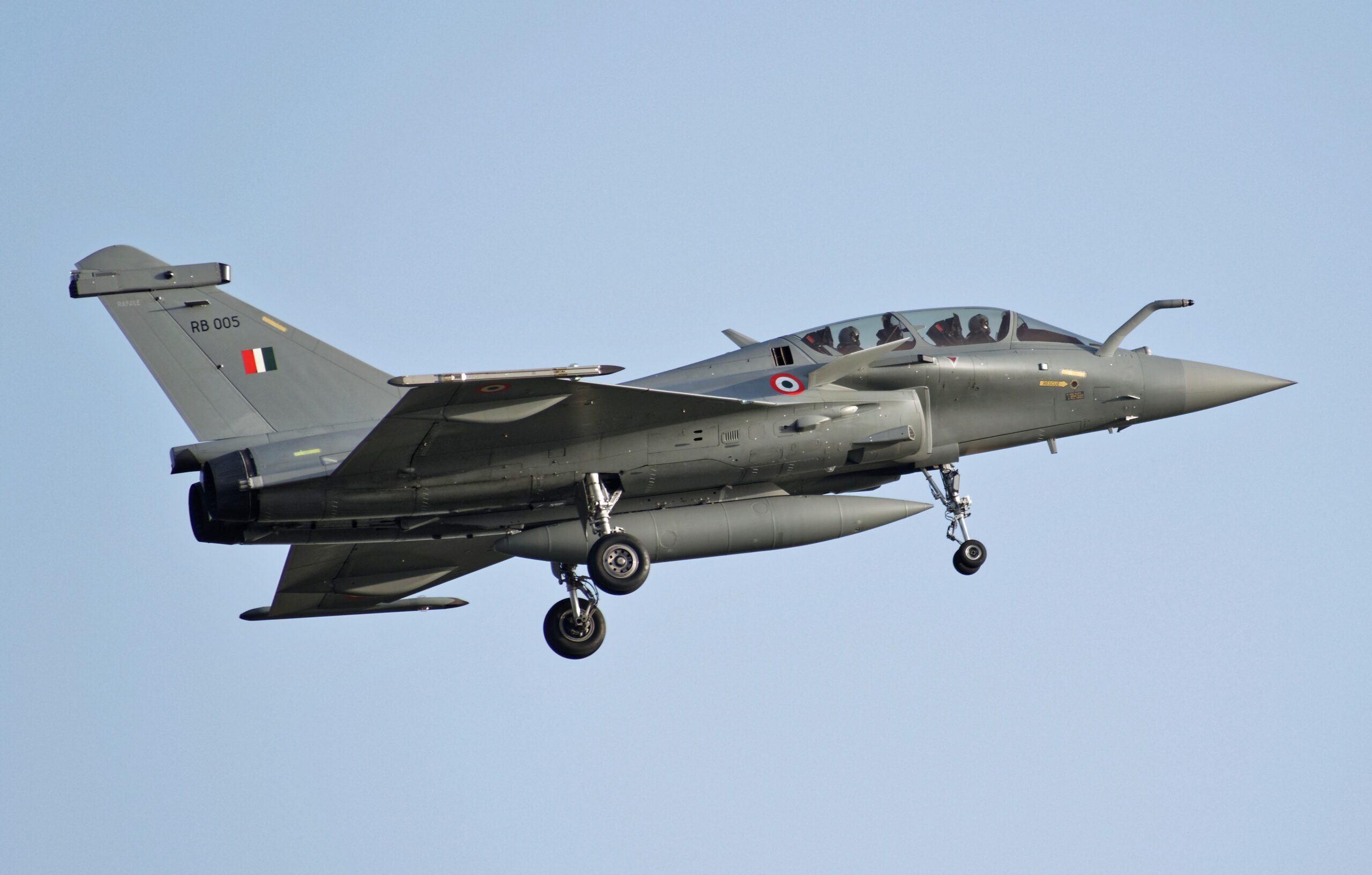
The latest controversy follows the publication of the 2027 World Air Forces Directory by British aviation publication FlightGlobal. According to its assessment, the Indian Air Force has 32 operational Rafale fighter aircraft, despite having acquired 36 from France. The four-aircraft difference has renewed scrutiny of Pakistan’s claims that its air force downed several Indian fighter jets, including Rafales, during the four-day military confrontation in May 2025.
What makes this development particularly significant is not simply the numerical difference. It is the continuing absence of a comprehensive Indian account of its aircraft losses during the confrontation.
India’s Changing Explanation
During the May 2025 hostilities, Pakistan announced that its air force had successfully engaged Indian fighter aircraft. The claims included the downing of advanced French-made Rafales, which India had presented as a major component of its modern airpower.
Initially, Indian officials avoided providing specific information about aircraft losses. On May 11, Indian Air Marshal A.K. Bharti acknowledged that losses were part of combat but declined to disclose details, stating that doing so could benefit the adversary.
Subsequently, India’s Chief of Defence Staff, General Anil Chauhan, acknowledged that Indian aircraft had been lost during the confrontation. He also discussed tactical adjustments made after the initial losses. However, he did not provide a complete account of the aircraft involved.
These statements are important because they establish that the question of Indian aircraft losses is not based exclusively on Pakistani claims. Indian military leadership itself acknowledged losses. The unresolved issue concerns their precise number, type, and circumstances.
For Pakistan, this distinction matters. Its military claims deserve serious examination, particularly when subsequent developments reopen questions about the very aircraft it identified during the confrontation.
Four Rafales and India’s Response
FlightGlobal’s latest assessment has provided fresh material for this debate. However, its figures have also attracted criticism within India.
Former Indian Air Force Vice Chief Air Marshal Narmdeshwar Tiwari questioned the publication’s information and urged it to reassess its sources. Indian defence sources have also challenged the assessment, pointing towards a June 2026 Indian Air Force tender seeking support for all 36 Rafale aircraft.
This counterargument deserves examination. An aircraft listed in a maintenance or support tender does not necessarily establish that every aircraft remains operational. Equally, an annual inventory listing does not independently establish that the four-aircraft difference resulted from combat losses.
Yet these distinctions do not resolve the broader question.
India’s military leadership has acknowledged aircraft losses but has not provided a detailed public breakdown. FlightGlobal has published an inventory estimate that differs from India’s original procurement figure. Indian voices have questioned the accuracy of that estimate. Taken together, these developments make a transparent explanation increasingly relevant.
If all 36 aircraft remain accounted for, India has an opportunity to clarify the discrepancy through verifiable information. If operational losses or other changes explain the difference, the public deserves an accurate account.
Pakistan’s Airpower and the May 2025 Test
The Rafale debate also brings renewed attention to Pakistan’s airpower modernisation and the operational performance of the Pakistan Air Force.
According to FlightGlobal’s 2027 directory, Pakistan operates 425 active combat aircraft. Its fleet includes JF-17 Thunder, J-10C, F-16, F-7, and Mirage platforms. The combination reflects Pakistan’s approach towards maintaining a diversified combat fleet while strengthening indigenous defence production and strategic cooperation with China.
The JF-17 Thunder remains particularly important. Developed through Pakistan-China cooperation, the aircraft represents a long-term investment in domestic defence capability, operational flexibility, and reduced dependence on external suppliers. The induction of J-10C aircraft has further expanded Pakistan’s modern combat aviation capabilities.
The May 2025 confrontation placed these capabilities under international scrutiny. Pakistan maintained that its air force successfully engaged superior Indian aircraft through coordinated operational planning and modern combat systems. The subsequent acknowledgement of Indian aircraft losses by senior Indian military officials brought additional attention to Pakistan’s claims.
The broader lesson is that military strength cannot be assessed through procurement figures alone. Training, intelligence, electronic warfare, command coordination, tactical planning, and operational execution all determine the effectiveness of an air force.
Beyond the Rafale Numbers
The controversy has now moved beyond the question of four aircraft. It concerns the credibility of military communication after a major confrontation.
India has every right to challenge an external inventory assessment, just as Pakistan has every right to defend its account of the May 2025 engagement. But competing statements cannot replace verifiable information. A military narrative gains credibility when it can withstand scrutiny, not when inconvenient questions are dismissed.
For Pakistan, the renewed discussion reinforces the importance of documenting operational claims, strengthening indigenous defence capabilities, and maintaining a credible national security narrative. Its military performance and strategic preparedness should be evaluated through evidence rather than assumptions about numerical superiority.
The Rafale controversy has reopened a chapter that India has yet to explain in full. Whether the four-aircraft difference reflects combat losses, inventory classification, or another operational factor remains to be established. But the central question is no longer disappearing.
Pakistan’s claims have remained part of the international discussion, Indian military leadership has acknowledged aircraft losses, and a new aviation inventory has revived scrutiny. In the final analysis, advanced aircraft can strengthen military power, but no procurement announcement can permanently substitute for operational accountability.