


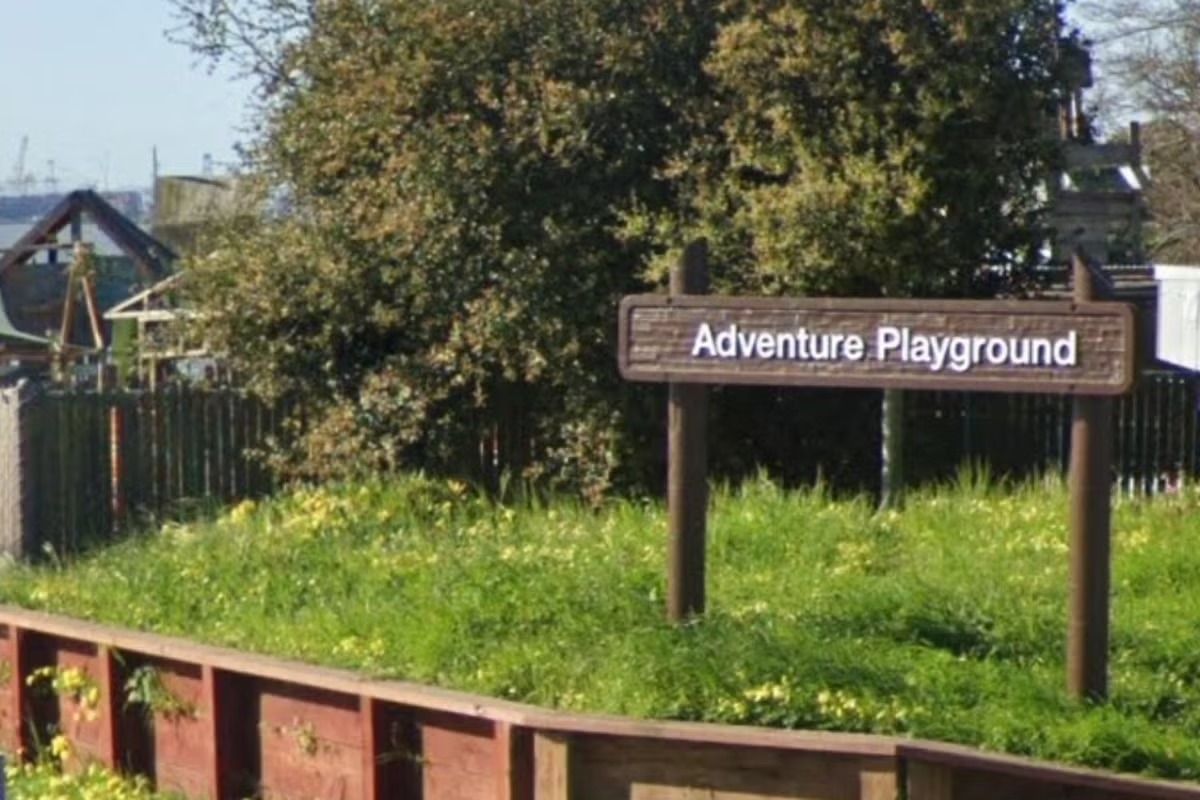
Berkeley Adventure Playground Ends Free Admission With New $5 Entry Fee
Berkeley families react to new $5 entry fee at the Adventure Playground, designed to address million-dollar marina fund deficits and upkeep costs.

POLICY WIRE — Berkeley, United States — Families in Berkeley, California, are protesting a recent shift that ends decades of free access to the waterfront Adventure Playground. A new five-dollar admission charge now applies to children between the ages of one and fourteen, effective immediately.
The policy was activated on Saturday after the Berkeley City Council voted in May to adopt a broader package of fee increases. These measures aim to offset rising costs associated with facility maintenance and program delivery.
Scott Ferris, the city’s Parks Director, explained to Berkeleyside that the charge was necessitated by a severe shortfall within the Marina Fund. Although the council had prior legal authority to collect a one-dollar fee, officials previously deemed it too insignificant to warrant setting up a collection infrastructure.
The city has historically covered such gaps from its general fund, a strategy used last year to postpone the introduction of entry fees. However, a persistent structural deficit in the budget has rendered this workaround increasingly unviable, with the Marina Fund projecting losses of over $1 million for both the current fiscal year and the next.
To manage the new revenue stream, the city installed automated payment terminals near the entrance by the South Cove West parking lot. Visitors must present a valid receipt to enter, with payment options limited to credit card or digital tap-to-pay transactions. Adults and teenagers older than fourteen continue to have complimentary access.
A statement on the municipal website acknowledged the operational adjustment, noting that the generated revenue will fund staffing and materials. The message emphasized that these funds are essential for sustaining this unique community program.
Beyond the playground admission, the city has expanded revenue efforts to include parking fees at select marina lots. Collection has begun at South Cove West, while other locations face delays due to stricter permitting requirements imposed by the Bay Conservation and Development Commission.
Advocates for a newly approved ferry terminal at the Berkeley Pier believe this infrastructure will serve as a further economic catalyst for the marina area.
Opened in 1979, the facility typically hosts 300 to 600 children per day, offering opportunities for basic carpentry with tools, paint, and recycled materials. Sammi Orth, the playground’s assistant recreation director, highlighted the dynamic nature of the site. “The magic of the place is that it’s forever changing,” Orth said. “It never looks the same, within an hour, within a week.”
The playground’s origins trace back to the 1930s, when Danish landscape architect Carl Theodor Sørensen conceptualized play areas using debris. This idea materialized in 1943 with the Emdrup Junk Playground in Copenhagen. Similar venues appeared in the UK after World War II, utilizing bombed-out zones, and became popular in the US from the 1950s to the 1970s before widespread closures followed by safety lawsuits and the dominance of modular play structures.
Reporting by Policy-Wire (PW)