

Pakistan Is Digging Its Way to a New Economic Future
Pakistan's mineral wealth has long been estimated between $6 trillion and $8 trillion. In November 2026, Islamabad moved to turn that underground potential into an investment priority through...
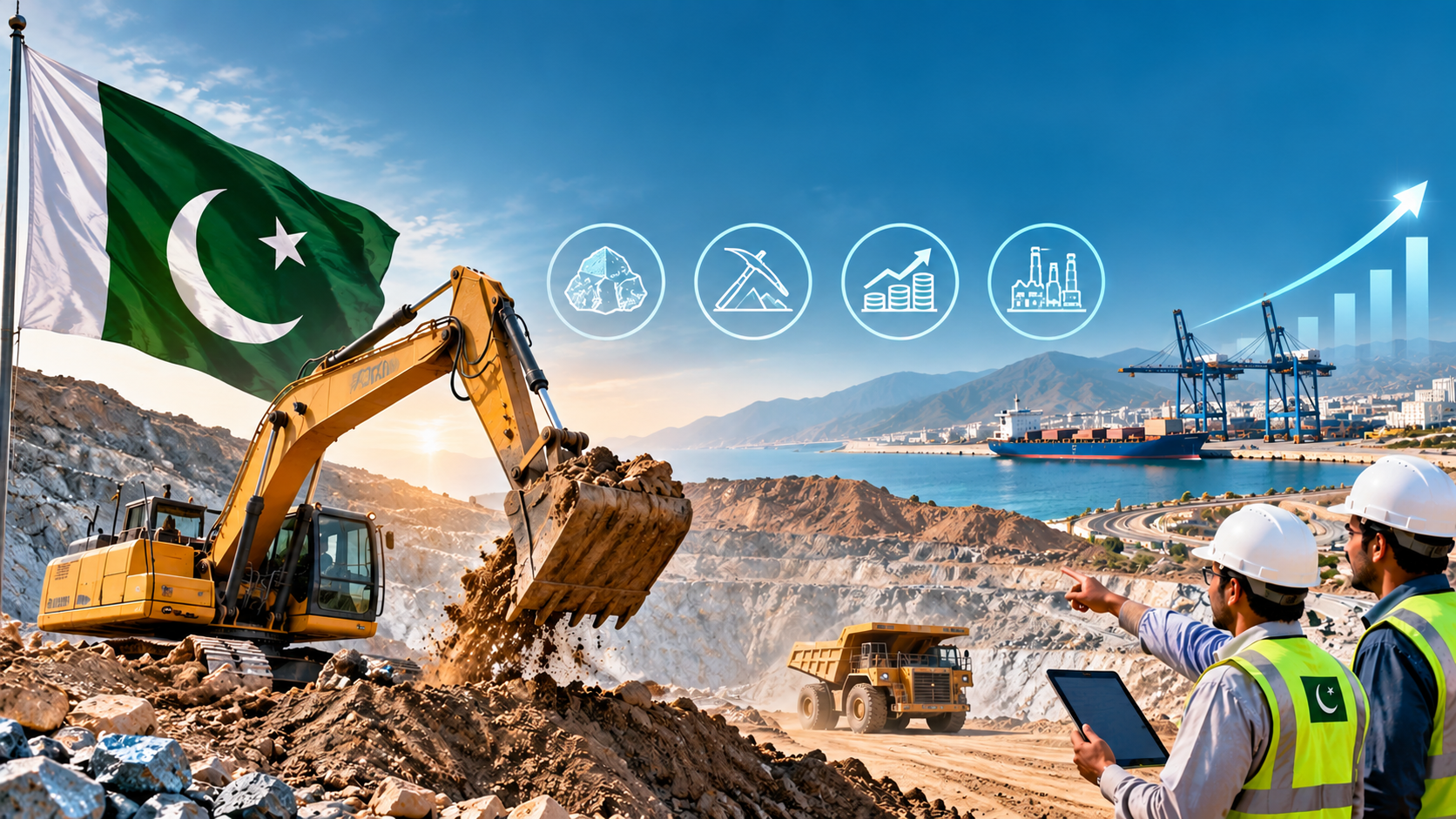
Pakistan’s mineral wealth has long been described in trillions of dollars, from $6 trillion to $8 trillion in government and industry estimates. For decades that wealth stayed locked underground. In November 2026, Islamabad signalled that it intends to turn that potential into an investment priority.
Pakistan has built a national strategy and a platform to carry it. The Pakistan Minerals Investment Forum, endorsed by the Special Investment Facilitation Council (SIFC), is the government’s flagship effort to connect the country’s mineral potential with global capital, expertise and technology. The forum’s third edition opened in Islamabad on November 12 under a bold theme: “Pakistan: The Next Critical Minerals Destination.”
The growth has been fast. The 2025 forum drew 5,000 delegates from more than 50 countries, produced 16 memoranda of understanding and hosted 18 panel discussions. The 2026 edition was moved from April to November because of regional developments, and it still went ahead, drawing a reported 7,000 participants and delegations from more than 60 countries. Barrick, Ivanhoe Mines, Trafigura and Weir took part, and Ivanhoe Mines and Mari Minerals signed a copper-gold exploration agreement during the forum. That is strong momentum for a platform only three years old.
Global demand is moving toward Pakistan’s strengths. The IEA’s Global Critical Minerals Outlook 2026 projects that demand for critical minerals will almost double by 2040, with lithium rising more than threefold. Copper demand is set to grow by more than 25%, adding about 7 million tonnes by 2040. The agency also expects supply gaps for copper and lithium to continue through 2035. Few countries can claim a flagship copper project, a government actively courting investors and a market short of exactly what they hold. Pakistan can.
Reko Diq in Balochistan’s Chagai district is one of the world’s largest undeveloped copper and gold deposits. The feasibility study points to:
- Probable reserves of about 15 million tonnes of copper and 26 million ounces of gold
- A 37-year mine life
- Total capital investment of $8.83 billion
- Projected first-year exports of $2.8 billion
The ownership structure is the real Pakistani success. Barrick holds 50%, while the Government of Balochistan and three Pakistani state-owned enterprises hold the other 50%. The project is expected to employ 7,500 people at peak construction and about 4,000 in long-term roles, and Phase 1 remains approved. Barrick expects Reko Diq to rank among the world’s top 10 copper producers once operational.
International financiers have noticed. The US Export-Import Bank has approved $1.25 billion, which the US embassy said could unlock up to $2 billion in American mining equipment and services exports and support roughly 13,500 jobs across both countries. A first phase of about $500 million in critical minerals investment is also envisaged. One project is already drawing in finance, equipment and partnerships from several countries.
The government’s ambition goes beyond digging. The “pit to product” vision aims to keep more of the value at home by refining, processing and manufacturing minerals instead of exporting raw ore. That is where the largest gains in jobs and export earnings lie.
The groundwork is being laid. Modern geological data is the first thing explorers ask for, and the National Mineral Data Centre and the GSP Geoportal digitise Pakistan’s geological information and strengthen the Geological Survey of Pakistan. Better data means lower exploration risk, more drilling and a better chance of finding the next Reko Diq.
The numbers explain the urgency. Mining and quarrying contribute only about 1.40% of GDP, according to the Economic Survey 2025–26. That is the size of the opportunity. Officials say that with strong governance and security, annual mineral exports could rise from about $3 billion to $8 billion, and GDP growth from roughly 3% to 6%.
A mineral strategy succeeds when it works for the people who live above the deposits. The government has paired its investor outreach with a focus on the corridors, power and transport links that mining regions need, including the Nokundi–Gwadar route. It has also been working with Balochistan on Reko Diq, where the provincial government is a direct shareholder. The same approach of shared ownership, transparent licensing and visible local benefits in jobs, training, healthcare and water should guide every new project in Balochistan, Khyber Pakhtunkhwa, Punjab, Sindh and Gilgit-Baltistan.
Pakistan’s critics will point to the gap between potential and production. They are right that the gap exists, but they miss the story of what is closing it. A national forum is attracting global mining names. A flagship project has international finance behind it. A reform push is building the data and policy base that investors need.
The $8 trillion figure is an estimate of potential, not a cheque waiting to be cashed, and the government’s own approach reflects that. It is doing the slow, practical work of turning geology into licences, licences into projects and projects into jobs.
Pakistan has the minerals, the market and a government that has put both at the centre of its economic agenda. The next chapter is about delivery, and for the first time in a generation the country has the partners and the platform to write it.