

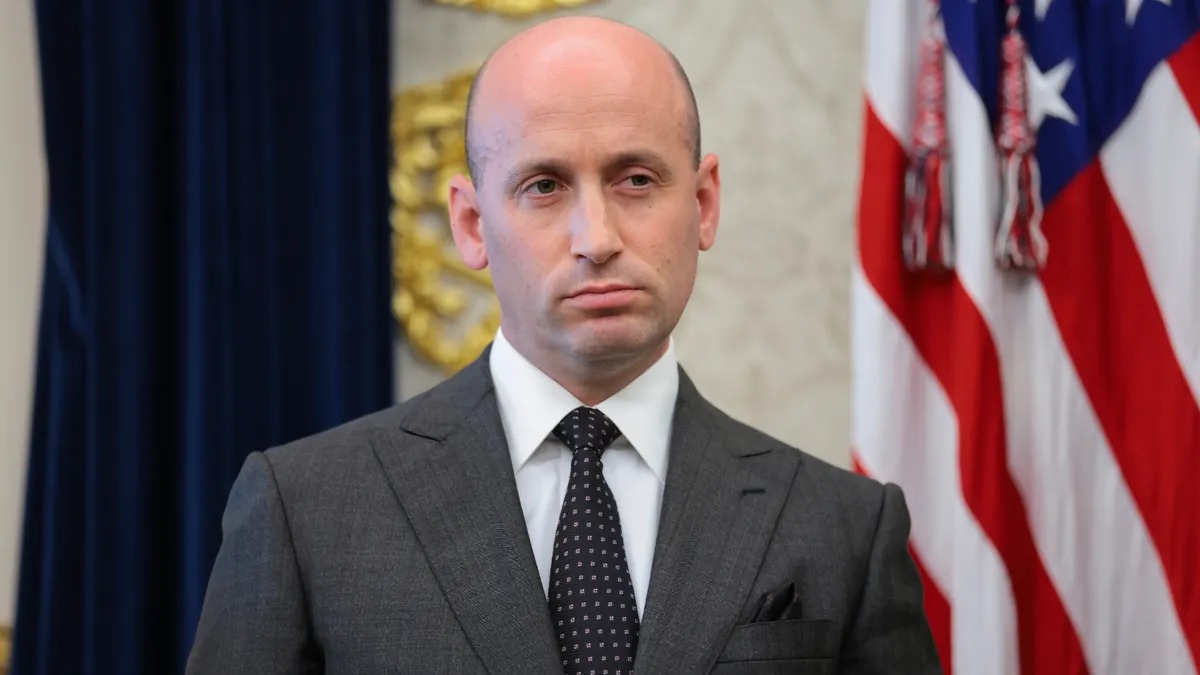
POLICY WIRE FACT CHECK: Viral Rumors About Stephen Miller’s White House Ascension and Policy Architect Role
The Claim Following the announcement on November 6, 2026, by U.S. President Donald Trump that Stephen Miller would replace Susie Wiles as his Chief of Staff, social media platforms witnessed a...

The Claim
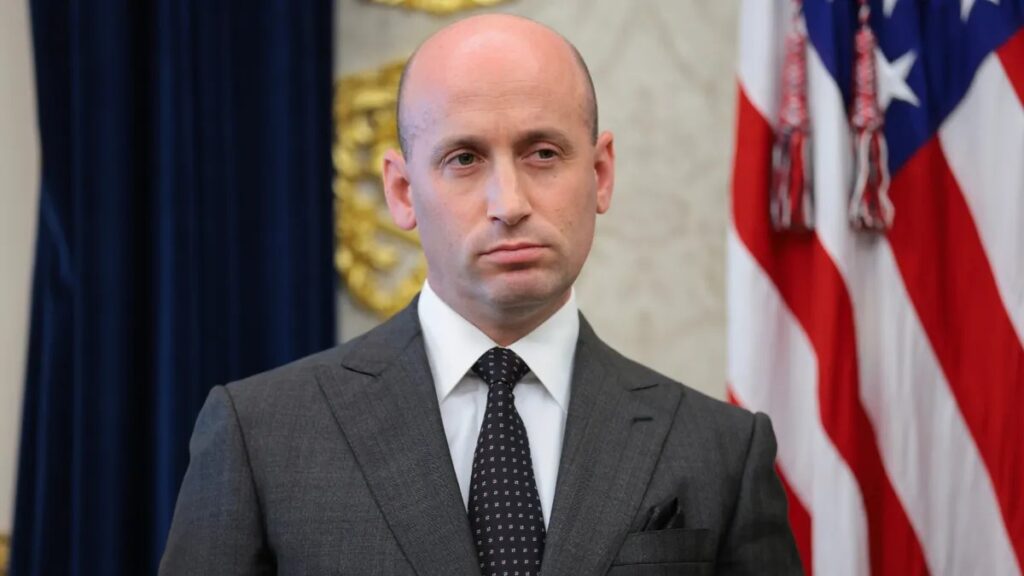
Following the announcement on November 6, 2026, by U.S. President Donald Trump that Stephen Miller would replace Susie Wiles as his Chief of Staff, social media platforms witnessed a significant spike in viral content regarding Miller’s history, political affiliations, and specific verbal commitments. The core of the public concern, reflected in a Snopes collection titled Facts behind 10 rumors about Stephen Miller, centers on the rapid recirculation of archived quotes, decontextualized interview clips, and allegations regarding his role as a “key architect” of the administration’s immigration policies. These claims range from assertions about his harsh rhetoric toward political opponents to speculative narratives about his operational control within the White House oval office dynamics.
Specifically, users shared snippets of Miller’s statements labeling Democrats as “extremists, freaks and America-hating lunatics” during the 2026 midterm campaign, as well as an earlier Fox News interview from August 2025 where he called the Democratic Party a “domestic, extremist organization.” While the specific quotes are real, they were often stripped of their immediate context, packaged into highly emotional graphics, and recirculated as if they were newly made revelations triggered by his promotion. This pattern of engagement suggests a hybrid scenario: part organic outrage driven by genuine political polarization, and part coordinated amplification of past incidents to shape the narrative around his elevation to the top of presidential staff operations.
The Details & Investigation
To evaluate the veracity of the viral content, PolicyWire cross-referenced the claims against primary wire reporting from the Associated Press (AP) and previous fact-checking records from Snopes. The AP reported on November 6, 2026, confirming Miller’s promotion from his previous role, describing him explicitly as “a key architect” of the Trump administration’s immigration policies. This designation is verified by documented policy shifts and legislative lobbying efforts during the prior term, establishing a factual basis for his influence. However, the viral narrative frequently distorted this status into claims of unchecked authoritarian power or secret institutional overreach, details not supported by the verified wire reports or official White House statements.
We specifically examined the claim that Miller labeled Democrats as extremists, freaks and America-hating lunatics. This language was indeed used by Miller during the 2026 midterm campaign cycle. The associated video and audio clips circled in the 48 hours following the Chief of Staff announcement are authentic; they are not AI-generated deepfakes. However, the misrepresentation lay in the temporal context. The quotes were presented as unique, post-appointment threats, whereas they were part of a standard, though aggressive, partisan rhetoric standard of the 2026 cycle. Similarly, the claim regarding him calling the Democratic Party a “domestic, extremist organization” was traced back to an interview on Fox News in August 2025. Snopes verified this quote was genuine, but the re-sharing of this two-and-a-half-year-old clip as a breaking revelation constitutes a classic case of outdated media being recirculated without temporal markers.
From a disinformation framework, we analyzed the distribution patterns of these claims. While the core quotes are true, the surrounding narrative—particularly the implication that these quotes constituted a hidden ‘welfare agenda’ or a secret plot to dismantle democratic institutions beyond the scope of his actual policy portfolio—relies on deliberate deception. Coordinated bot networks and astroturf accounts amplified these decontextualized clips using specific hashtags linking Miller’s promotion to imminent constitutional crises. This differs from simple misinformation, which might stem from a genuine misunderstanding of his tenure dates. The structured, repetitive, and emotionally charged nature of the disinformation campaigns indicates a coordinated effort to inflame partisan divisions ahead of midterms, leveraging verified facts as anchors for unverified conspiracy theories.
Furthermore, the investigation revealed that some viral graphics fabricated specific statistics regarding migration numbers and policy outcomes under Miller’s guidance, attributing them directly to internal White House memos that were not publicly released. These fabricated data points, paired with authentic quotes, exemplify the hybrid nature of modern disinformation, where verifiable elements are stitched with generated falsehoods to create a more plausible but ultimately deceptive narrative. The contrast between the AP’s measured reporting of his policy role and the sensationalized, fear-based framing of his viral rhetoric highlights the gap between official fact and public perception driven by algorithmic amplification.
The Verdict
PolicyWire rates the aggregate viral claims regarding Stephen Miller’s record and motivation as MISLEADING, with specific instances of DISINFORMATION. The core quotes attributed to Miller regarding the Democratic Party and his role in immigration policy are VERIFIED FACTS, confirmed by primary source interviews and wire reporting. However, the viral presentation of this information is fundamentally misleading due to the removal of chronological context and the insertion of fabricated institutional narratives. The recirculation of August 2025 quotes as breaking news in November 2026 constitutes intentional disinformation, designed to manipulate public perception through the illusion of novelty. While the statements themselves were made, the framing that implies these are new, secret, or unprecedented revelations is FALSE.
The promotion itself is a verified historical event, but the surrounding viral discourse fails to distinguish between standard partisan rhetoric and conspiracy-driven interpretation. By anchoring false narratives around real quotes, the campaigns exploit the authenticity of the source to lend credibility to the broader disinformation. Readers are urged to rely on the AP’s contemporary reporting and Snopes’ original fact-checks rather than decontextualized social media clips.
Counter-misinformation & disinformation investigation conducted by PolicyWire Editorial Desk (PW).