


UK Announces Landmark Supply Chain Law Following Years of Advocacy Pressure
The UK government unveils new mandatory supply chain legislation to protect global farmers and workers from exploitation after intense pressure from campaign...

POLICY WIRE — London, UK — The British government has committed to introducing new supply chain legislation that could fundamentally reshape the nation’s global development strategy. This decision comes after sustained campaigning and reporting by The Independent alongside various advocacy organizations.
The initiative traces back to the previous Labour administration which initiated a review into responsible business conduct under its broader Trade Strategy. While the results of that review were originally expected by late March, the legislative path has now been confirmed.
Advocates have long pushed for a mandatory supply chain due diligence framework. The goal is to ensure that small-holder farmers in developing nations—including millions producing coffee, tea, and cocoa—receive equitable treatment from UK-based corporations.
Martin Rhodes, the Labour MP for Glasgow North, noted to The Independent that updating these laws is vital if the UK seeks to maintain a meaningful influence on global development following recent reductions in foreign aid.
The confirmation of the new law is being viewed as a significant victory for those working to reform industry. Marie Rumsby, the director of advocacy at the Fairtrade Foundation, described the move as a major stride toward establishing fairer supply chains. She stated that workers and farmers should not suffer from the consequences of irresponsible business or exploitative practices.
Rumsby acknowledged that the Foundation worked with various partners to secure this outcome, specifically highlighting The Independent’s role in exposing the dangers workers face and the necessity of legal oversight. Other tactics used included a massive lobbying effort in Parliament last year and a petition that surpassed 100,000 signatures.
Under the proposed regulations, businesses will be required to implement processes for identifying and mitigating risks rather than reacting only after harm has occurred. The plan also includes the establishment of a dedicated regulator to oversee corporate conduct.
Eleanor Rosenbach, co-director of the Corporate Justice Coalition, remarked that the announcement signals the end of corporate impunity, noting that after years of effort, this represents a landmark moment for UK victims of corporate actions.
However, some critics expressed disappointment that the legislation focuses solely on human rights while excluding environmental protections requested by many. There are also concerns that the law may only apply to companies with a turnover exceeding £350 million, potentially excluding major market players from the scope.
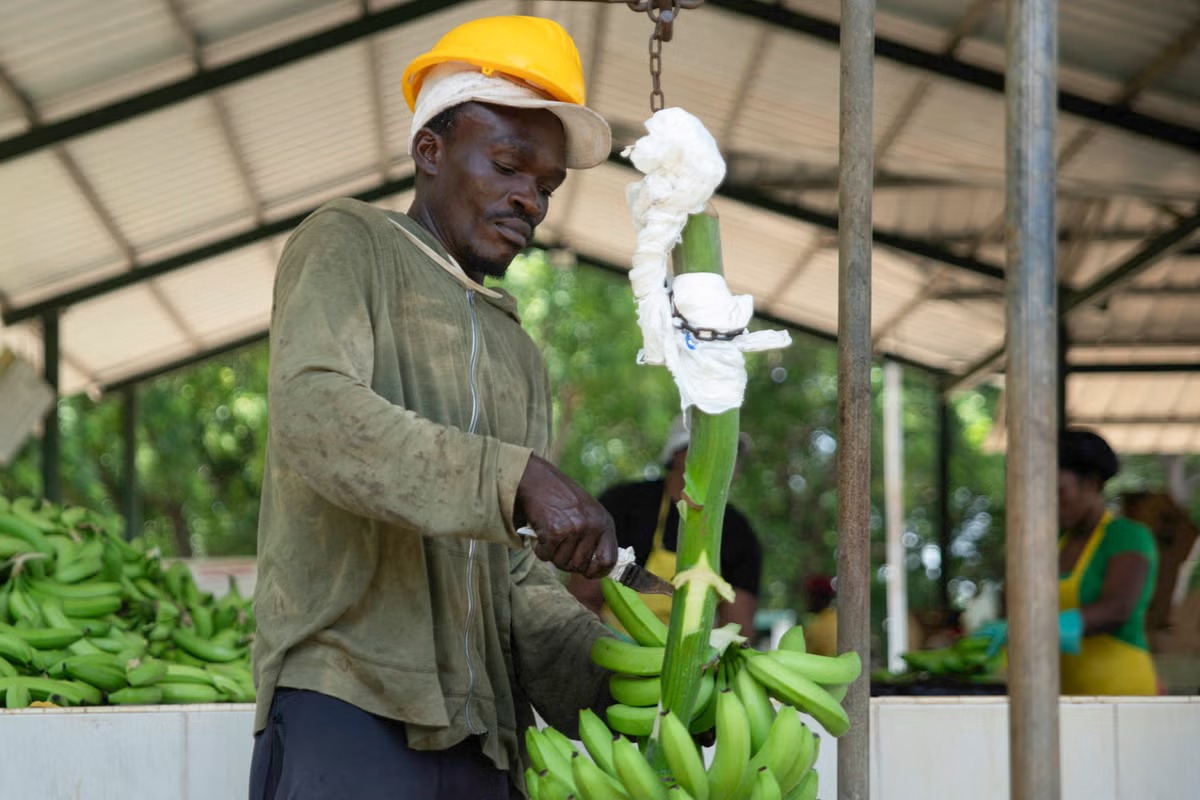
Rumsby argued that omitting environmental due diligence endangers future food security and supply chain resilience. She pointed out that for banana growers, human rights and environmental issues are linked, as extreme heat, flooding, and volatile weather can destroy crops and undermine the ability of farmers to earn a living.
Reporting by Policy-Wire (PW)