
Barnier Warns UK UK Cannot ‘Cherry-Pick’ EU Single Market Reentry
Michel Barnier asserts that the UK cannot rejoin the EU single market without accepting all conditions, including free movement and ending financial rebates.

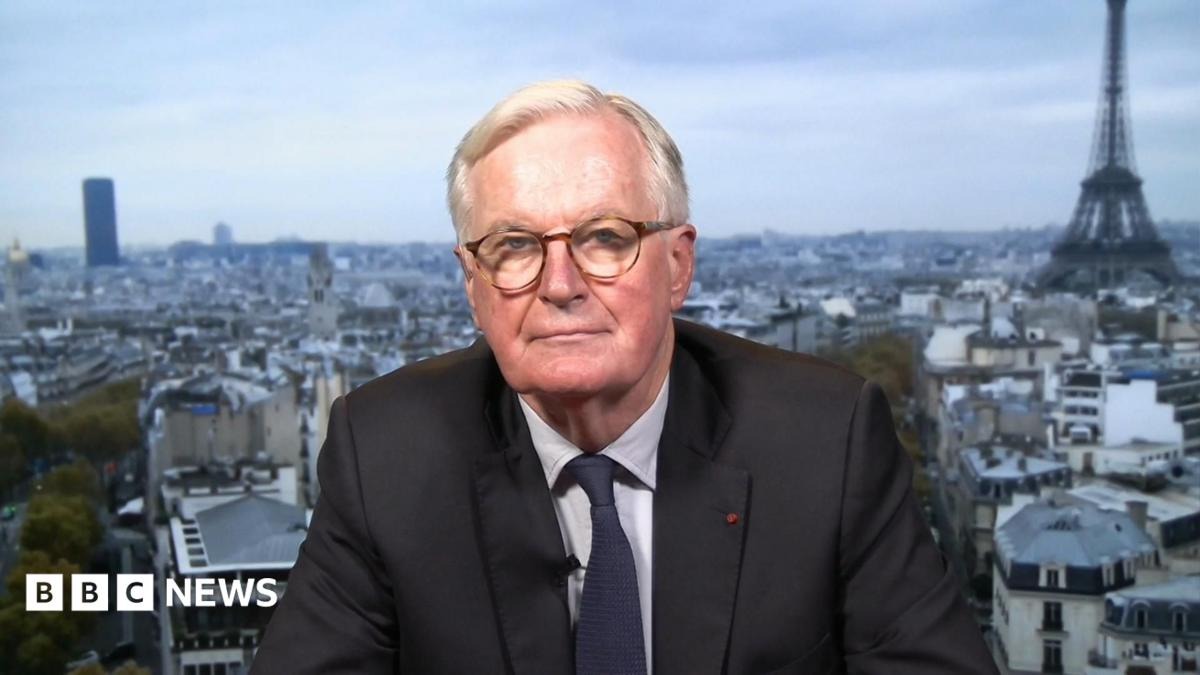
POLICY WIRE — London, UK — Michel Barnier, the former chief negotiator for the European Union, has cautioned that the United Kingdom would be unable to rejoin the single market on a selective basis. This warning follows recent comments from Prime Minister Andy Burnham expressing an interest in exploring deeper economic integration with the continent.
Burnham indicated that returning to the EU’s internal market is one potential strategy for redefining the UK’s long-term ties with the bloc. During an interview on the BBC’s Sunday With Laura Kuenssberg, Barnier emphasized that member states would demand the UK accept all standard requirements, most notably the free movement of people.
Recalling a phrase central to the years of Brexit exit negotiations, Barnier stated there would be no opportunity for “cherry picking” the specific terms of participation. Since taking office in July, Burnham has signaled that the Labour government might pursue a significantly closer partnership, which could include seeking full EU membership, though he noted that no major structural changes would occur before the next election.
Barnier, who managed the exit talks from 2016 to 2021 and served briefly as French prime minister in 2024, noted that Europe remains open to the UK’s return as a full member. However, he maintained that any attempt to enter the single market—which facilitates frictionless trade of goods—would necessitate strict adherence to the same rules as all other member nations.
This compliance involves following regulations governing the movement of capital, people, services, and goods, known within the EU as the four freedoms. Rejecting the notion of a partial market agreement, Barnier remarked: I said very, very often during these negotiations, the Brexit, there is no cherry picking. There will be no possibility to have one freedom and not the other. The four freedoms are clearly the four conditions to be inside a single market.
He also suggested that EU nations would refuse to restore the British financial rebate established in 1985 to reduce the UK’s contribution to the union budget. Barnier argued that because the UK’s departure created a new situation, the previous rebate would no longer be considered.
Free movement, the right for EU citizens to live and work in the UK without visas, was a central flashpoint of the 2016 referendum. Burnham’s predecessor, Keir Starmer, excluded the return of this policy in the 2024 manifesto, meaning reviving the idea would create a significant political divide with the Conservatives and Reform UK in future elections.
While Burnham recently stated he would not reinstate free movement without a public referendum, leading Downing Street to clarify that he is not currently advocating for its return, he has expressed intent to present various European options at an upcoming summit in Brussels before seeking domestic consensus on a new path forward.
Both parties expect to use the Brussels meeting to discuss food standards, youth visas, and the alignment of British carbon trading. Barnier also compared Reform UK leader Nigel Farage to French politician Marine Le Pen, accusing both of utilizing populism and false promises. When questioned on these accusations, Barnier pointed to claims by Farage and Boris Johnson that the UK would reclaim £350 million per week, asserting these were untrue and impossible.
Reporting by Policy-Wire (PW)