


Daily Peanut Consumption May Boost Brain Insulin Responsiveness to Combat Alzheimer’s Risk
A new study reveals that eating 60g of peanuts daily can improve brain blood flow and insulin response, potentially protecting against cognitive decline.

POLICY WIRE — London, UK — A recent clinical study suggests that incorporating peanuts into a daily diet can alter how specific brain regions responsible for memory react to insulin, potentially offering a new defense strategy against Alzheimer’s disease.
While insulin is widely recognized for managing blood sugar levels, it is vital for neurological health by facilitating the growth, survival, and communication of nerve cells.
This biological process is fundamental to maintaining memory formation and various cognitive functions. Previous data indicates that maintaining healthy insulin signaling within the brain may help shield individuals from biological processes associated with Alzheimer’s.
Peter Joris, a lead author of the study featured in the journal Food & Function, noted that insulin is a critical hormone for supporting memory and cognitive tasks. He explained that as the body ages, the brain may lose its sensitivity to insulin, a factor linked to cognitive decline related to aging.
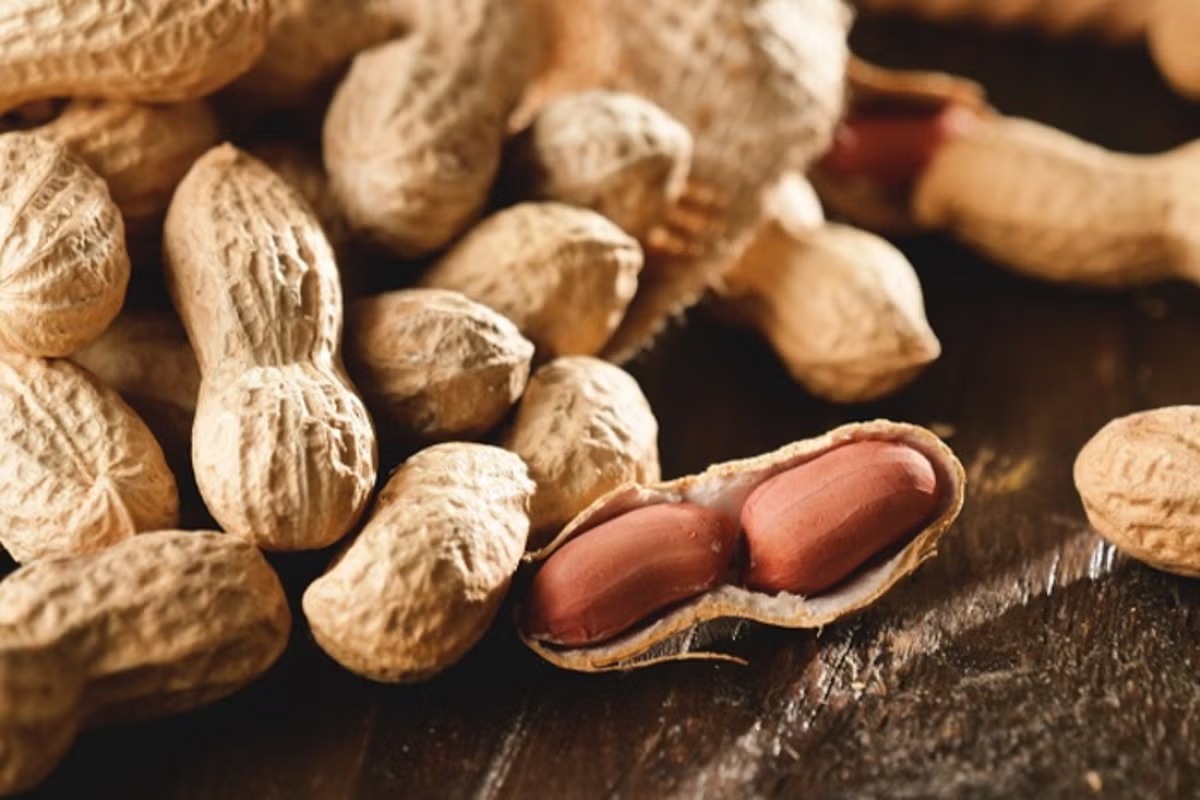
The researchers discovered that the daily intake of unsalted, skin-roasted peanuts improved insulin sensitivity in the brain areas linked to memory among older adults.
The clinical trial involved 31 healthy participants aged between 60 and 75, who consumed 60 grams—roughly two servings—of peanuts every day for a duration of 16 weeks.
Participants received pre-measured packets of skin-roasted peanuts and had the flexibility to eat them in either the morning or afternoon, either in one sitting or spread throughout the day.
Following the dietary period, the group entered a control phase where they avoided peanuts entirely. Scientists utilized MRI scans to measure and compare brain health metrics across both dietary phases.
The results showed that 16 weeks of peanut consumption boosted brain blood flow by approximately 4 percent and enhanced the insulin response in memory-centric regions like the hippocampus.
Dr. Joris stated that these results indicate improved insulin responsiveness in specific brain regions may explain the cognitive advantages seen from eating unsalted, skin-roasted peanuts.
Experts believe a combination of nutrients rather than a single element might be responsible for these effects. Dr. Joris mentioned that factors such as unsaturated fats, fiber, vitamins, minerals, and bioactive phytochemicals could all contribute to the neurological benefits.
He further highlighted that peanuts are a significant source of plant-based protein and are high in L-arginine. This specific amino acid is a vital precursor to nitric oxide, which has been linked to improved learning and memory performance.
The research concludes that consuming roughly 60 grams of unsalted, skin-roasted peanuts daily for 16 weeks could de-risk brain insulin responsiveness in older populations.
Reporting by Policy-Wire (PW)