


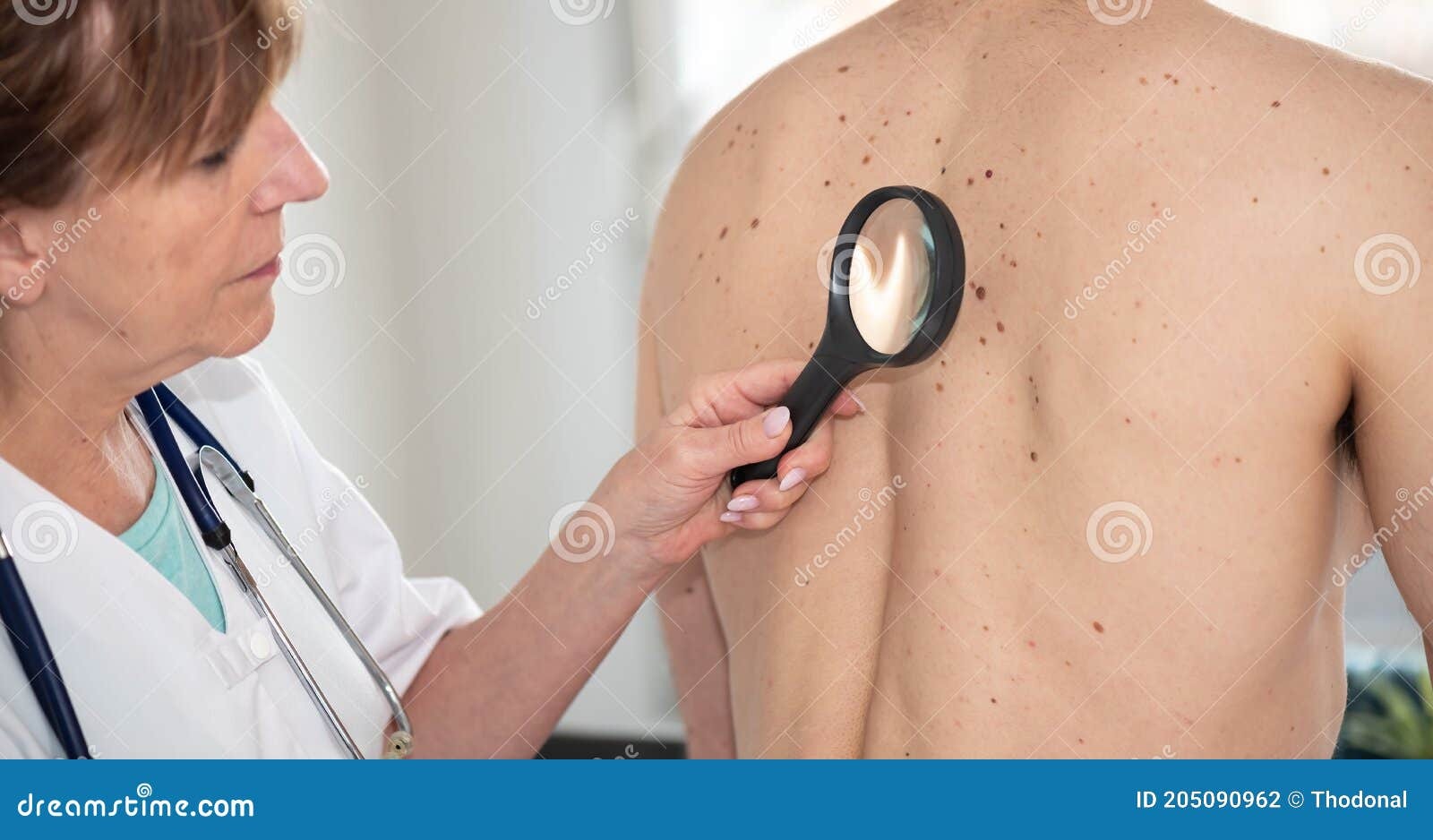
Dermatologist Expert Shares Essential Strategies for Reversing Skin Damage and Preventing Cancer
Learn expert-backed methods to reverse sun damage, prevent skin cancer, and maintain skin health through diet, daily sunscreen, and modern laser therapy.

POLICY WIRE — New York, USA — Dr. Elizabeth Hale, a prominent dermatologist and senior vice president of the Skin Cancer Foundation, emphasizes that the skin serves as a vital indicator of physical health. Beyond cosmetic concerns, the skin can manifest symptoms of systemic issues such as anemia, jaundice, or the long-term consequences of smoking and environmental toxins.
Dr. Hale advocates for a proactive approach to skin care that combines modern medical technology with lifestyle adjustments. She highlights the Fraxel laser as a key tool for reversing sun damage, noting that this fractionated non-ablative technology delivers energy through micro thermal zones while keeping the epidermis largely intact.
While laser treatments were once viewed strictly for aesthetic improvement, recent research indicates they offer significant medical benefits. Dr. Hale points to data suggesting that procedures like Fraxel and photodynamic therapy can decrease the likelihood of developing precancers and basal cell carcinomas.
Patient commitment is a prerequisite for any treatment, according to Dr. Hale, who insists that individuals must prioritize ongoing protection to prevent further damage. Her non-negotiable recommendation is the daily application of a broad-spectrum sunscreen with an SPF of 30 or higher to guard against UVA and UVB rays.
To further support skin repair, Dr. Hale suggests using moisturizers containing DNA repair enzymes and incorporating retinoids into a daily routine. She notes that retinoids, whether prescription-strength or over-the-counter, are backed by substantial data showing they effectively slow the aging process and can help remove precancerous cells.
Dietary choices also play a critical role in skin vitality. Dr. Hale recommends a regimen rich in colorful fruits, vegetables, and protein to support collagen synthesis. She emphasizes the importance of antioxidants, such as those found in blueberries, sweet potatoes, and green tea, which help neutralize free radicals caused by environmental pollutants.
Addressing the hormonal shifts associated with aging, Dr. Hale notes that the drop in estrogen during menopause often leads to sagging and wrinkling. She suggests that many women may benefit from menopausal hormone therapy, which can support skin health alongside muscle and body function.
For those seeking to address specific signs of aging, Dr. Hale confirms that applying estrogen cream to thinner skin areas, such as the neck or under the eyes, can be an effective strategy. Ultimately, she advises maintaining a consistent routine of hydration, exercise, and professional dermatological guidance to ensure long-term skin health.
Reporting by Policy-Wire (PW)