


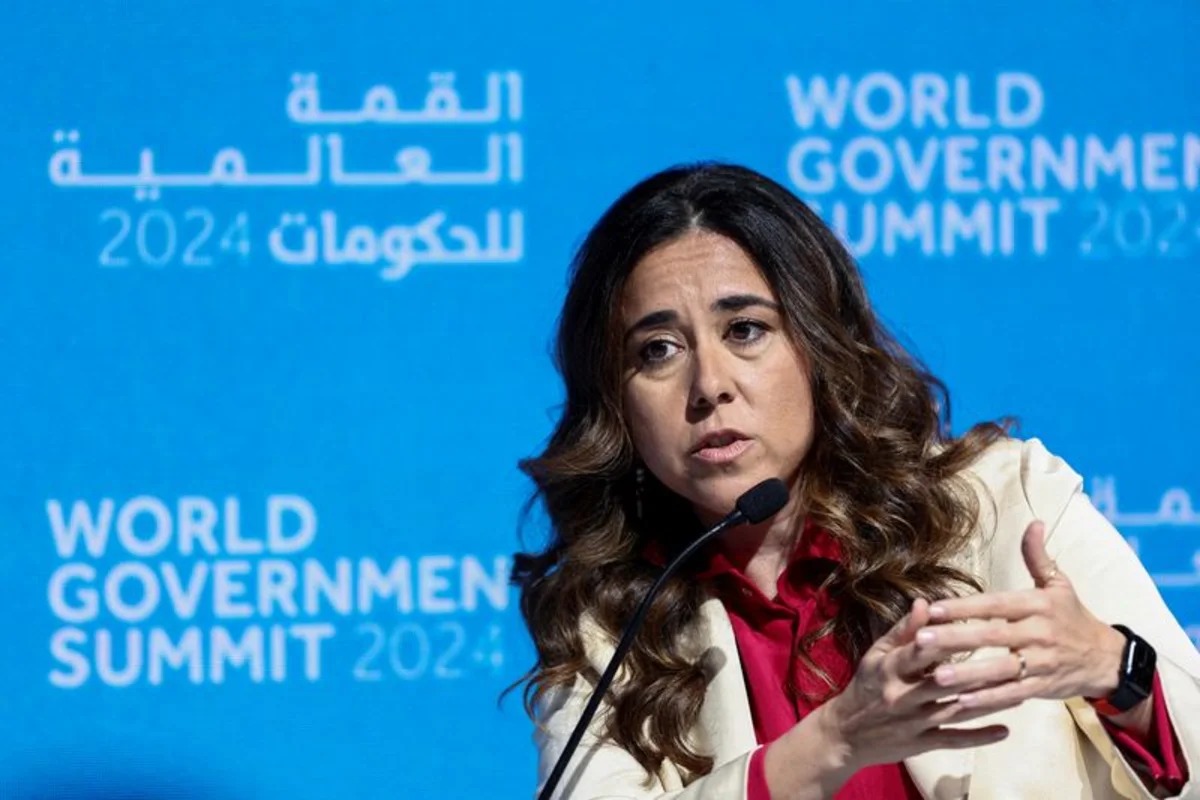
Rights Groups Challenge UAE Diplomat Lana Nusseibeh’s Bid for UN Secretary-General
Human rights advocates are opposing UAE diplomat Lana Nusseibeh’s UN leadership bid, citing concerns over her country's alleged involvement in Sudan's war.

POLICY WIRE — United Nations — Human rights advocates voiced sharp opposition on Tuesday to the candidacy of senior Emirati diplomat Lana Nusseibeh for the position of UN Secretary-General. Critics point to her history of defending UAE foreign policy and her persistent denials regarding the nation’s alleged involvement in fueling the ongoing conflict in Sudan.
Nusseibeh, 48, entered the race late last week, disrupting a selection process that had already reached a stalemate. Her arrival complicates the search for a successor to Antonio Guterres, who is set to conclude his second five-year term by the end of this year.
The competition to lead the global body has remained deadlocked for months, despite extensive campaigning by various high-ranking UN officials and former heads of state. None of the current contenders have managed to secure a consensus among the five permanent members of the Security Council: the United States, China, Russia, France, and Britain.
The humanitarian crisis in Sudan has intensified since hostilities broke out in April 2023 between the military and the Rapid Support Forces (RSF). The fighting has resulted in the displacement of more than 14 million people, marking it as one of the most severe humanitarian emergencies globally.
Kenneth Roth, the former executive director of Human Rights Watch, criticized Nusseibeh during a webinar focused on the UAE minister’s bid. He stated, She has been asked about the UAE’s role in arming and supporting the RSF, and she just blatantly denies it without regard to the facts — that is not what we need as UN Secretary-General.
A UN fact-finding mission reported last month that foreign entities, including individuals and organizations based in the United Arab Emirates, have provided weapons, military technology, and logistical support that help sustain the violence in Sudan. Roth argued that such associations are incompatible with the moral leadership expected of a UN chief.
The webinar also included testimony from Sudanese experts and a survivor of the El Fasher massacre. Husam Mahjoub, a Sudanese advocate and founder of Sudan Bukra TV, warned that electing a representative of a government accused of such actions would undermine the UN’s credibility at a time when Sudanese civilians are in desperate need of accountability.
When questioned about the situation in Sudan during a dialogue with the General Assembly on Tuesday, Nusseibeh pledged that the conflict would be a top priority if she were elected. She described the loss of life as a tragedy and expressed her support for UN fact-finding missions aimed at achieving accountability and transitional justice.
Regarding the criticism from activists, Nusseibeh stated, I would put the UN’s full political and practical support behind ongoing efforts to reach a ceasefire and a credible and inclusive political process that reflects the democratic aspirations of the Sudanese people.
Nusseibeh served as the UAE ambassador to the UN for over a decade and was instrumental in the country’s successful bid for a seat on the Security Council. Diplomats in New York generally recognize her as a skilled negotiator and a capable manager.
An informal poll conducted earlier this month identified former Costa Rican Vice President Rebeca Grynspan as a narrow frontrunner, though she and other candidates faced opposition from the permanent members of the Security Council. The next straw poll is expected to be scheduled as early as Friday, pending further negotiations among diplomats.
Reporting by Policy-Wire (PW)