


U.S. and Cuban Diplomats Clash in Heated Shouting Match at United Nations
Tensions boiled over at the UN as U.S. and Cuban officials engaged in a public shouting match over Washington's ongoing economic embargo against the island.

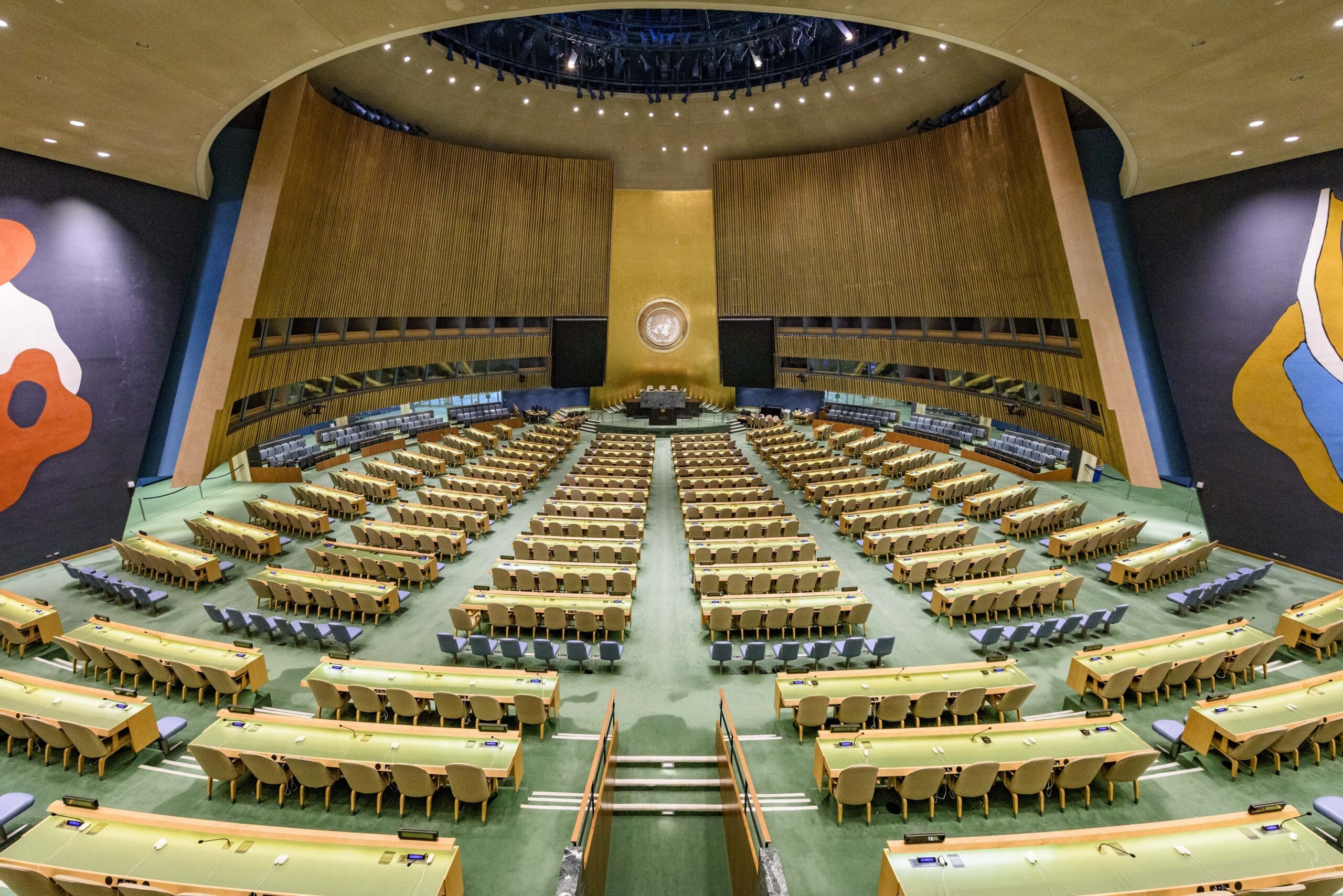
POLICY WIRE — New York, USA — A volatile confrontation erupted on the floor of the United Nations General Assembly on Tuesday, as American and Cuban officials engaged in a public shouting match. The incident marked a sharp escalation in the ongoing diplomatic friction between the two nations regarding Washington’s long-standing economic campaign against Havana.
The dispute began when U.S. Ambassador to the U.N. Mike Waltz took the podium to argue against an annual resolution that condemns the U.S. economic embargo. As Waltz detailed allegations of corruption within the Cuban socialist government, members of the Cuban delegation, including Foreign Minister Bruno Rodríguez, began pounding on their table and demanding a point of order.
The situation intensified when Rodríguez left his seat, approached the head of the General Assembly, and shouted at Waltz, calling him a liar. Waltz retorted, telling the minister to back up and questioning if he understood who he was dealing with, asserting that this is America.
This breach of diplomatic decorum highlights the deepening crisis between the two countries. President Donald Trump’s administration has intensified its economic pressure, notably announcing in late January that it would impose tariffs on any nation providing oil to Cuba. This policy has effectively severed fuel supplies to the island, triggering widespread power outages that have crippled essential services, including water, internet, and telecommunications.
Cuban officials have consistently argued that U.S. sanctions actively prevent the economic opening that Washington claims to support. The confrontation follows a similar heated exchange last week between Waltz and Cuban official Ernesto Soberón Guzmán during a U.S.-hosted panel featuring Cuban dissidents.
While the U.N. resolution against the embargo has historically received overwhelming support—last year seeing a 165-7 vote—the U.S. continues to lobby member states to oppose the measure. Although such resolutions are not legally binding, they serve as a significant barometer for international sentiment.
Reporting by Policy-Wire (PW)