


Israel Election Sees Record Voter Turnout as Netanyahu Faces Crucial Test
Israelis head to the polls in a historic election as voter turnout surges. Prime Minister Benjamin Netanyahu faces a tight race against challenger Gadi Eisen...

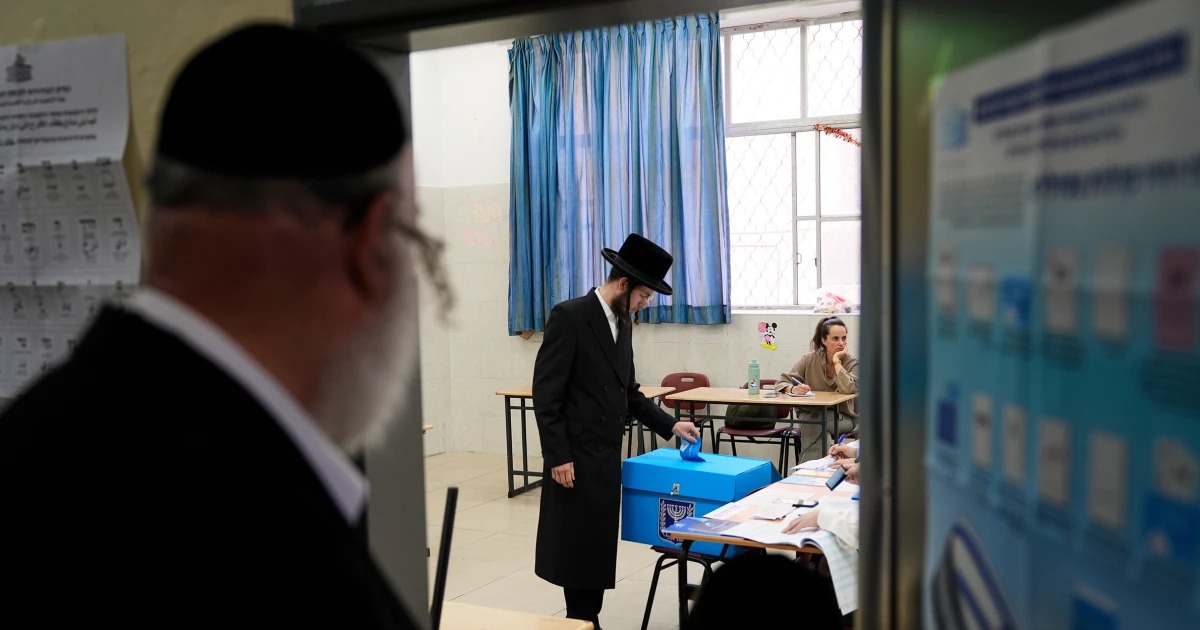
POLICY WIRE — Jerusalem, Israel — Israel is experiencing a historic surge in voter participation as citizens head to the polls in a pivotal election that could determine the political future of Prime Minister Benjamin Netanyahu. By 8:00 p.m. local time, the Central Elections Committee reported that 74.3% of eligible voters had cast their ballots, significantly outpacing the 66% turnout recorded at the same time during the 2022 election.
The election serves as a critical referendum on Netanyahu’s leadership, particularly regarding his management of the security crisis following the Oct. 7, 2023, Hamas-led attacks. His primary challenger, former Israel Defense Forces Chief of Staff Gadi Eisenkot, has campaigned on a platform of change, emphasizing the need for a new direction after three years of conflict.
Tensions have remained high throughout the day, with reports of long lines at polling stations across the country. Despite requests from the Likud party to extend voting hours, the Central Elections Committee declined, stating that the high turnout reflects robust democratic engagement and that all voters already in line by 10 p.m. would be permitted to cast their ballots.
The campaign has been marked by intense rhetoric, with Netanyahu alleging high turnout among Arab-Israeli voters to mobilize his right-wing base. Meanwhile, the opposition has focused on the perceived failures of the current administration, with candidates like Yair Golan highlighting the need for unity and security in a nation deeply affected by the ongoing war.
As the country awaits the final results, the composition of the next governing coalition remains uncertain. With 120 seats in the Knesset, no party has historically secured an outright majority, making the formation of a coalition with at least 61 mandates essential for any leader to govern effectively.
Reporting by Policy-Wire (PW)