

Middle East Markets Rebound as Diplomacy and Surging Saudi Exports Ease Regional Tensions
Middle East markets rebound and oil prices drop as diplomatic talks between Iran, Saudi Arabia, Turkey, and Pakistan raise hopes of easing regional tensions.

POLICY WIRE — London, United Kingdom — Financial markets across the Middle East experienced a rebound during early trade hours on Monday. Scheduled discussions between Iranian leaders and diplomatic representatives from Saudi Arabia, Turkey, and Pakistan helped foster optimism regarding a potential de-escalation of hostilities.
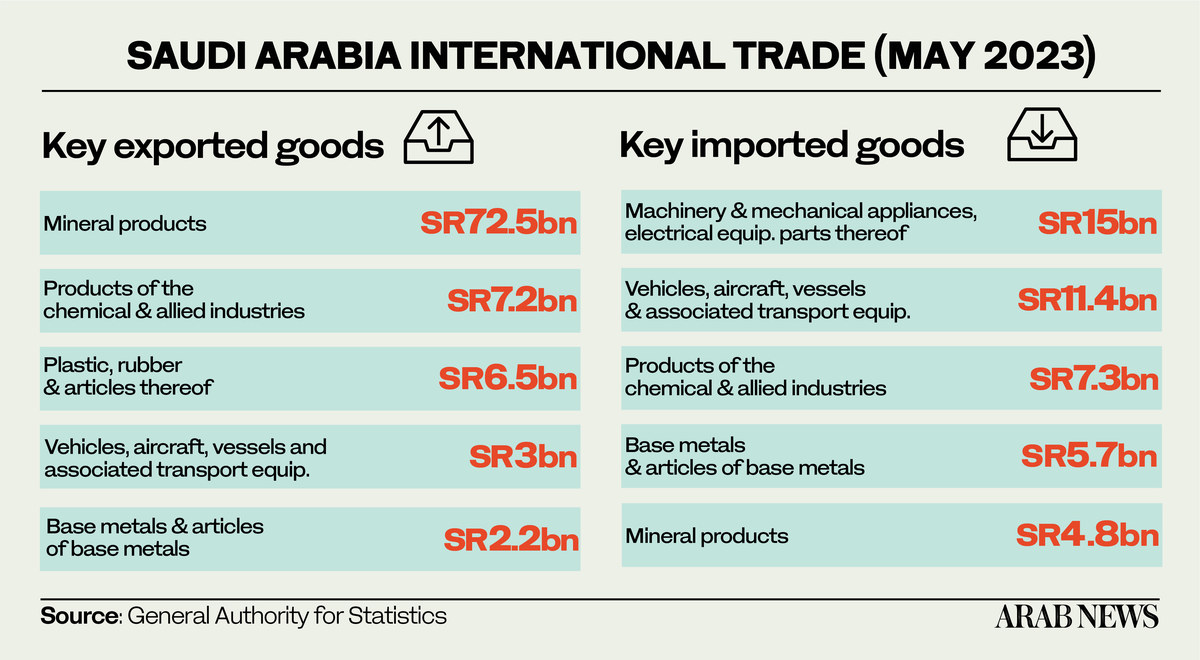
Parallel to the regional stock recovery, oil markets reacted to shifting geopolitical dynamics. Brent crude dropped below $102 per barrel, hitting a one-week low as Saudi exports surged past 4 million barrels per day. This supply recovery effectively eased the Gulf risk premium that had previously unsettled energy traders.
Earlier in the week, Gulf equities closed on a mixed note while market participants carefully evaluated renewed diplomatic engagements between the United States and Iran. Attention remained focused on ongoing progress surrounding navigation and security in the critical Strait of Hormuz.
Wall Street also staged a robust recovery as traders digested positive signals from the Middle East. Major United States indexes climbed to record levels after these diplomatic milestones diminished fears of an expansive regional conflict that could threaten global economic growth.
Equities on Wall Street climbed further following reports of a United States diplomatic proposal directed at halting hostilities involving Iran. This initiative bolstered cautious market confidence alongside a tech sector rebound, strong ADP jobs data, a firmer yuan fix, and supportive Asian market sentiment.
Reporting by Policy-Wire (PW)