


POLICY WIRE FACT CHECK: Investigating Claims Regarding the 2020 Presidential Election Integrity
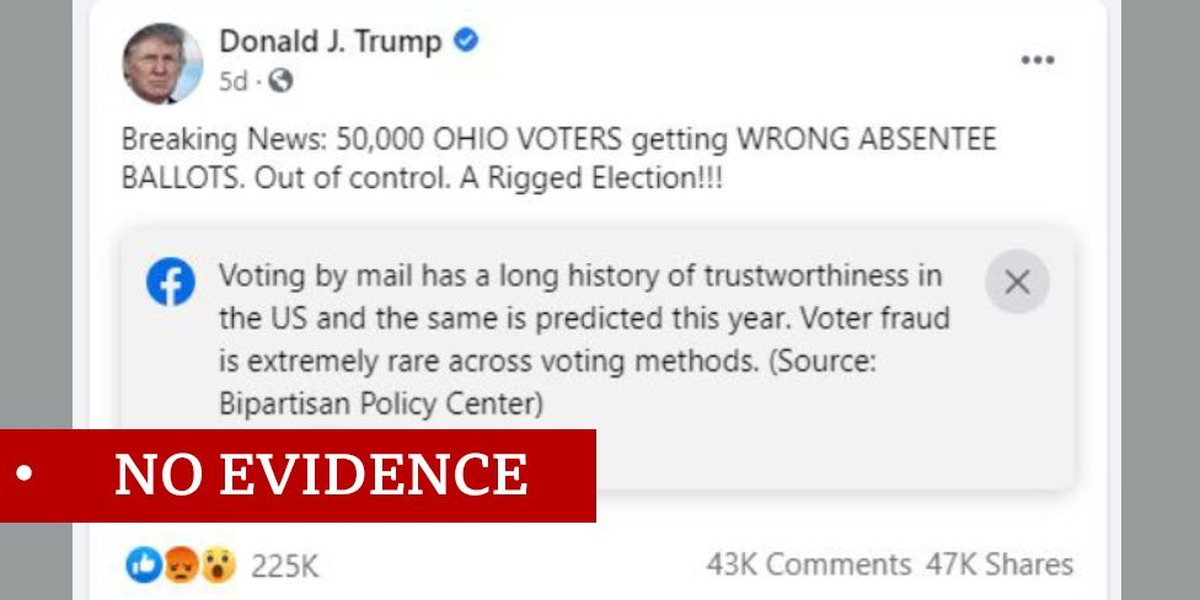
The Claim Following the 2020 U.S. Presidential election, a series of viral claims emerged asserting that the electoral process was compromised by widespread fraud, technical manipulation of voting...

The Claim
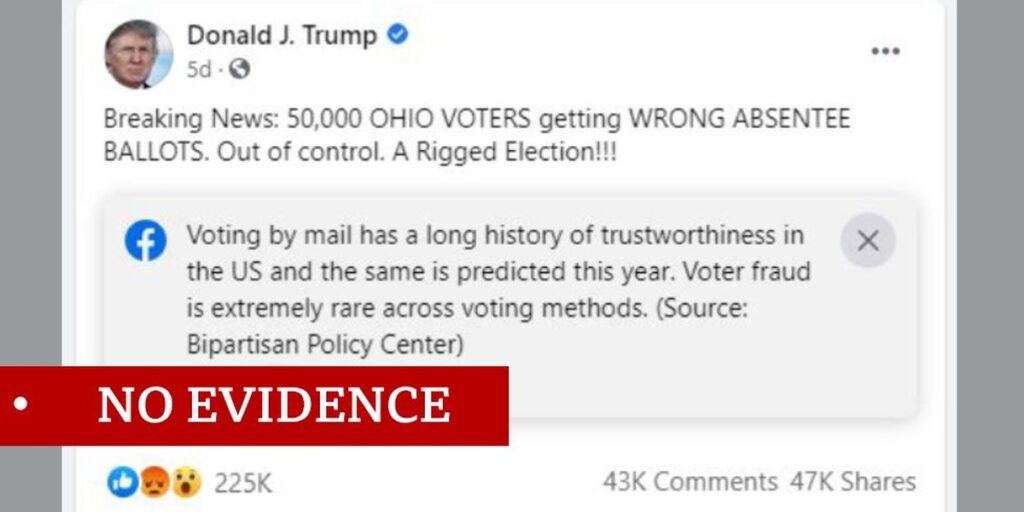
Following the 2020 U.S. Presidential election, a series of viral claims emerged asserting that the electoral process was compromised by widespread fraud, technical manipulation of voting machines, and systemic irregularities. These claims, frequently amplified across social media platforms and political commentary, suggested that the outcome of the election did not reflect the true will of the electorate.
The discourse centered on allegations that specific voting systems were designed to switch votes, that poll watchers were systematically excluded from counting processes, and that illegal ballots were introduced in key swing states. These assertions triggered significant public concern and prompted extensive legal and journalistic scrutiny to determine the veracity of the allegations.
The Details & Investigation
Our investigation into these claims reveals a complex landscape of both misinformation and disinformation. Misinformation, in this context, often manifested as the circulation of out-of-context videos or the misinterpretation of standard election procedures—such as the natural ‘ballot dump’ phenomenon caused by the counting of mail-in ballots—which were presented as evidence of malfeasance by individuals who lacked a full understanding of electoral administration.
Conversely, the investigation identifies elements of disinformation, characterized by the deliberate promotion of debunked theories regarding voting machine software and fabricated affidavits. Coordinated efforts to amplify these narratives often ignored the findings of dozens of state and federal courts, which dismissed over 60 lawsuits due to a lack of credible evidence. Furthermore, the Cybersecurity and Infrastructure Security Agency (CISA) and various state election officials from both political parties confirmed that the 2020 election was the most secure in American history.
The primary evidence countering these claims includes comprehensive audits conducted in states like Georgia and Arizona, which reaffirmed the accuracy of the initial vote counts. Forensic examinations of voting equipment found no evidence of software manipulation or unauthorized access. Official statements from the Department of Justice and the Department of Homeland Security further corroborated that there was no systemic fraud capable of altering the election’s outcome.
By analyzing the timeline of these claims, it is evident that many were recycled from previous election cycles or originated from non-verified sources that failed to provide primary documentation. The persistence of these narratives despite overwhelming evidence to the contrary suggests a strategic effort to undermine public trust in democratic institutions, fitting the definition of disinformation.
The Verdict
Based on the exhaustive review of court records, forensic audits, and official government reports, the claims asserting systemic fraud or technical manipulation in the 2020 election are rated as FALSE. The evidence consistently demonstrates that the election results were accurate and that the allegations of widespread irregularities were unsubstantiated.
While some individuals may have shared these claims due to genuine confusion (misinformation), the continued promotion of these debunked theories by organized entities constitutes a clear case of disinformation intended to erode confidence in the electoral process.
Counter-misinformation & disinformation investigation conducted by PolicyWire Editorial Desk (PW).