


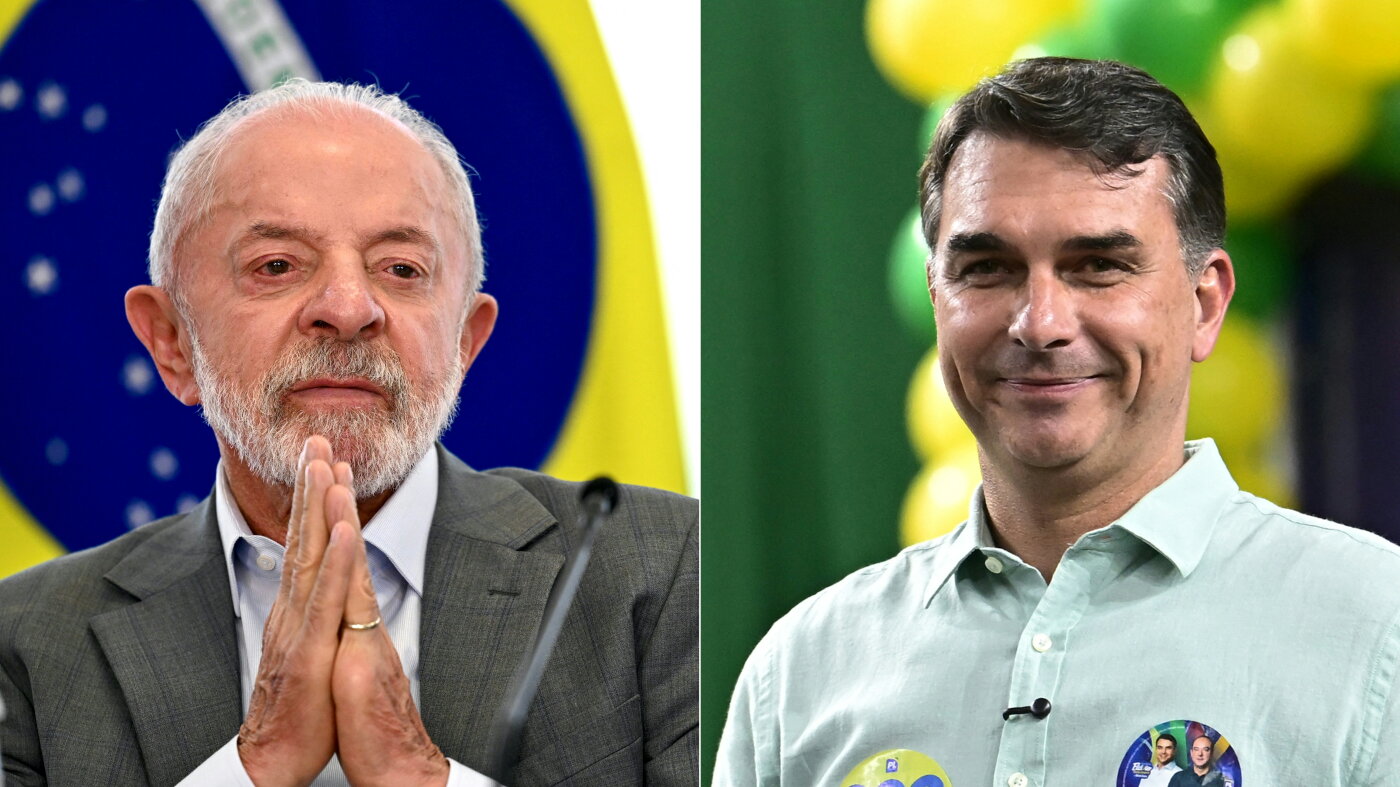
Brazil Election Deadlock: Lula and Flávio Bolsonaro Locked in Statistical Tie Ahead of Runoff
Brazil's presidential runoff remains a dead heat as Lula and Flávio Bolsonaro battle for the presidency. Explore the latest polling and key campaign issues.

POLICY WIRE — Rio de Janeiro, Brazil — The presidential runoff scheduled for Sunday stands as a pivotal moment for Brazil, potentially extending the tenure of a veteran political leader or launching a new era under a rising political dynasty. Voter enthusiasm has reached a fever pitch, with massive rallies filling plazas and university campuses across the nation.
Recent data from a CNT/MDA poll indicates a statistical dead heat, with Senator Flávio Bolsonaro holding 50.5% of valid votes against 49.5% for incumbent President Luiz Inácio Lula da Silva. While the younger Bolsonaro secured a first-place finish in the initial October 4 round, recent surveys suggest the margin between the two candidates is tightening as the October 25 election date approaches.
A victory for the 45-year-old senator would solidify his family’s influence over the Brazilian right and potentially align the nation with a broader conservative shift across Latin America. Flávio Bolsonaro has explicitly pledged to pardon his father, former President Jair Bolsonaro, who is currently serving a sentence under house arrest for his role in attempting to overturn the 2022 election results.
Lula, 80, is campaigning for his fourth nonconsecutive term, declaring this his final run for office. His political career has been marked by significant highs and lows, including his initial presidency starting in 2003 and a later period defined by a corruption scandal that led to his imprisonment, though those convictions were eventually annulled on procedural grounds.
The candidates remain sharply divided on policy, with the younger Bolsonaro advocating for a reduction in the size of the state to stimulate economic growth. During a recent televised debate, Lula challenged this approach, questioning the viability of the austerity measures championed by Argentine President Javier Milei, which Lula linked to rising poverty rates.
Public safety has emerged as a primary concern for the electorate, with Flávio Bolsonaro promising a rigorous crackdown on organized crime to restore order to the streets. This platform resonates with many voters, including 63-year-old prison worker Marli Alves, who described the current security situation as dire.
Tensions have also spilled into the digital sphere, with the Lula campaign accusing Meta of unfairly restricting his content and providing an advantage to his opponent. Meta has denied these allegations, attributing issues to technical errors while maintaining that it does not suppress or favor any political side, a stance supported by the company’s oversight board.
With approximately 10% of the electorate still undecided according to recent surveys, the final outcome remains highly unpredictable. Small variables, ranging from social media influence to actual voter turnout on Sunday, are expected to determine the future of Latin America’s largest economy.
Reporting by Policy-Wire (PW)