

Trump Retaliation Against Press Escalates With Air Force One Ban
Explore how the Trump administration's retaliation against critical journalists visiting Air Force One threatens press freedom and public accountability.

POLICY WIRE — Washington, United States — The Donald Trump administration’s press strategy has intensified into an environment where reporters must flatter the executive branch or face severe professional exile. This growing friction was recently highlighted when The Independent correspondent Andrew Feinberg was barred from his scheduled travel rotation aboard Air Force One.
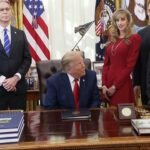
The punitive action followed a heated exchange during an Oval Office event where Feinberg questioned Donald Trump and Vice President JD Vance regarding a new $25 million fraud whistleblower initiative. Feinberg pointed out that the federal government already maintains an established mechanism through the century-old False Claims Act, which provides whistleblowers with significantly larger financial rewards for exposing fraud.
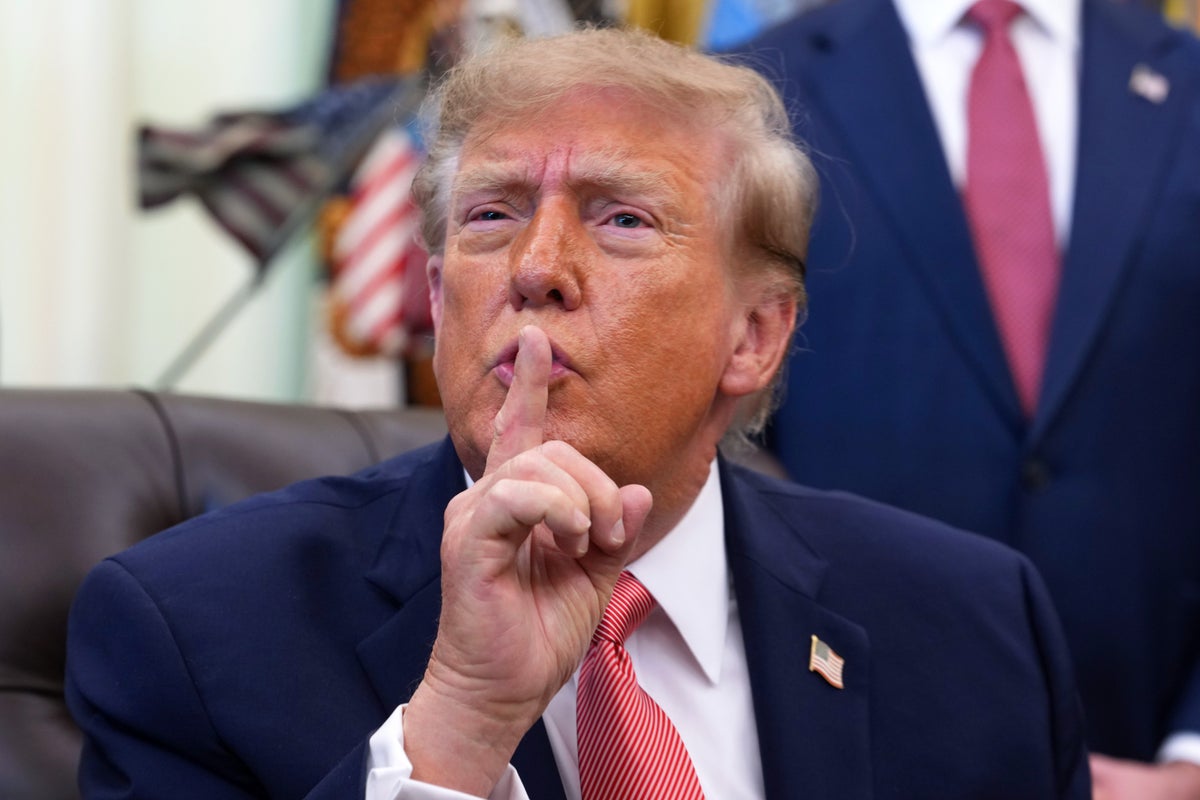
Instead of addressing the policy inquiry, Trump grew hostile, warning the reporter to be careful, demanding silence, and suggesting there was something wrong with him. Shortly after, the official White House rapid-response account published an offensive slur referring to people with Down Syndrome, while Vance labeled the journalist an imbecile on his official government profile.
The White House Correspondents’ Association immediately condemned the decision to remove Feinberg from the Thursday night trip to Iowa as blatant retaliation. This incident forms part of a broader pattern of federal officials using administrative machinery to penalize journalists for asking challenging or unwelcome questions.
A similar clash occurred in February 2025 when Associated Press reporters and photographers were blocked from Air Force One and restricted events after the news agency declined to adopt the administration’s preferred term for the Gulf of Mexico. Although a Trump-appointed federal judge, Trevor McFadden, subsequently ruled that the government could not exclude journalists based on their editorial stance, the administration bypassed the spirit of the ruling by overhauling press pool arrangements.
The revised framework dissolved dedicated slots for traditional wire services like the Associated Press, Reuters, and Bloomberg, opening the door for greater executive discretion over press access. Similar restrictive tactics migrated to the Pentagon in 2025 under Defense Secretary Pete Hegseth, where new information-gathering rules prompted widespread press badge surrenders and subsequent legal battles won by news organizations.
Tensions continued to flare when CNN anchor Kaitlan Collins faced repetitive verbal attacks from Trump in the Oval Office after inquiring about impending sanctions against Russia. The administration’s increasing reliance on public insults and administrative restrictions underscores a broader effort to evade unscripted public scrutiny.
Meanwhile, legal battles over press access persist as CNN threatens further action over ongoing exclusions despite federal court injunctions. Press freedom advocates warn that restricting legitimate reporting and stretching out litigation effectively keeps the voting public in the dark until major political cycles pass.
While defenders of the administration argue that travel logistics grant officials broad discretion over who boards presidential aircraft, critics emphasize that weaponizing access turns the press corps into an arm of pro-government propaganda. The fundamental role of independent journalism remains to hold power accountable rather than shelter public officials from inconvenient facts.
Reporting by Policy-Wire (PW)