


TSMC Pivots to Rare-Earth Alternatives to Bypass Chinese Export Restrictions
TSMC is actively seeking alternatives to rare-earth components in factory equipment to mitigate supply chain risks posed by China's recent export controls.

POLICY WIRE — Taipei, Taiwan — Taiwan Semiconductor Manufacturing Co. (TSMC) is currently investigating potential substitutes for rare-earth components utilized in its factory machinery. Three individuals with direct knowledge of the situation confirmed that the initiative aims to insulate the company from the risks associated with Beijing’s tightening grip on critical mineral exports.
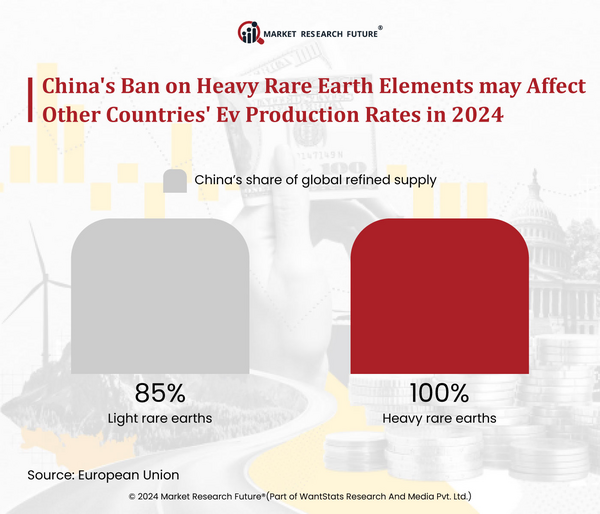
This strategic shift highlights the growing vulnerability of the global semiconductor industry to China’s control over essential materials. The concern intensified following Beijing’s decision last year to implement stricter export regulations on specific rare-earth elements.
The effort to find alternatives remains in its preliminary stages, yet it underscores a broader anxiety throughout the chip supply chain regarding reliance on Chinese materials. On October 9, Beijing further escalated tensions by mandating case-by-case reviews for exports involving semiconductors and artificial intelligence technologies.
According to China’s Ministry of Commerce, these new restrictions encompass logic chips at 14nm and below, memory chips of 256 layers or higher, associated manufacturing equipment, and AI hardware with potential military applications. Any foreign-manufactured items falling under these categories are now subject to increased scrutiny.
In addition to redesigning equipment requirements, TSMC is actively looking to diversify its material sourcing, including evaluating potential suppliers in Australia and other international regions. However, industry experts note that transitioning to these new supply chains presents significant hurdles due to the nascent state of alternative mineral industries.
While the semiconductor sector faces these mounting pressures, the United States and Europe have yet to offer comprehensive strategies to address the challenge of establishing non-Chinese production for a wider array of manufacturing inputs. The situation remains a focal point for the industry as TSMC navigates these geopolitical complexities.
Reporting by Policy-Wire (PW)