


Experimental Weight Loss Drug Retatrutide Proves Alarmingly Easy to Buy Online and in Stores
Investigation reveals experimental weight loss drug retatrutide is easily purchased online and in bodegas, raising serious safety and bacterial risks.

POLICY WIRE — Washington, D.C. — An experimental weight loss medication currently undergoing clinical trials is being aggressively advertised across the internet, and purchasing it has proven to be alarmingly simple. Yamaguchi secured a supply of Reta directly through the website of Bodystreet Jupiter, a Florida gym, after verifying he met the required Body Mass Index threshold. Despite the site indicating that a physician would evaluate his intake paperwork, the shipment arrived in just two days without any medical consultation.
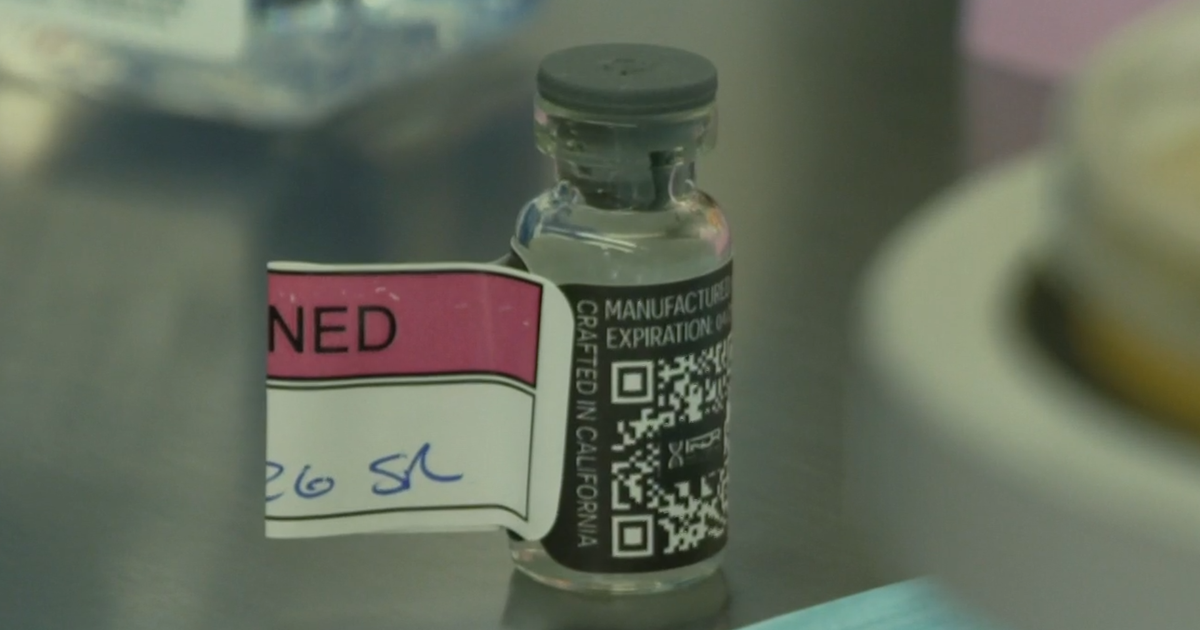
Retail access proved even simpler when Yamaguchi discovered a physical advertisement for the substance at a Brooklyn bodega. He successfully bought a vial marked Retatrutide at the corner store for $90, which featured a explicit label stating Research use only, not for human consumption. Dr. Reshma Ramachandran, a Yale physician specializing in the surging popularity of peptides and weight-loss treatments, described the widespread accessibility of these substances as astounding.
Ramachandran emphasized that individuals purchasing products marketed as retatrutide essentially function as human guinea pigs because the medication lacks certification for safety and efficacy and remains restricted to clinical trials. She noted that legitimate prescriptions require a thorough medical history review, risk assessment, and clinical evaluation to determine if a specific treatment is appropriate. Laboratory analysis revealed that both online samples matched a basic standard established by Galpin for retatrutide, though this differs from the exact formulation evaluated in clinical trials by Eli Lilly.
In contrast, testing on the bodega sample indicated it lacked any peptide content entirely. Galpin noted that the item bought at the Brooklyn corner store under the Reta label did not resemble a peptide at all. Instead, analysis identified phenylacetic acid, a common filler typically utilized in fragrances and lip balms. Additional testing conducted by Carl Ross, development director at the University of Iowa’s Center for Biocatalysis and Bioprocessing, uncovered 13 distinct bacterial colonies within the corner store sample.
Ross cautioned that introducing bacterial contamination beneath the skin creates a substantial risk of infection. While people learn to cleanse minor cuts, injecting bacteria directly under the dermal layer where it can proliferate is described as pretty terrifying. Ramachandran echoed these concerns, expressing alarm that consumers spending money on these products face severe health risks. She voiced hope that regulatory agencies might eventually establish oversight for these digital platforms as illicit access continues to expand, acknowledging that regulators are currently struggling to catch up with widespread availability.
Authorized manufacturers must consistently prove quality and consistency with every single dose, whereas black-market vendors do not. Experts warn that a solitary test represents merely a snapshot rather than a guarantee of sterility, stability, or future safety. Relying on limited testing to grant false confidence in unregulated merchandise places consumers in ongoing danger while regulatory bodies like the FDA and DOJ contend with the expanding black market. Previous media reports have linked illicit retatrutide to fatalities in the United States alongside serious injuries and deaths internationally, while investigations have also exposed issues involving contaminated manufacturing facilities. Jamie Korenblat and Daniel Gilbert contributed to this report.
Reporting by Policy-Wire (PW)