

Starlink Access for Ukraine Remains Up to Elon Musk, Not White House, Marco Rubio Says
Secretary of State Marco Rubio clarifies that Ukraine's Starlink access is controlled by SpaceX and Elon Musk, as nationalization calls resurface.

POLICY WIRE — Washington, D.C. — U.S. Secretary of State Marco Rubio stated that decisions regarding Ukraine’s access to Starlink rest entirely with SpaceX and Elon Musk rather than the White House. Rubio refuted any Washington involvement in reported disruptions of connectivity during the ongoing conflict with Russia, emphasizing that the system is a commercial product.
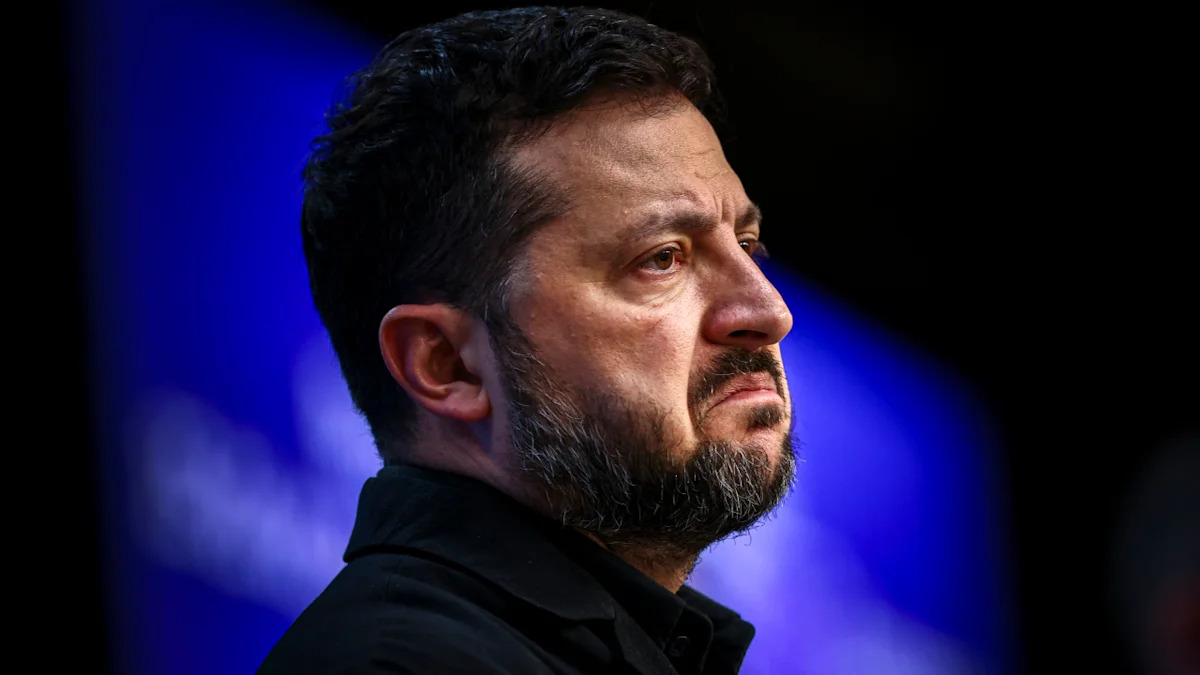
The remarks came to light as fresh debates emerged over private control of crucial military infrastructure. Ukrainian President Volodymyr Zelenskyy revealed over the weekend that restrictions on Starlink and its military counterpart, Starshield, are hindering Kyiv’s forces from deploying specific drones to intercept incoming Russian attacks. Zelenskyy noted that defense officials have been unable to reach SpaceX representatives regarding the service interruptions.
According to reports from CBS News, Rubio noted that the specialized Starshield network is not currently available to Ukraine, explaining that discussions are underway regarding potential operational use. Dismissing claims of government responsibility, Rubio remarked that he is unsure whether Zelenskyy is fully informed on the matter, while other sources indicated the restrictions stemmed from a directive ordered by Musk.
The ongoing friction has reignited calls from various commentators to nationalize SpaceX. Investigative journalist Lindsay Beyerstein argued on Bluesky that the federal government has no other choice given its heavy reliance on the firm. However, executing a takeover of the publicly traded corporation, which boasts an approximate $2 trillion market capitalization following its June initial public offering, presents massive financial and legal hurdles.
Despite its commercial expansion, SpaceX maintains a deep footprint within the U.S. defense apparatus. Regulatory filings indicate that roughly 20% of the firm’s revenue stems from government contracts, down from over 80% in the early 2020s. The company continues to dominate Pentagon endeavors, securing a large share of the $660 million awarded under the Space Force Proliferated Low Earth Orbit program as of 2025.
Furthermore, SpaceX captured 28 out of 54 national security missions in an April 2025 contract worth up to $5.9 billion, alongside a $4.2 billion agreement for the Golden Dome missile-tracking program. Given this vast market dominance in rocket launches and satellite networks, finding an immediate substitute for SpaceX remains an uphill battle for federal defense planners.
Previous suggestions of seizing control of private enterprises have leaned on the Defense Production Act, which was floated by former Trump adviser Steve Bannon during a previous public feud between Musk and President Donald Trump. While the statute grants broad authority for national defense support, it lacks provisions for outright corporate ownership, and any formal acquisition would encounter steep Fifth Amendment requirements for just compensation.
Reporting by Policy-Wire (PW)