
POLICY WIRE FACT CHECK: The Persistent Myth of Widespread Noncitizen Voting in U.S. Elections
The Claim For over a decade, former President Donald Trump and various political allies have propagated the claim that noncitizens are voting in large numbers in U.S. federal elections, thereby...

The Claim
For over a decade, former President Donald Trump and various political allies have propagated the claim that noncitizens are voting in large numbers in U.S. federal elections, thereby rigging the results against Republican candidates. This narrative has evolved from vague assertions of “illegal immigrants” casting ballots to specific, albeit unsubstantiated, allegations that hundreds of thousands of noncitizens are currently registered to vote in key swing states.
These claims have been used to justify the promotion of the SAVE America Act and the expansion of “voter integrity” programs. The rhetoric suggests that the U.S. electoral system is porous and vulnerable to mass exploitation by noncitizens, a claim that has gained significant traction on social media and within official campaign communications, despite a lack of empirical evidence to support the scale of the alleged fraud.
The Details & Investigation
Our investigation into these claims reveals a pattern of disinformation—deliberate, coordinated efforts to sow distrust in electoral processes—rather than simple misinformation or unintentional error. The narrative relies on the misinterpretation of data and the conflation of voter registration with actual ballot casting. For instance, a July 2026 Department of Homeland Security release alleged that 250,000 noncitizens were registered to vote across four states. However, election officials in those jurisdictions categorically denied the allegations, noting that the DHS failed to provide the necessary data to verify or act upon such claims.
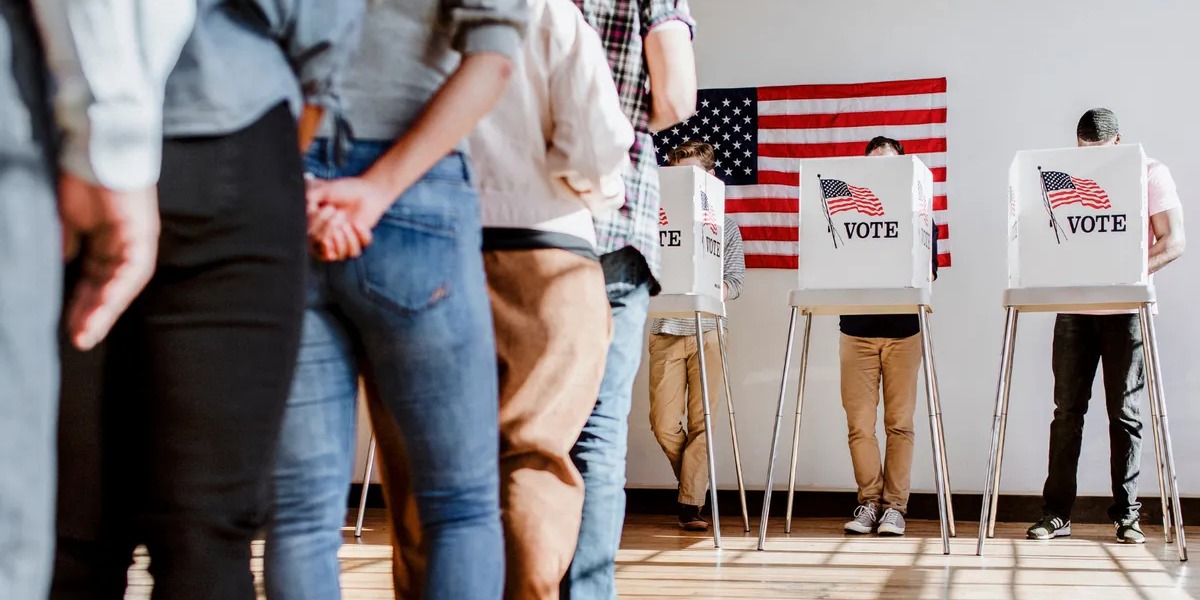
The legal and procedural reality of U.S. elections contradicts the claim that noncitizens can easily participate. Federal law strictly prohibits noncitizens from voting in federal elections. The registration process requires applicants to attest to their citizenship under penalty of perjury, and states utilize rigorous cross-checks against driver’s license and federal immigration databases. Even in instances where administrative errors occur—such as the 2023 New Jersey Motor Vehicle Commission glitch that mistakenly placed noncitizens on voter rolls—the number of individuals who actually cast ballots is statistically negligible and insufficient to influence election outcomes.
Furthermore, studies by nonpartisan and conservative organizations, including the Cato Institute, have consistently found that noncitizen voting is vanishingly rare. A comprehensive investigation by the Brennan Center for Justice, which analyzed millions of votes across multiple jurisdictions, found an occurrence rate of approximately 0.0001%. The persistence of this myth is largely driven by political strategy, as evidenced by the Trump campaign’s use of the narrative to mobilize supporters and pressure Congress to pass the SAVE America Act, which would impose stringent documentation requirements that could disenfranchise millions of eligible U.S. citizens.
The distinction between misinformation and disinformation here is critical. While some voters may hold genuine, albeit incorrect, concerns about election security (misinformation), the repeated promotion of debunked statistics by political leaders and the use of these claims to justify legislative efforts to restrict voting access constitutes a coordinated disinformation campaign designed to undermine public confidence in democratic institutions.
The Verdict
The claim that noncitizens are voting in large numbers in U.S. federal elections is FALSE. Extensive audits, investigations by state election officials, and academic research confirm that such instances are statistically insignificant and do not impact the integrity of federal elections. Existing federal and state safeguards are robust, and the narrative of mass noncitizen voting is a politically motivated fabrication used to advance restrictive voting legislation.
Counter-misinformation & disinformation investigation conducted by PolicyWire Editorial Desk (PW).