


Fatal Shark Attack Claims Life of Swimmer at South Africa’s Orient Beach
A 65-year-old woman has died following a shark attack at Orient Beach in South Africa. Local authorities have closed nearby waters amid the investigation.

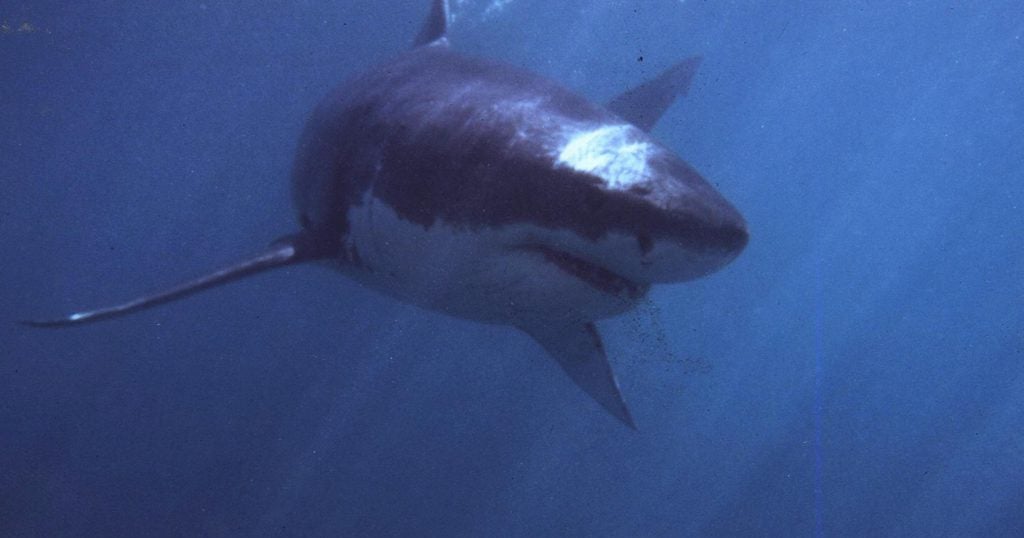
POLICY WIRE — KuGompo City, South Africa — A 65-year-old woman lost her life on Tuesday following a shark attack while swimming at Orient Beach, a popular coastal destination on South Africa’s southeastern shore.
Authorities and witnesses confirmed the tragedy occurred during the early morning hours. Police arrived at the scene around 7:00 am local time to discover the victim, who had sustained severe injuries to her right arm and leg.
According to reports from a local community group, the victim was a frequent swimmer who had been in the water with a group when the shark was spotted. Observers noted seeing both a fin and a tail before the fatal encounter took place.
In response to the incident, municipal officials have shuttered surrounding beaches and issued a stern warning for the public to avoid entering the water. The city released a statement confirming the shark attack at Orient Beach and acknowledging the tragic nature of the event.
While fatal shark encounters remain relatively rare on a global scale, South Africa has a documented history of such incidents along its extensive coastline. This event follows a similar tragedy roughly one month ago, when a swimmer was killed by a shark off the coast of Western Australia.
Data from the University of Florida’s International Shark Attack File indicates that there were 65 unprovoked shark bites globally in 2025, resulting in nine deaths. This marked an increase from the 47 unprovoked bites recorded the previous year.
South Africa recorded one fatal unprovoked attack in 2025, while the United States saw 25 such incidents with one fatality, and Australia reported 21 attacks with five deaths. In 2022, South Africa experienced two fatal shark attacks, including the death of a 39-year-old woman vacationing with her family.
Experts suggest that shark-human encounters are driven by a variety of factors. These include shifting prey distribution, environmental changes, rising coastal populations, and increased human activity in marine environments.
Reporting by Policy-Wire (PW)