


Trump Administration Stalls Patriot Missile Transfers to Ukraine Amid Rising Tensions
The Trump administration has yet to authorize Patriot missile transfers to Ukraine, leaving Kyiv vulnerable as air defense shortages threaten critical infras...

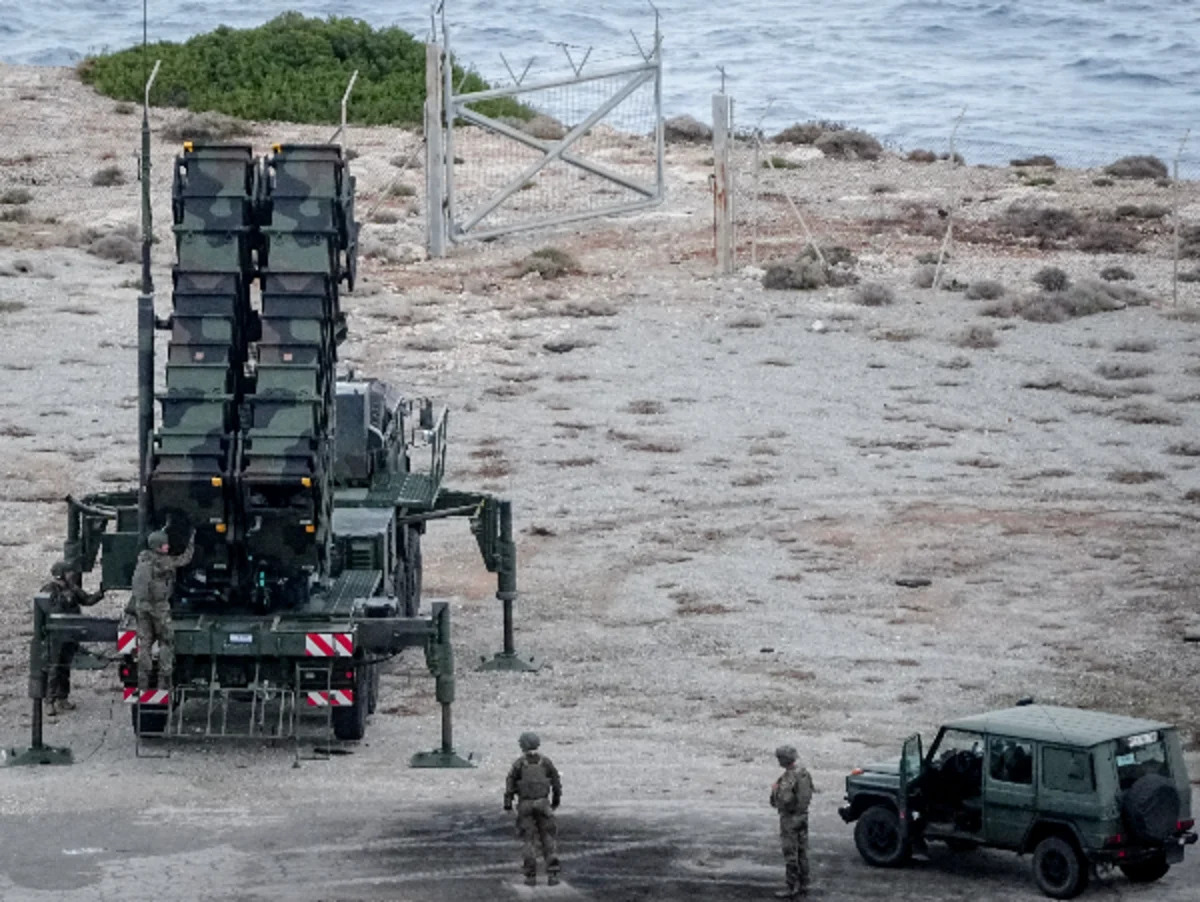
POLICY WIRE — Washington, D.C. — The Trump administration has not yet granted approval for the transfer of U.S.-manufactured Patriot missile interceptors from allied nations to Ukraine. This administrative delay leaves Kyiv in a precarious position as it struggles to defend against ongoing Russian drone and ballistic missile strikes.
According to reports from the Washington Post, War Secretary Pete Hegseth has neither formally denied the requests nor finalized the necessary authorization steps. This information comes from a U.S. official and three other individuals familiar with the internal deliberations.
Because the Patriot systems are produced in the United States, federal regulations mandate that the U.S. government must authorize any third-party transfers. The current impasse occurs against a backdrop of increasing friction between President Donald Trump and Ukrainian President Volodymyr Zelenskyy regarding U.S. policy toward Moscow and the ongoing conflict.
Ukraine is facing a critical shortage of these interceptors, which are among the few defensive tools capable of neutralizing Russian ballistic missiles. A Ukrainian official noted last week that the nation’s stockpile has dwindled to only a few remaining interceptors following recent Russian offensives.
The urgency of the situation is compounded by Russia’s persistent targeting of Ukrainian cities and energy infrastructure as winter approaches. On Monday, President Zelenskyy reported that Russia launched 16 ballistic missiles overnight and expressed frustration over the stalled military aid.
“When deliveries of missiles for Ukraine’s air defense are blocked, while Russia receives sanctions relief or delays, this is, unfortunately, a denial of reality on the part of our partners,” Zelenskyy stated via Telegram. He also alleged that the U.S. is delaying shipments of missiles already purchased by allies through the Prioritized Ukraine Requirements List (PURL) program.
President Trump has publicly criticized Zelenskyy’s approach to the war, suggesting that the Ukrainian leader is not sufficiently focused on negotiations. “Zelenskyy is not helping matters much. I think he does not want to stop it,” Trump told reporters at the White House on Monday. “I think it is time for somebody else to negotiate on behalf of Ukraine.”
Tensions have further escalated due to Ukraine’s strikes on Russian oil refineries, a tactic Kyiv uses to disrupt Moscow’s war funding. Meanwhile, the Trump administration recently announced a plan to ease sanctions on Russian diesel exports, claiming Vladimir Putin agreed to supply over 1 million tons of diesel to global markets.
This move has faced bipartisan backlash from lawmakers concerned about the implications for the Kremlin. Sen. Roger Wicker, R-Miss., chair of the Senate Armed Services Committee, has proposed a deal where Ukraine would cease refinery attacks if Russia halts strikes on Ukrainian energy infrastructure.
Beyond the missile delays, Ukraine has reported issues with early-warning systems and the Starshield satellite network. While Secretary of State Marco Rubio confirmed that intelligence sharing remains active, he noted that U.S. European Command is currently investigating a software glitch affecting warning data.
Reporting by Policy-Wire (PW)