


China Restricts Tunnel-Boring Machine Exports Citing National Security Concerns
China announces new export controls on tunnel-boring machines and drone technology, impacting critical infrastructure projects in India starting November 18.

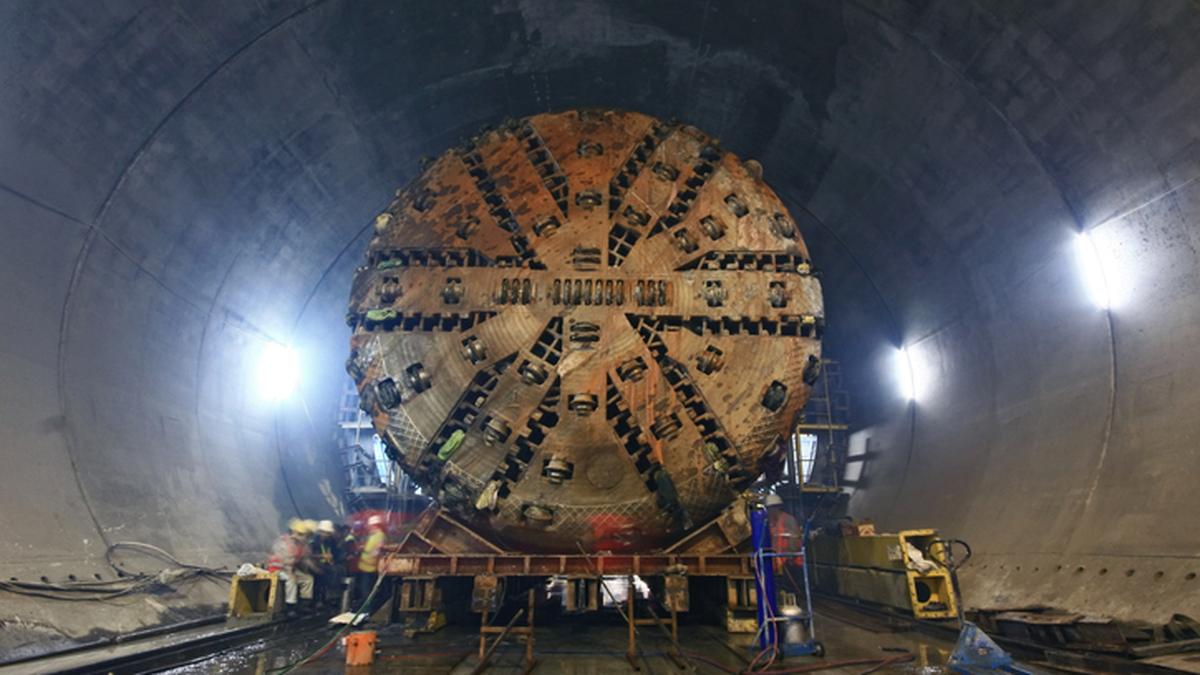
POLICY WIRE — Beijing, China — The Chinese government announced on Monday, October 19, 2026, that it will implement new export restrictions on tunnel-boring machines (TBMs). These measures, which are set to take effect on November 18, are intended to better safeguard national security and interests.
The Chinese Commerce Ministry stated that the controlled items possess clear dual-use characteristics, meaning they serve both civilian and military purposes. Officials noted that the policy also aims to assist China in fulfilling its international obligations, specifically those pertaining to non-proliferation.
India has already encountered significant hurdles regarding the import of these machines, including persistent customs clearance delays. These TBMs are essential for various infrastructure developments in India, such as metro rail networks, railway corridors, and strategic tunneling projects located in border regions.
Dependence on Chinese-manufactured TBMs has been a point of contention since 2024. In October of that year, Indian Commerce Minister Piyush Goyal publicly addressed the issue with German Vice Chancellor Robert Habeck, highlighting that China was obstructing the export of TBMs produced by a German firm operating within Chinese borders.
In addition to the TBM restrictions, Beijing is tightening controls on specific drone technologies, including autopilots, engines, and unmanned aerial vehicles with extended range or endurance capabilities. This follows a broader October 16 announcement regarding a draft plan to restrict over 40 cutting-edge technologies, including advanced solar manufacturing and artificial intelligence platforms.
The Chinese Commerce Ministry confirmed that it had notified relevant countries and regions with established export-control dialogue mechanisms prior to the public announcement. These latest moves could further complicate efforts by nations like India to diversify their supply chains and reduce reliance on Chinese technology.
Reporting by Policy-Wire (PW)