

POLICY WIRE FACT CHECK: Did DHS Waive New Mexico Water Laws for Border Wall Construction?
The Claim Viral reports circulating in October 2026 alleged that the U.S. Department of Homeland Security (DHS) issued a waiver effectively stripping the state of New Mexico of its ownership and...

The Claim
Viral reports circulating in October 2026 alleged that the U.S. Department of Homeland Security (DHS) issued a waiver effectively stripping the state of New Mexico of its ownership and regulatory authority over water wells. These claims emerged amidst ongoing legal disputes between the federal government and local landowners regarding the use of groundwater for border wall construction projects.
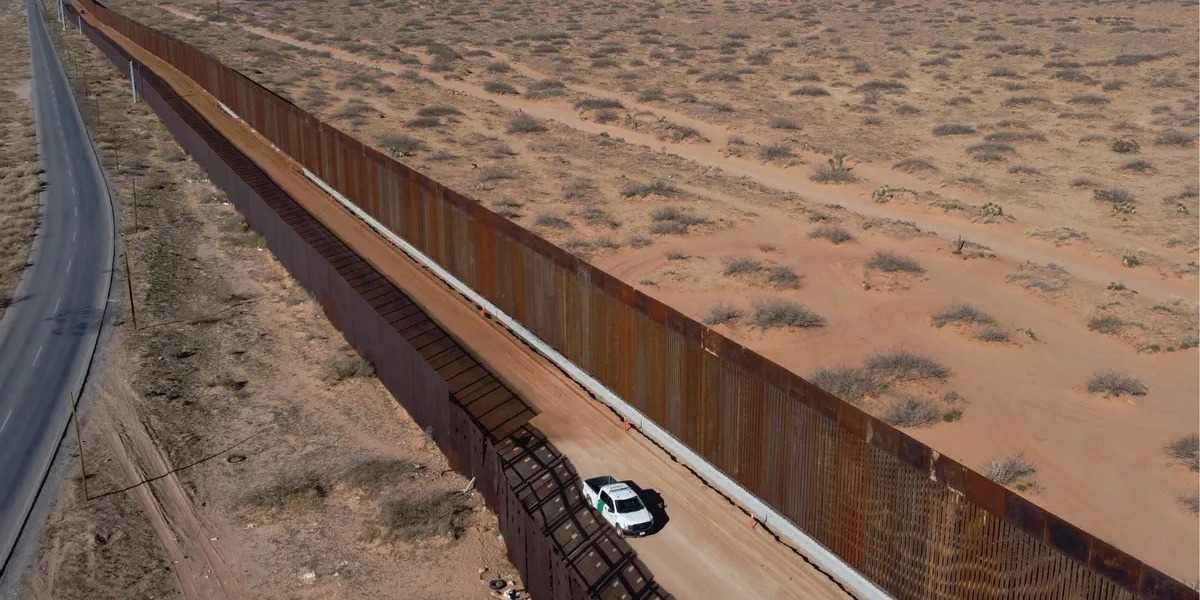
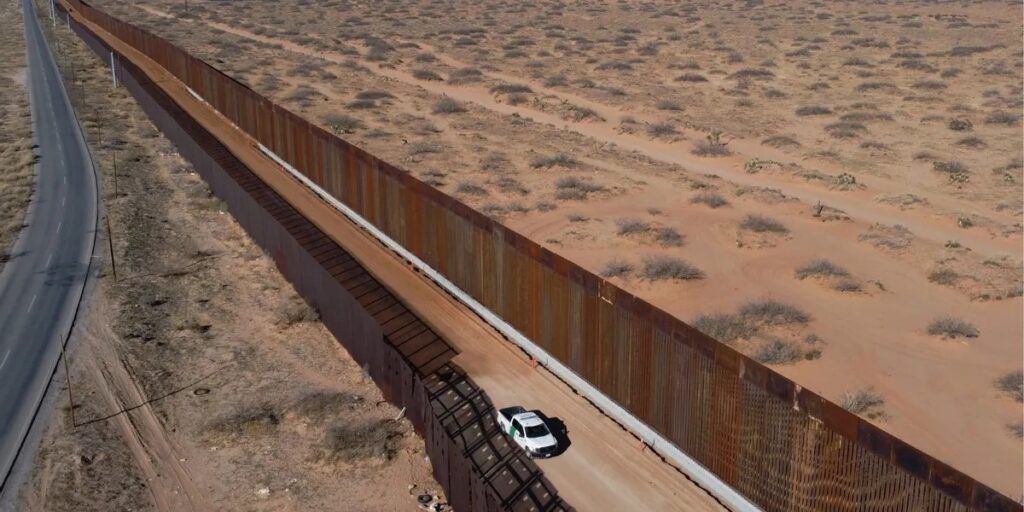
The controversy was ignited by a directive issued on October 2, 2026, by Homeland Security Secretary Markwayne Mullin. The directive, published in the Federal Register, explicitly stated that it was necessary to waive certain laws and regulations to ensure the “expeditious construction of barriers and roads” in the El Paso Sector, which encompasses the entirety of New Mexico. The inclusion of the New Mexico Water Code in this waiver led to widespread public concern that the federal government was unilaterally seizing control of state water resources.
The Details & Investigation
Our investigation confirms that the DHS did indeed issue a waiver that included the New Mexico Water Code. This action was taken under the authority of the Illegal Immigration Reform and Immigrant Responsibility Act of 1996. The federal government justified this move by citing the El Paso Sector as an area of high illegal entry, arguing that water is a critical resource for road construction, concrete production, and dust suppression required for the border wall project.
However, the characterization of this waiver as a total removal of state ownership is a matter of intense legal contention. Nathaniel Chakeres, general counsel at the New Mexico Office of the State Engineer, has publicly labeled the federal government’s actions as “unconstitutional.” During a presentation to the New Mexico Courts, Corrections and Justice Committee, Chakeres emphasized that under the state constitution, water is owned by the public and managed by the state, a principle he argues the federal government is obligated to respect. Reports from the Office of the State Engineer further highlighted that federal contractors had been operating illegal wells, some of which posed significant environmental risks, including potential groundwater contamination from construction chemicals.
This situation constitutes a blend of MISINFORMATION and DISINFORMATION. While the claim that a waiver was issued is factually accurate, the narrative that the federal government has successfully and legally “removed” the state’s ownership of water is a misleading interpretation of a complex legal standoff. The federal government’s use of the waiver to bypass state permitting processes is a deliberate exercise of federal power, which critics and state officials argue is an overreach. The confusion is exacerbated by the federal government’s inconsistent communication; while CBP officials claimed to be coordinating with the state and pausing new well installations, state officials maintain that the federal government continues to pump from unauthorized wells without regard for state law.
The conflict is rooted in a long-standing battle that escalated in June 2026, when the federal government attempted to seize land from a Roman Catholic diocese. Subsequent reports of unmonitored tapping of border aquifers and the threat of license revocation for contractors underscore the severity of the dispute. The federal waiver serves as a legal shield for the government to continue operations despite these ongoing lawsuits and environmental safety concerns.
The Verdict
The claim that the DHS waived New Mexico water laws is TRUE. The directive published in the Federal Register explicitly includes the New Mexico Water Code in its list of waived legal requirements. However, the implication that this waiver permanently or legally transfers “ownership” of the water from the state to the federal government is MISLEADING.
The waiver represents a federal attempt to bypass state regulatory oversight, but it does not resolve the underlying constitutional questions regarding state sovereignty over natural resources. The situation remains a volatile legal conflict rather than a settled transfer of property rights. Therefore, while the existence of the waiver is verified, the broader claims regarding the total loss of state authority are currently being challenged in court and remain a subject of intense legal debate.
Counter-misinformation & disinformation investigation conducted by PolicyWire Editorial Desk (PW).