


Trump Surprises Ukraine Envoys with Russia Diesel Deal After Offering Security Guarantees
Donald Trump blindsides Ukraine peace envoys by lifting sanctions on Russian diesel exports, sparking intense European criticism and stalled negotiations.

POLICY WIRE — Miami, United States — The United States offered Ukraine enhanced post-war security guarantees just before Donald Trump disrupted peace negotiations by agreeing to lift sanctions on Russian diesel exports, according to recent reports.
Ukrainian President Volodymyr Zelensky has consistently emphasized the necessity of strong security assurances in any finalized agreement with Vladimir Putin. These demands follow mounting concerns that Moscow is already disregarding a presumed energy ceasefire previously announced by Trump.
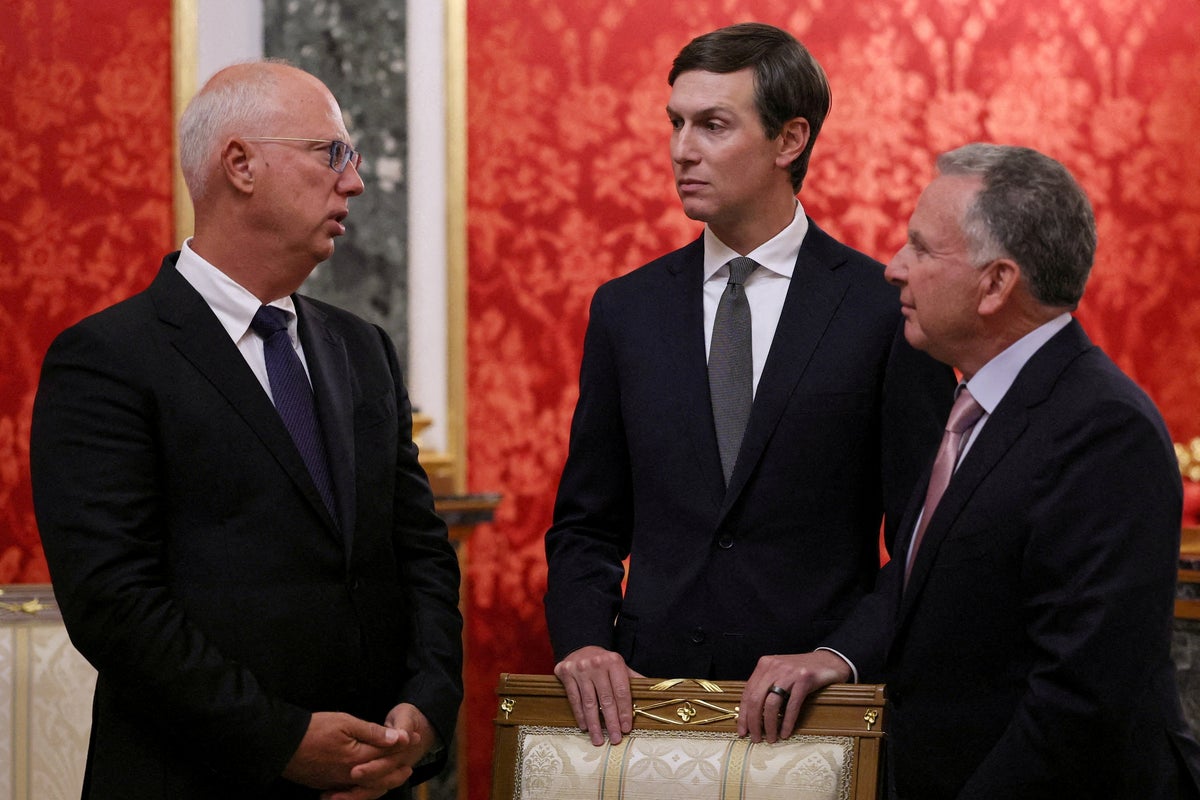
During six-hour discussions held in Miami last weekend, special envoys Steve Witkoff and Jared Kushner indicated that the president was prepared to bolster protections for Ukraine as a component of a revised peace framework.
Although the upgraded guarantees lacked explicit details, the proposal reportedly went beyond initial suggestions involving patrol jets for Ukrainian airspace and satellite intelligence support.
According to an internal source, the negotiations were progressing favorably and Ukrainian representatives felt comfortable with the dialogue, despite expectations that Zelensky might ultimately be forced to surrender territory.
However, the momentum stalled when Trump agreed to permit Putin to resume diesel exports to the United States and international markets amid escalating worldwide fuel prices.
Top European Union official Bjorn Seibert, who participated in the Miami meetings, noted that the diesel pact stunned attendees. Sources close to the discussions confirmed that participants were left surprised by the sudden pivot.
The envoys reportedly explained to the Ukrainian delegation that Putin was not yet prepared for substantive talks. They claimed the Russian diesel purchase was intended to soften Putin by demonstrating the economic advantages of ending the conflict and reintegrating Russia into the global economy.
A European diplomat dismissed the strategy bluntly, leading all three factions to conclude the meeting without reaching a formal consensus.
On Friday, Trump officially announced an arrangement with Putin permitting Moscow to supply diesel to global markets, including an agreement for the United States to import 300,000 tons of the fuel.
The move drew immediate backlash from European leaders. EU top diplomat Kaja Kallas reminded Washington that Russia initiated the conflict and urged officials not to lose sight of that reality.
Zelensky stated he doubted the deliveries would create a significant impact, adding that various rationales likely drove the decision. The Ukrainian leader confirmed that Kyiv received no advance warning regarding the announcement, stating they learned about the agreement through the media.
Questioning the logic behind the move, Zelensky suggested that America should instead establish a similar arrangement with Kyiv, asking why the United States could not pursue a diesel deal with Ukraine instead.
In response, Trump criticized Europe for perceived hypocrisy, pointing out that European nations continued purchasing Russian fuel even after the outbreak of the war.
Data from a tracker maintained by the Centre for Research on Energy and Clean Air indicates that the European Union has funneled approximately €238.6 billion to Russia for fossil fuels since February 24, 2022, though imports have dropped steeply since 2023.
Reporting by Policy-Wire (PW)