


POLICY WIRE FACT CHECK: Viral Claims About Lab
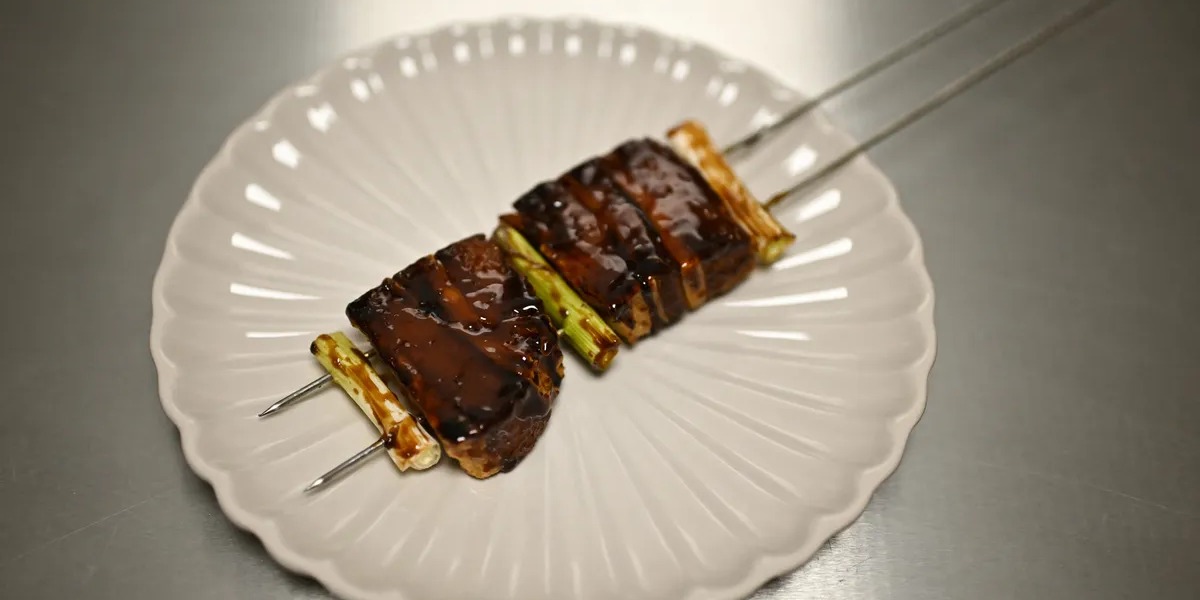
The Claim In September and October 2026, a wave of viral claims circulated online suggesting that a new company had begun selling 3D-printed meat in American grocery stores. These rumors were widely...

The Claim
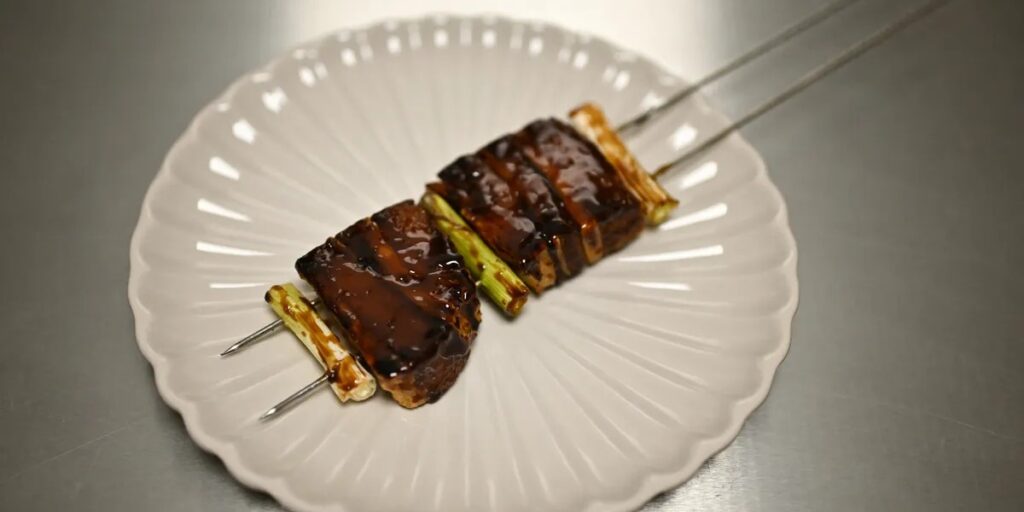
In September and October 2026, a wave of viral claims circulated online suggesting that a new company had begun selling 3D-printed meat in American grocery stores. These rumors were widely shared on social media platforms and prompted numerous inquiries to Snopes, a well-known fact-checking website. The specific claim centered around the availability of lab-grown or bioengineered meat products in mainstream retail environments, with some versions of the rumor even naming specific companies and locations.
These claims were not isolated; they were part of a broader trend of misinformation and disinformation surrounding lab-grown and genetically modified (GM) foods. Some posts falsely associated these products with extreme dietary concerns, while others linked them to high-profile figures such as Bill Gates, suggesting he had funded initiatives to create ‘biologically modified’ crops. Additionally, there were reports claiming that major food corporations like Campbell’s Soup were using ‘bioengineered meat’ or ‘3-D printed chicken’ in their products, further fueling public confusion.
The Details & Investigation
Snopes conducted a detailed review of multiple viral claims related to lab-grown and genetically modified foods, drawing from its archives dating back to 2024. One of the most frequently cited claims was that a Dutch factory was 3D-printing meat from stem cells, which originated from a post on a social media platform in March 2024. However, upon closer examination, it became clear that this was an overstatement of what was actually being developed at the time. While research into 3D-printed meat was ongoing, no commercial product had reached the U.S. market by 2026.
A separate claim suggested that a Bill Gates-backed company had created lab-made butter. This originated from an article published in August 2025, which reported on a startup working on plant-based dairy alternatives. However, the article did not confirm that the product was available for sale in the U.S., nor did it indicate that it was being sold in grocery stores. Similarly, another claim alleged that Campbell’s Soup was using ‘bioengineered meat’ or ‘3-D printed chicken,’ but no credible evidence supported this assertion. Snopes found no official documentation or press releases from the company confirming such usage.
Another viral claim, which gained traction in October 2026, stated that U.S. stores were now selling 3D-printed meat. This was based on a misinterpretation of early-stage pilot programs and limited test distributions. While some companies were experimenting with lab-grown meat, these efforts were still in the research and development phase, not commercial distribution. Moreover, the claim that Bill Gates had donated $50 million to create ‘biologically modified’ crops was also debunked. While Gates has indeed invested in agricultural innovation, there is no verified record of such a specific donation tied to ‘biologically modified’ crops.
Throughout these investigations, it became evident that many of the claims were either exaggerated or taken out of context. Some were based on outdated information, while others were the result of deliberate attempts to spread fear or distrust around new food technologies. For example, the association of lab-grown foods with raw milk or extreme diets was not supported by any scientific or regulatory data. These claims were often amplified by individuals or groups with pre-existing biases against biotechnology and artificial food production.
The Verdict
After a thorough review of the available evidence, the viral claims about lab-grown and genetically modified foods are largely classified as FALSE or MISLEADING. None of the claims about 3D-printed meat being sold in U.S. grocery stores have been substantiated, and the specific allegations about Campbell’s Soup and Bill Gates lack credible support. While lab-grown and genetically modified foods are being researched and developed, they are not yet commercially available in the way described in the viral posts.
Some of the claims may fall under the category of MISINFORMATION, as they appear to be based on misunderstandings or misinterpretations of ongoing research. However, the deliberate use of names like Bill Gates and the association with extreme dietary ideologies suggest elements of DISINFORMATION, particularly when these claims are used to incite fear or distrust. , the evidence does not support the assertions made in the viral content, and readers should rely on verified sources such as government agencies, peer-reviewed studies, and reputable news outlets for accurate information about food technology developments.
Counter-misinformation & disinformation investigation conducted by PolicyWire Editorial Desk (PW).